
Latex Allergy in Veterinary Clinics: Staff Safety and Glove Selection
This article explores the composition of nitrile gloves, clarifying whether they contain latex and detailing the implications for veterinary clinics. We discuss allergy management, the benefits of biodegradable nitrile gloves, and the specific applications for sterile latex surgical gloves.
This article explores the composition of nitrile gloves, clarifying whether they contain latex and detailing the implications for veterinary clinics. We discuss allergy management, the benefits of biodegradable nitrile gloves, and the specific applications for sterile latex surgical gloves.
VetFlex Team
Veterinary Equipment Specialists
Latex allergy is a live occupational risk in veterinary practice. Staff handle gloves dozens of times a day, and repeated exposure to natural rubber latex proteins is the single largest driver of sensitisation in clinical settings. This guide covers how latex reactions develop, what the two allergy types look like on the floor, what OSHA expects of employers, and how glove selection reduces both clinical and financial exposure.
Latex allergies can manifest in various ways, from mild skin irritation to severe anaphylactic reactions. For this reason, many facilities, including veterinary hospitals, human healthcare providers, dental offices, EMT services, and law enforcement agencies, have transitioned to latex-free alternatives like nitrile. This article will delve into the specifics of nitrile gloves, their benefits, and how they compare to other glove types, particularly in the context of veterinary practice and broader healthcare applications.
Nitrile Gloves: A Latex-Free Solution
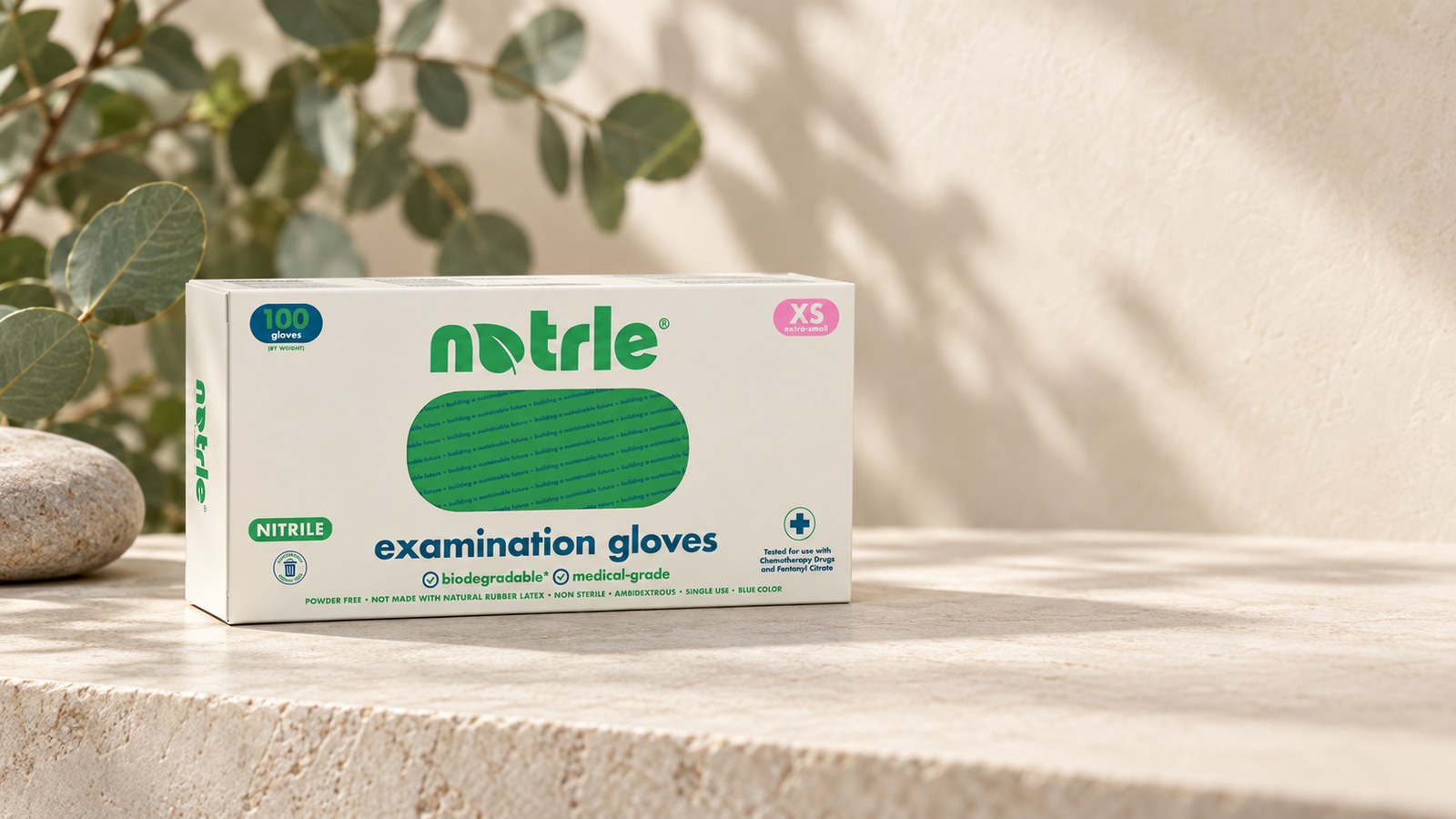
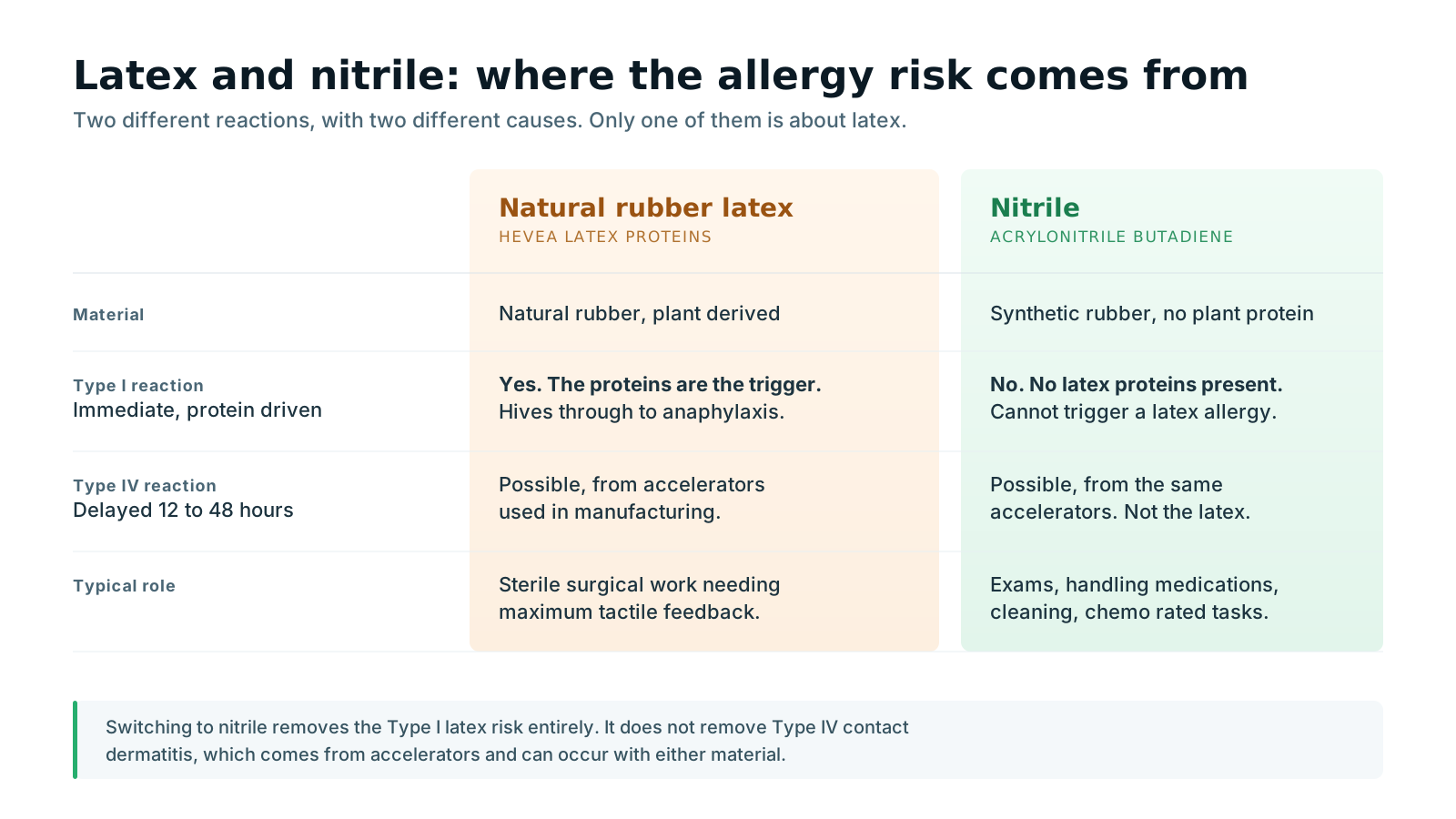
Nitrile gloves are manufactured from acrylonitrile butadiene rubber, a synthetic polymer. This material offers excellent puncture resistance, chemical resistance, and a comfortable fit, making them a popular choice for a wide range of applications. Unlike natural rubber latex, nitrile does not contain the proteins responsible for Type I hypersensitivity (immediate allergic reactions) to latex. This makes nitrile exam gloves an indispensable tool for preventing allergic reactions in both staff and patients.
Beyond their latex-free nature, modern nitrile gloves offer additional advantages. Many are now available as biodegradable nitrile gloves, incorporating technologies like EcoDegra to allow for accelerated degradation in biologically active landfills. This addresses environmental concerns associated with single-use personal protective equipment (PPE), making them an eco friendly medical glove option. When considering your clinic's needs, exploring options for bulk nitrile gloves can also lead to significant cost savings and ensure a consistent supply.
Type I vs. Type IV Latex Allergies: Understanding the Differences
Understanding the different types of latex allergies is crucial for effective management. Type I latex allergy is an immediate hypersensitivity reaction caused by proteins in natural rubber latex. Symptoms can range from hives, itching, and swelling to more severe reactions like asthma, gastrointestinal issues, and anaphylaxis. This type of allergy is a significant concern in medical settings, necessitating the widespread adoption of latex-free alternatives like nitrile exam gloves.
Type IV latex allergy, also known as allergic contact dermatitis, is a delayed hypersensitivity reaction. It is typically caused by chemical additives used in the manufacturing of rubber products, including both latex and some synthetic gloves. Symptoms usually appear 12-48 hours after exposure and include skin redness, itching, blisters, and eczema. While nitrile gloves are free of latex proteins, some individuals may still react to accelerators or other chemicals used in their production. However, many manufacturers now offer 'accelerator-free' nitrile options to mitigate this risk. For more information on selecting the right gloves, consult our [Natrle Exam Gloves Buying Guide](/spec-sheets/natrle-exam-gloves).
When to Use Sterile Latex Surgical Gloves vs. Nitrile Exam Gloves
While nitrile exam gloves are suitable for most routine veterinary procedures, there are specific instances where sterile latex surgical gloves are preferred or required. Sterile latex surgical gloves offer superior tactile sensitivity and elasticity, which can be critical for delicate surgical procedures where precision is paramount. These gloves are made from natural rubber latex and are sterilized to prevent infection during invasive procedures. It is important to remember that sterile latex surgical gloves are NOT biodegradable and should be disposed of according to medical waste protocols. They are also typically powder-free surgical gloves to minimize the risk of powder-related complications in the surgical field.
Conversely, nitrile exam gloves are ideal for general examinations, non-surgical procedures, cleaning, and handling medications. Their robust chemical resistance makes them suitable for tasks involving various veterinary pharmaceuticals and disinfectants. Many nitrile exam gloves are also chemo tested gloves, meaning they have been tested against specific chemotherapy drugs according to ASTM D6978, providing an additional layer of protection for staff handling these potent agents. They also offer protection against fentanyl exposure, a critical consideration for law enforcement and emergency medical personnel.
OSHA Requirements and Workplace Safety
The Occupational Safety and Health Administration (OSHA) provides guidelines to protect workers from exposure to bloodborne pathogens and other hazards. While OSHA does not explicitly mandate latex-free workplaces, it strongly recommends minimizing exposure to latex for employees with known sensitivities. This often translates to facilities adopting latex-free policies, especially for gloves. Providing appropriate PPE, including nitrile exam gloves, is a key component of an effective infection control program in any healthcare setting. This also extends to ensuring proper training on glove selection and removal to prevent cross-contamination. For insights on optimizing glove usage, read our article on [200 vs 100 Count Nitrile Gloves](/200-vs-100-count-gloves).
Cost of Latex Reactions: Why Prevention Pays
While the initial cost of nitrile exam gloves might sometimes be perceived as higher than traditional latex, the long-term financial and human costs associated with latex allergies far outweigh any marginal price difference. Preventing latex reactions in staff and patients avoids significant expenses related to workers' compensation claims, medical treatment for allergic reactions, and potential liability lawsuits. Staff downtime due to allergic reactions can also disrupt clinic operations, leading to decreased productivity and increased scheduling challenges. Investing in high-quality, latex-free options like biodegradable nitrile gloves is a proactive measure that safeguards both personnel well-being and the clinic's financial health. Furthermore, purchasing bulk nitrile gloves can significantly reduce per-unit costs, making them a more economical choice in the long run. Learn how [Vet Clinics Reduce Costs with Bulk Glove Orders](/200-vs-100-count-gloves).
Common Myths About Nitrile Gloves
Did You Know?
Fun veterinary facts
Myth: Nitrile gloves are less tactile than latex. Fact: Modern manufacturing has significantly improved nitrile's tactile sensitivity, making it comparable to latex for many tasks.
Conclusion
Latex allergy management is a staffing and safety programme, not a purchasing footnote. Identify sensitised team members early, document exposure controls, match glove material to the task, and keep a latex free option available for every routine procedure. Practices that plan for this avoid reaction incidents, lost shifts, and the disruption that follows an unexpected reaction during a procedure.
Download Product Specifications
Get Natrle Glove Pricing & Samples
Fill out the form below and our team will reach out within 24 hours.
Related Decision Guides
200 Count vs 100 Count Gloves
Compare cost per glove, waste reduction, and workflow efficiency.
Read GuideICU Oxygen Cage Buying Guide
Compare features, costs, and choose the right system for your practice.
Read GuideOxygen Concentrator vs Tank vs Central
Compare oxygen delivery systems for your clinic's size and budget.
Read GuideSustainable Exam Gloves


How did you find this article?
Was this article helpful?
Your feedback helps us understand what content matters most to you.
Related Clinical Insights
What You'll Learn
- Nitrile Gloves: A Latex-Free Solution
- Type I vs. Type IV Latex Allergies: Understanding the Differences
- When to Use Sterile Latex Surgical Gloves vs. Nitrile Exam Gloves
- OSHA Requirements and Workplace Safety