
Veterinary Oxygen Therapy Resource Hub
Oxygen therapy is a cornerstone of veterinary critical care. Whether managing post-surgical recovery, respiratory distress, or chronic conditions, understanding oxygen delivery systems and best practices helps veterinary teams provide better patient outcomes.
Oxygen concentrators produce oxygen from ambient air on demand, while tanks store a finite supply that needs refilling or exchange. Concentrators suit clinics seeking a standalone supply or backup for central oxygen; tanks remain useful for mobile work and power outage backup. Compare flow requirements, patient volume, space and operating costs before choosing a source.
Last reviewed by VetFlex Clinical Education Team: March 13, 2026
Key Topics Covered
Compare delivery methods, flow rates, and cost considerations
Creating controlled FiO2 environments for respiratory patients
Understanding AERAFLOW and modern CO2 management
Specialized protocols for flat-faced breeds
Evidence-based recovery oxygen protocols
Essential Reading
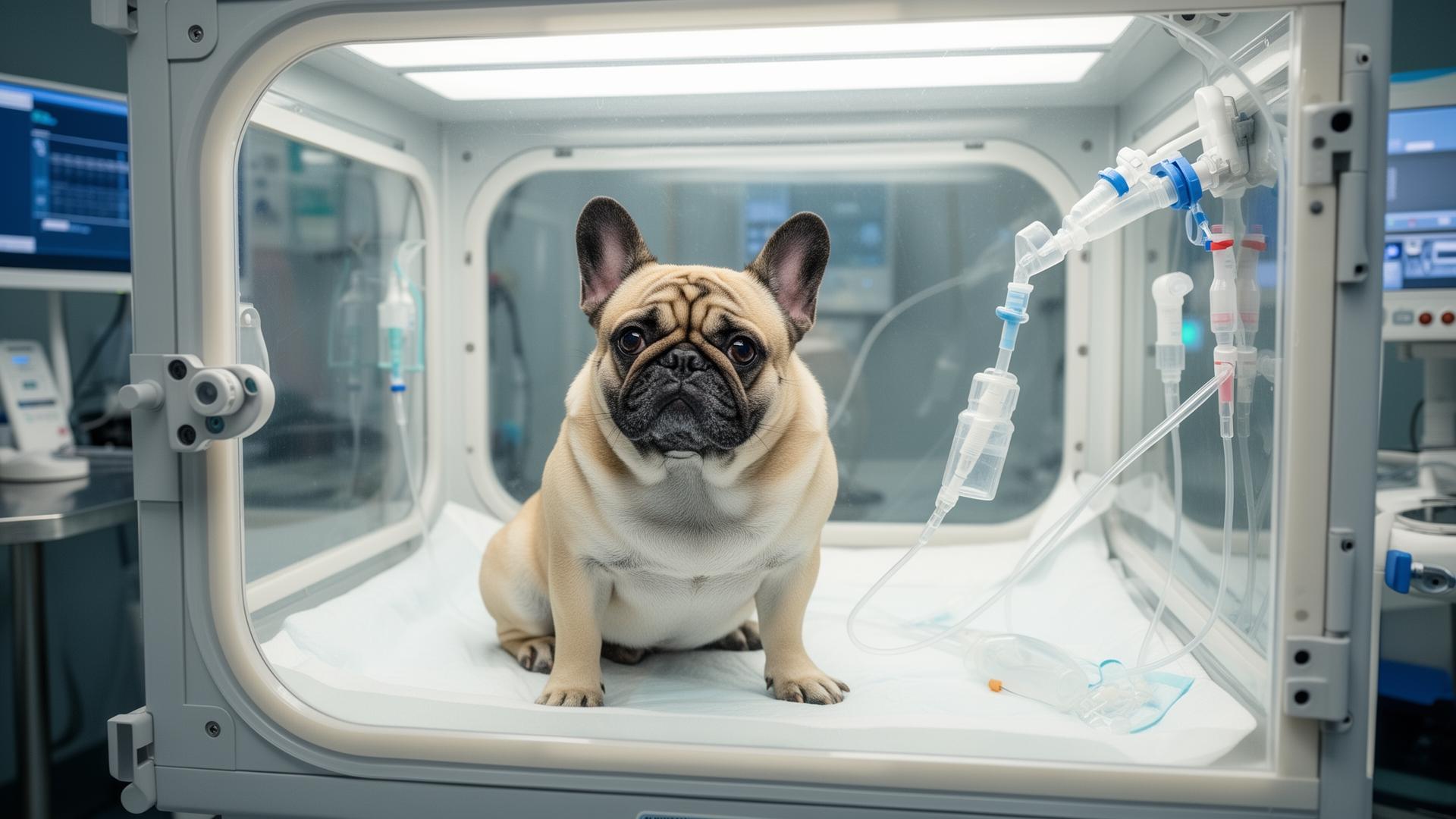
Clinical Best Practices
Protocols and workflow optimization

Why Soda Lime-Free Oxygen Cages Are the Future of Veterinary Care
Veterinary medicine is advancing rapidly, with an emphasis on technologies that enhance patient outcomes while reducing operational challenges. One of the most transformative innovations is the soda lime-free oxygen cage system.
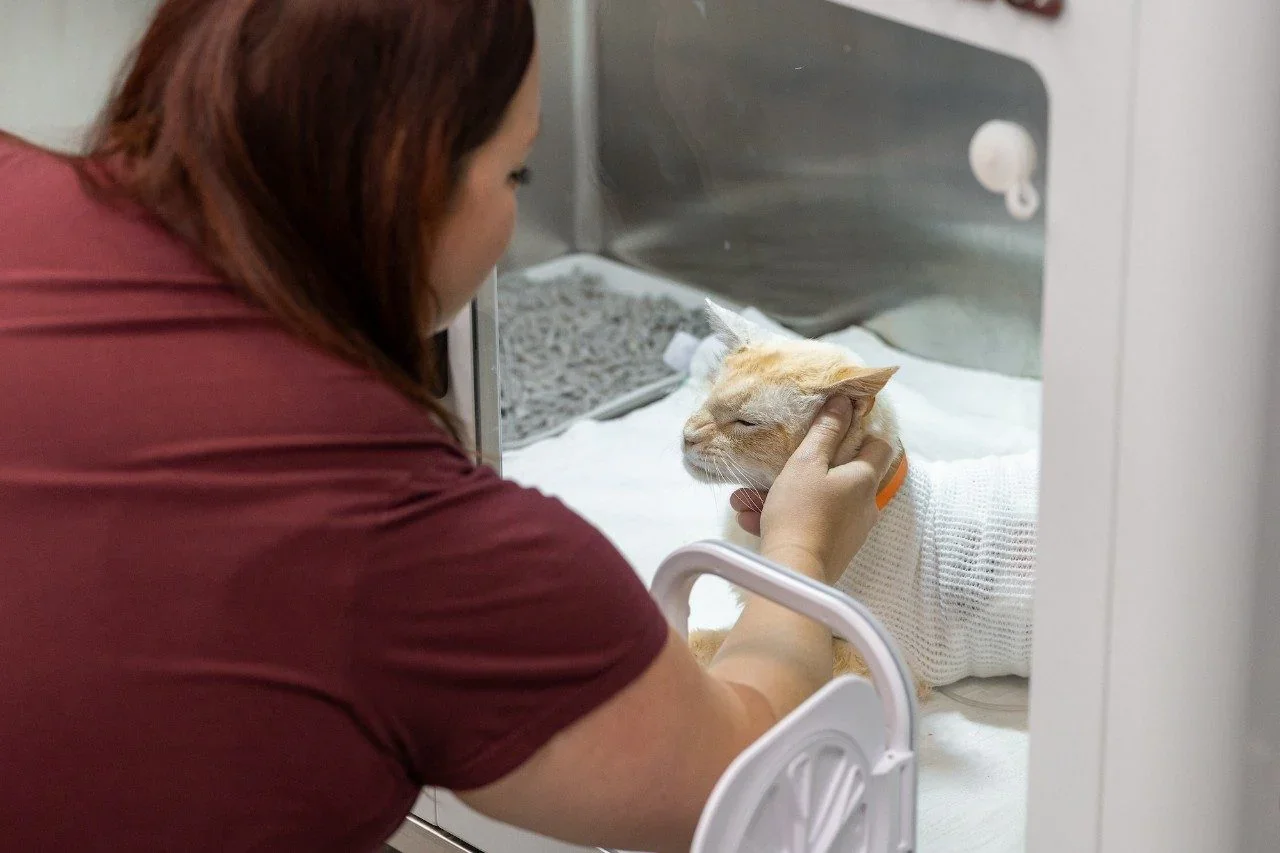
How Virginia Tech Is Using VetFlex Oxygen Cage Technology to Transform Veterinary Oxygen Care
Virginia-Maryland College of Veterinary Medicine at Virginia Tech has officially installed the VetFlex ICU oxygen cage system in their state-of-the-art Veterinary Teaching Hospital, marking a huge step forward for animal health.
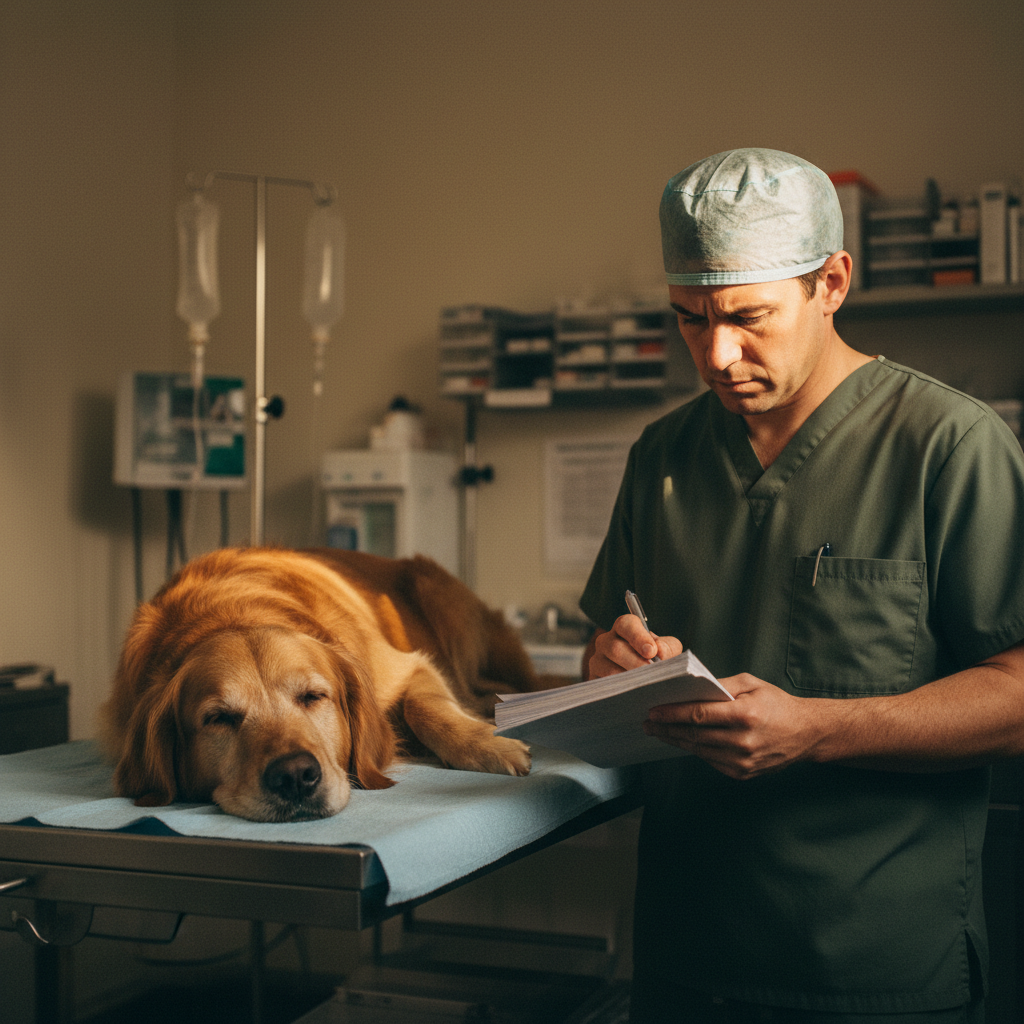
Anesthetic Monitoring in Veterinary Practice: Protocols That Reduce Complications
A clinical guide to veterinary anesthetic monitoring covering cardiovascular, respiratory, oxygenation, temperature, and depth assessment protocols that reduce complications and improve patient outcomes.
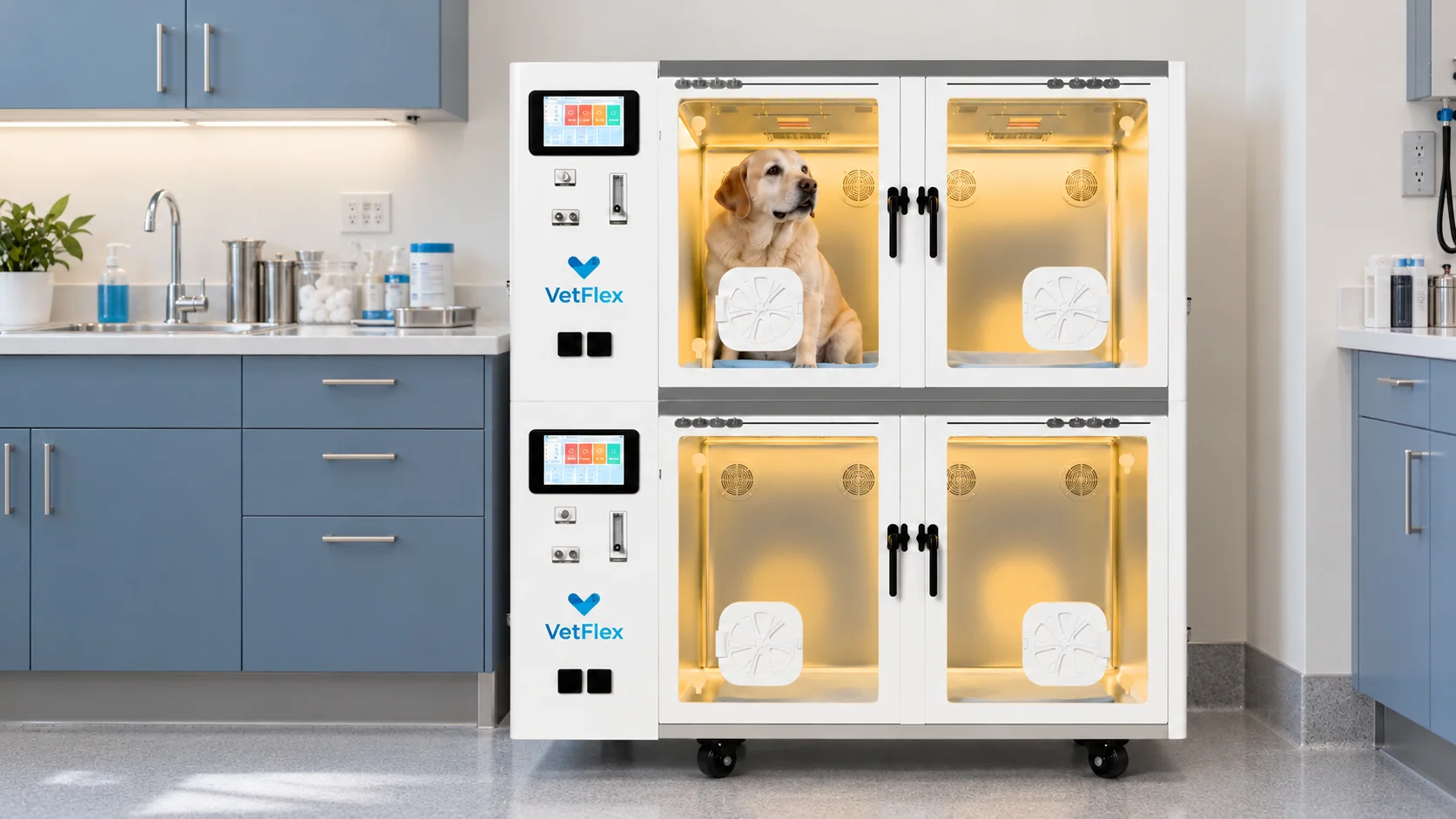
Oxygen Cages for Dogs: When to Use One, What to Set and How to Monitor
A clinical guide for veterinary teams: when a dog needs an oxygen cage, what oxygen, temperature and humidity to set, how to monitor, and how to wean a dog back to room air.