
Brachycephalic Dogs and Oxygen Cages: Supporting Flat-Faced Breeds in Respiratory Distress
A clinical guide to managing brachycephalic respiratory emergencies with veterinary oxygen cages, covering BOAS pathophysiology, treatment protocols, and ICU equipment selection.
VetFlex Editorial Team
Veterinary Equipment Specialists
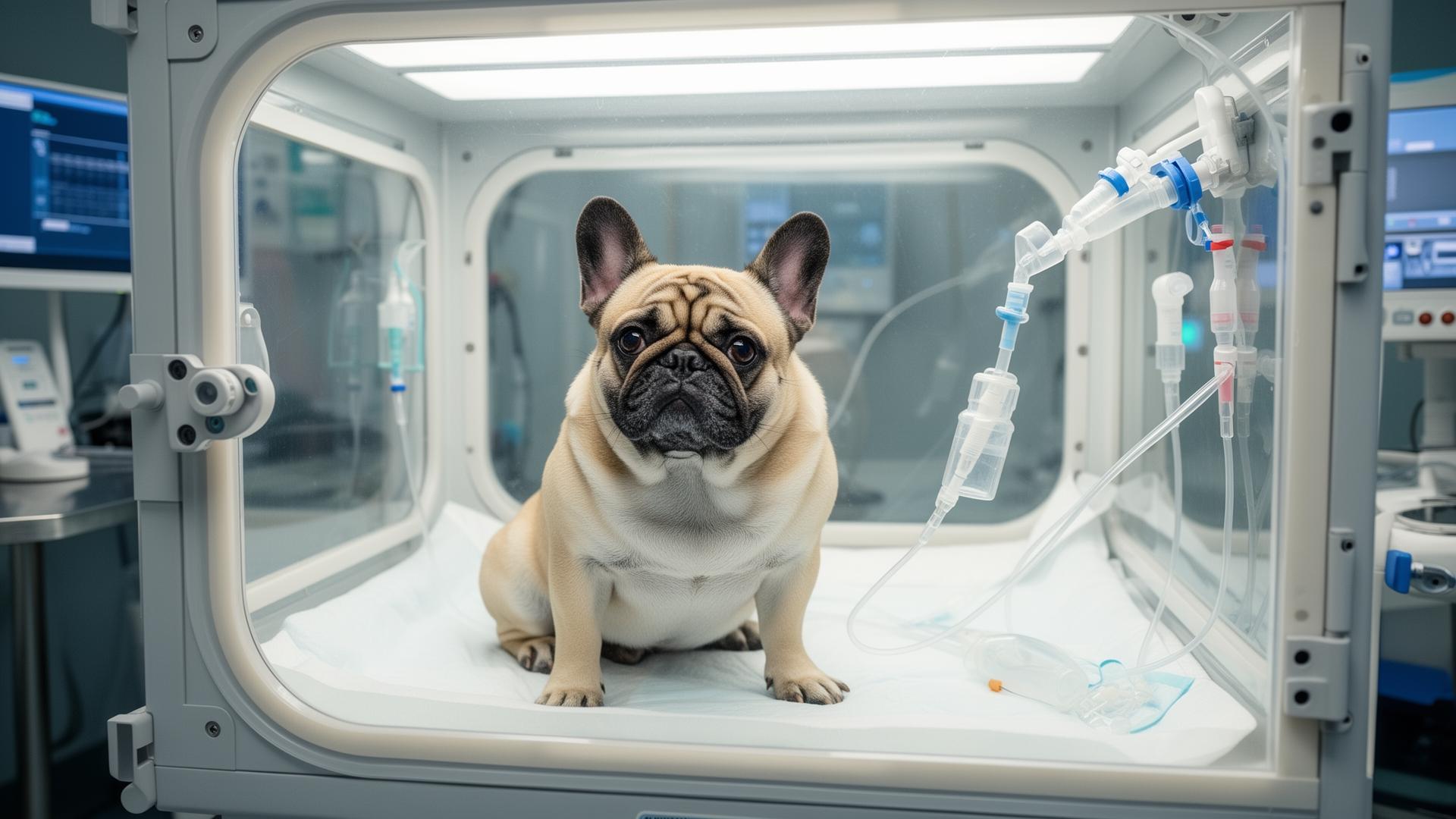
French Bulldogs are the most popular dog breed in America. They are also the breed most likely to present with a respiratory emergency. Over 50% of brachycephalic dogs are affected by Brachycephalic Obstructive Airway Syndrome (BOAS), and when these patients decompensate, they decompensate fast. A stressed bulldog in respiratory distress will fight a face mask, resist nasal cannulation, and deteriorate further with physical restraint. A properly equipped oxygen cage is often the only intervention that delivers oxygen without escalating the crisis.
VetFlex ICU systems deliver precise oxygen therapy with temperature and humidity control for heat-sensitive brachycephalic patients.
View ICU SystemsWhy Brachycephalic Cases Demand Specialized Equipment
Brachycephalic anatomy creates a perfect storm of respiratory compromise: stenotic nares restrict airflow, elongated soft palates obstruct the pharynx, and hypoplastic tracheas limit gas exchange. Add heat sensitivity, stress-induced laryngeal edema, and the tendency for these patients to panic during restraint, and the clinical challenge becomes clear. Standard oxygen delivery methods that work for other breeds often fail or worsen outcomes in flat-faced patients.
Why Clinics with Brachycephalic Caseloads Are Upgrading Oxygen Delivery
- Face masks and nasal cannulas cause stress and resistance in flat-faced breeds, worsening respiratory distress
- Brachycephalic patients are heat-sensitive; oxygen cages with active cooling prevent hyperthermia-triggered crises
- CO2 buildup in basic enclosures without real-time monitoring creates secondary respiratory compromise
- Quiet operation reduces the stress response that triggers laryngeal edema and further airway obstruction
- Post-surgical BOAS patients require extended, hands-free oxygen therapy during recovery
Core Education: Understanding BOAS and Oxygen Therapy
BOAS is a progressive condition caused by the combination of narrowed nostrils, elongated soft palate, everted laryngeal saccules, and a hypoplastic trachea. Symptoms range from chronic snoring and exercise intolerance to acute respiratory collapse. Triggers include heat, stress, exercise, and sedation. Oxygen therapy in a controlled cage environment addresses the immediate crisis by delivering supplemental oxygen without physical contact, allowing the patient to self-regulate breathing in a temperature-controlled, low-stress environment.
Signs of respiratory distress in brachycephalic dogs: excessive panting, cyanotic (blue) gums, inability to settle, stridor or stertor, and collapse. These patients can decompensate rapidly. Immediate cage-based oxygen therapy is often the first and most important intervention.
What to Look for in an Oxygen Cage for Brachycephalic Patients
Active Cooling
Integrated air conditioning is essential, not optional. Brachycephalic breeds are heat-sensitive and hyperthermia worsens airway obstruction.
Real-Time CO2 Monitoring
CO2 buildup in enclosed spaces creates secondary respiratory compromise. Real-time PPM display is required for safe management.
Whisper-Quiet Operation
Noise levels below 25 dB reduce the stress response that triggers laryngeal edema and further obstruction.
Precise O2 Control
Adjustable flow rates and real-time O2 saturation display allow titration to patient needs.
Humidity Management
Controlled humidity optimizes airway comfort for patients with compromised upper airways.
Hands-Free Access
Access ports for medication and feeding without opening the cage and disrupting the oxygen environment.
VetFlex ICU: Purpose-Built for Brachycephalic Critical Care
VetFlex ICU systems address every clinical requirement for brachycephalic respiratory management. AERAFLOW™ technology eliminates soda lime entirely, managing CO2 through continuous air exchange. This prevents the CO2 buildup that can occur in systems relying on chemical absorption when canisters are depleted or saturated. STERILION™ ion sterilization maintains a pathogen-reduced environment without chemical cleaners that can irritate compromised airways.
- Convection heating and integrated air conditioning maintain 65-95°F (±1°F precision)
- Real-time O2, CO2, temperature, and humidity monitoring on a single display
- Under 25 dB operation reduces patient stress
- Compatible with oxygen concentrators and centralized oxygen systems
- 30-minute backup battery ensures uninterrupted therapy during power outages
- Medical-grade stainless steel withstands aggressive disinfection protocols
Standard Oxygen Cage vs. VetFlex ICU for Brachycephalic Cases
| Feature | Standard Oxygen Cage | VetFlex ICU |
|---|---|---|
| CO2 Management | Soda lime (risk of depletion) | AERAFLOW™ continuous exchange |
| Temperature Control | None or floor heating only | AC + convection heating (65-95°F) |
| CO2 Monitoring | None | Real-time PPM display |
| Noise Level | 40-60 dB | <25 dB |
| Humidity Control | None | 30-80% adjustable |
| Backup Power | None | 30-minute battery |
Compare VetFlex ICU configurations for practices with high brachycephalic caseloads.
Compare ICU OptionsCost and Operational Impact
Brachycephalic emergencies are high-acuity, high-revenue cases. Equipment that stabilizes these patients faster reduces staff time per case, improves outcomes, and supports client confidence. VetFlex ICU systems eliminate $1,500-3,000 in annual soda lime costs per unit while delivering the environmental controls that brachycephalic patients specifically require.
When It Makes Sense to Invest in Brachycephalic-Ready ICU Equipment
- Brachycephalic breeds represent 10% or more of your patient population
- You see brachycephalic respiratory emergencies weekly or more frequently
- Your current oxygen delivery relies on masks, flow-by, or basic cages without environmental controls
- Post-surgical BOAS recovery times are longer than expected due to equipment limitations
- You are located in a warm climate where heat-related brachycephalic emergencies are seasonal spikes
Clinical Use Cases
Emergency Stabilization
Acute respiratory collapse in French Bulldogs, Pugs, and English Bulldogs. Cage-based O2 delivery without restraint.
Post-Surgical BOAS Recovery
Extended, controlled oxygen therapy after soft palate resection, nares widening, or saccule removal.
Heatstroke Management
Active cooling with supplemental oxygen for brachycephalic patients presenting with hyperthermia.
Pre-Anesthetic Stabilization
Pre-oxygenation in a low-stress environment before sedation and intubation.
Frequently Asked Questions
Equip Your Team for the Cases That Are Already Walking Through the Door
Brachycephalic breeds are not a niche population. They are the most popular dog breeds in America, and their respiratory emergencies are among the most time-sensitive cases your team will manage. The right oxygen cage does not just deliver oxygen; it delivers the temperature control, CO2 management, and low-stress environment these patients specifically require.
Talk to our team about equipping your practice for brachycephalic critical care.
Request PricingRelated reading: our veterinary oxygen cage guide, how veterinary oxygen cages work, and how to choose the right oxygen cage.
Download Product Specifications
Get ICU System Pricing & Specifications
Fill out the form below and our team will reach out within 24 hours.
See the ICU in action
Key Takeaways
Related Decision Guides
ICU Oxygen Cage Buying Guide
Compare features, costs, and choose the right system for your practice.
Read GuideSoda Lime vs Soda Lime-Free ICU
Understand the clinical and financial case for eliminating soda lime.
Read GuideBest Veterinary Oxygen Cage
Evaluate features, monitoring, and cost of ownership across systems.
Read GuideHow did you find this article?
Was this article helpful?
Your feedback helps us understand what content matters most to you.
Related Clinical Insights
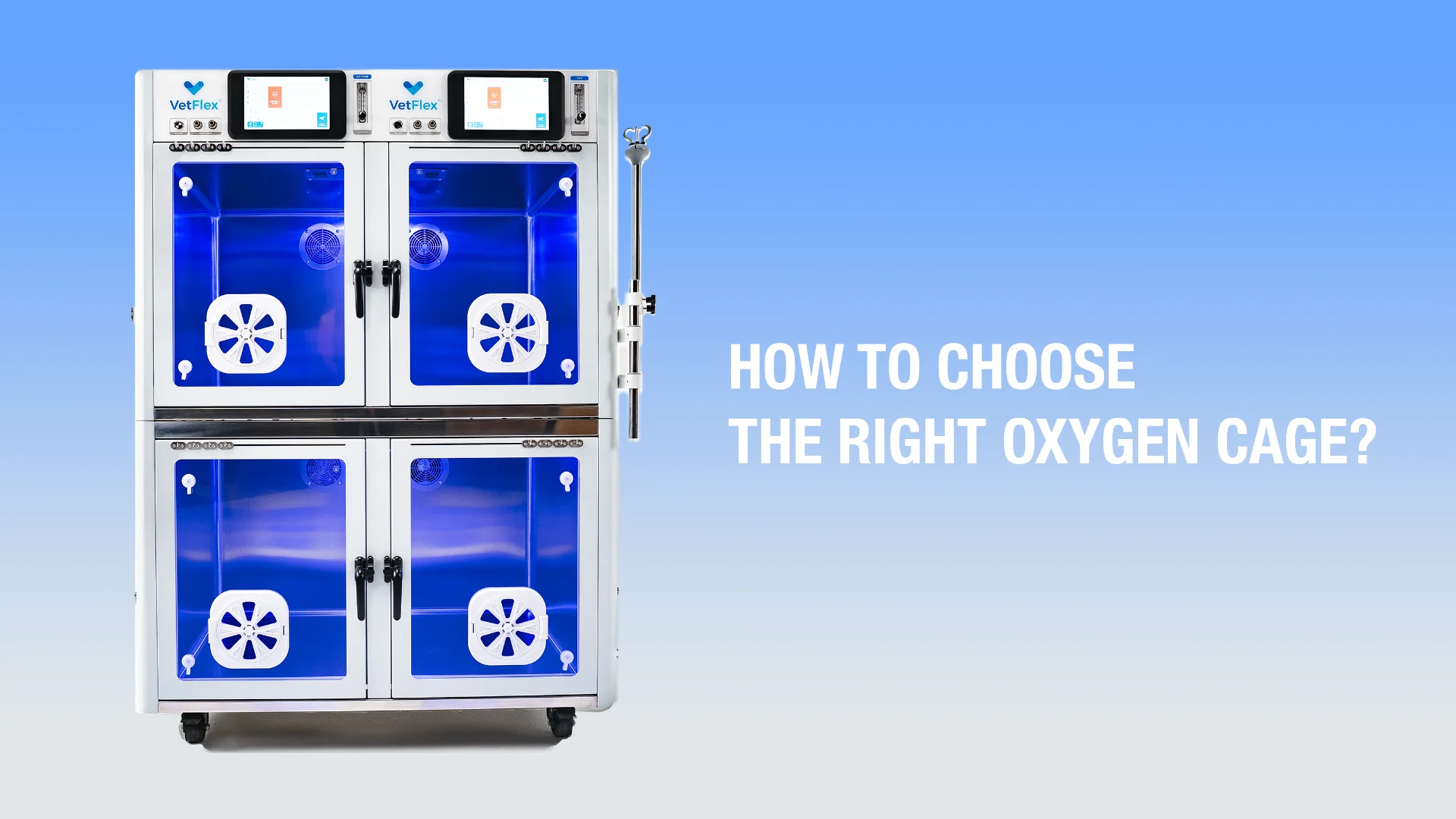
How to Choose the Right Veterinary Oxygen Cage for Your Practice
A practical guide to evaluating veterinary oxygen cages based on monitoring capabilities, environmental controls, durability, and total cost of ownership for clinics of all sizes.

Why Soda Lime-Free Oxygen Cages Are the Future of Veterinary Care
Veterinary medicine is advancing rapidly, with an emphasis on technologies that enhance patient outcomes while reducing operational challenges. One of the most transformative innovations is the soda lime-free oxygen cage system.
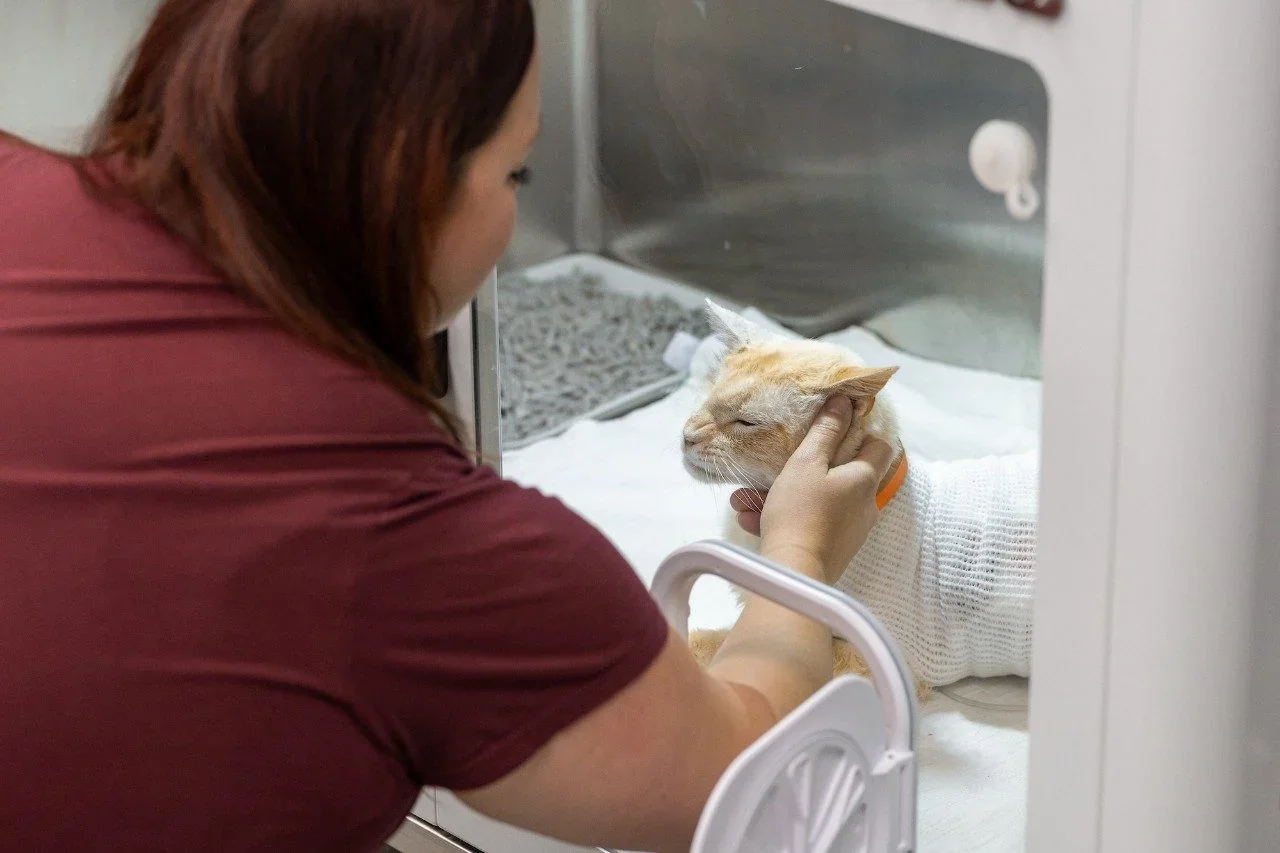
How Virginia Tech Is Using VetFlex Oxygen Cage Technology to Transform Veterinary Oxygen Care
Virginia-Maryland College of Veterinary Medicine at Virginia Tech has officially installed the VetFlex ICU oxygen cage system in their state-of-the-art Veterinary Teaching Hospital, marking a huge step forward for animal health.