
Feline Respiratory Distress Management: A Clinical Guide for Veterinary Teams
For a cat in respiratory distress, even a simple exam can be life-threatening. This guide provides veterinary professionals with actionable strategies for hands-off feline respiratory distress management, focusing on advanced environmental control to improve patient outcomes.
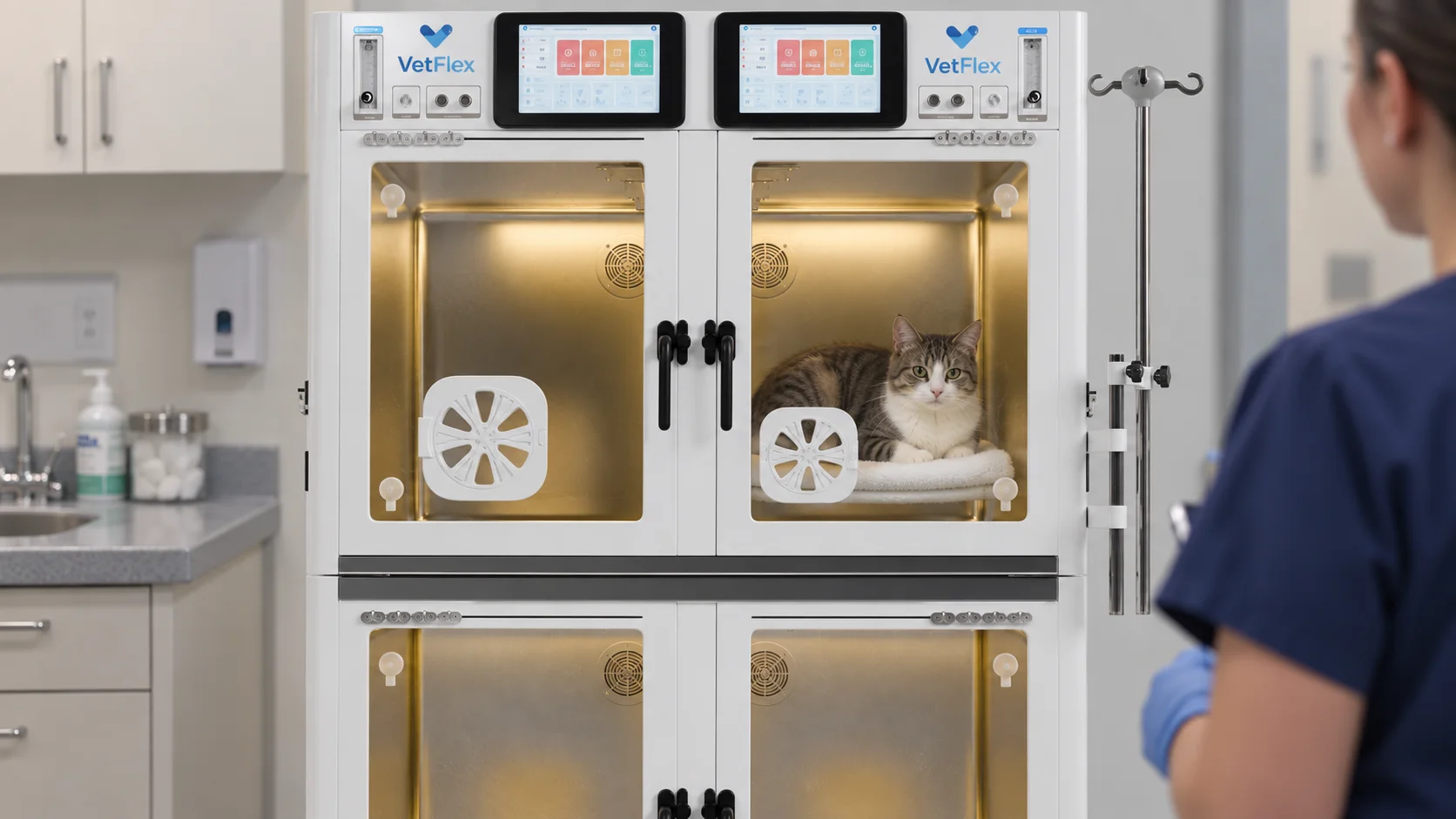
VetFlex Editorial Team
Veterinary Equipment Specialists
For a cat in respiratory distress, even the simplest physical exam can be a life-threatening stressor. The 'touch-to-arrest' window is perilously small for these fragile patients. Effective **feline respiratory distress management** requires a paradigm shift from hands-on intervention to hands-off environmental stabilization. For an overview of the options, see our [veterinary oxygen cage guide](/best-veterinary-oxygen-cage). The initial goals are straightforward but critical: provide supplemental oxygen, reduce stress, and do no harm. Achieving this requires not just clinical acumen but also the right equipment to create a therapeutic, low-stress environment.
Successful management of a dyspneic cat starts with immediate, hands-off oxygenation in a quiet, thermoneutral environment. Utilizing an advanced oxygen cage allows for stabilization without the stress of physical restraint, providing a crucial window for observation and the development of a diagnostic plan.
Feline Respiratory Distress Management: Why Hands-Off Stabilization Matters
Feline patients, particularly when dyspneic, are highly susceptible to stress-induced decompensation. The release of catecholamines during handling can dramatically increase myocardial oxygen demand and respiratory rate, pushing a patient from distress into crisis. A hands-off approach prioritizes patient stability above all else.
This methodology directly impacts clinic workflow and patient safety. By placing the cat directly into a controlled oxygen and temperature environment, the veterinary team can safely observe the patient from a distance. This reduces immediate risk to the patient and allows the clinician time to gather a history, prepare diagnostics, and formulate a plan before any stressful procedures are attempted. This shift is fundamental to modern **cat ICU protocols**.
Create a stable, hands-off environment for your most critical patients.
Explore ICU SystemsHow to Provide Oxygen to a Stressed Cat Without Handling?
The single most effective method for providing stress-free **feline oxygen therapy** is the use of a dedicated oxygen cage or ICU. Unlike masks, hoods, or nasal cannulas that require handling and restraint, an oxygen cage envelops the patient in an oxygen-rich environment. The goal is to achieve a Fraction of Inspired Oxygen (FiO2) that alleviates hypoxia without causing oxygen toxicity, typically starting around 40-60%.
- **Immediate Placement:** Upon arrival, the cat should be moved directly from its carrier into the pre-warmed and pre-oxygenated ICU chamber.
- **Minimal Interaction:** For the initial stabilization period (often 15-30 minutes), all handling should cease. Staff should observe from outside the unit.
- **Quiet Environment:** The ICU should be located in a low-traffic, quiet area of the hospital. Systems with sound-reducing designs, operating under 40 dB, are ideal for minimizing auditory stress.
When brief interaction is necessary for medication or assessment, it should be performed efficiently. Using high-quality, single-dispensing exam gloves, like [Natrle's biodegradable nitrile exam gloves](/natrle), can help ensure readiness and minimize fumble time, contributing to an overall low-stress handling protocol.
What is the Best Temperature for a Cat in Respiratory Distress?
Thermoregulation is a critical, often overlooked component of **veterinary respiratory support**. A dyspneic cat is already expending significant energy on breathing; it cannot afford to divert metabolic resources to shivering or panting. Both hypothermia and hyperthermia can worsen the patient's condition.
The ideal temperature is a neutral thermal environment where the patient does not need to generate or dissipate heat. While this varies slightly by individual, a range of 75°F to 85°F is a common clinical target. However, conditions like fever may necessitate cooler temperatures, while shock may require warmer support. Modern ICUs with precision climate control, capable of maintaining a stable temperature anywhere from 60°F to 99°F, provide the flexibility needed to tailor the environment to the specific patient's needs.
Recognizing Signs of CO2 Buildup in Feline Oxygen Cages
A critical and dangerous complication in closed or poorly ventilated oxygen environments is the accumulation of carbon dioxide. Hypercapnia can occur when a patient's exhaled CO2 is not effectively removed from the chamber. Traditional systems often rely on soda lime granules to chemically absorb CO2, but this method has significant limitations.
Quick Poll
Share your experience!
What matters most when evaluating feline respiratory distress management?
Key signs of CO2 buildup include:
- **Increased Respiratory Effort Despite Oxygen:** The patient's breathing becomes more labored even at high FiO2 levels.
- **Tachypnea or Altered Breathing Pattern:** The respiratory rate may increase or become erratic.
- **Lethargy and Obtundation:** The cat may become progressively drowsy, less responsive, or sedated.
- **Bounding Pulses:** A physical exam finding, if it can be safely performed, may reveal bounding peripheral pulses.
Relying on soda lime requires vigilant monitoring of granule color and frequent, costly replacement. Once saturated, soda lime stops absorbing CO2, creating a dangerous hypercapnic environment for the patient.
Using AERAFLOW™ Technology for Feline Patients
To counter the risks of CO2 accumulation, modern ICU systems have moved away from chemical absorbents. Systems incorporating active ventilation, like VetFlex's AERAFLOW™ technology, utilize a fresh air exchange mechanism. This design continuously flushes the chamber with fresh, oxygenated air while venting out stale air containing CO2. This eliminates the risk of hypercapnia from exhausted consumables and removes the recurring cost and labor associated with soda lime replacement, making it a safer and more efficient approach for **feline respiratory distress management**.
How to Monitor Respiratory Rate in a Closed ICU Environment
Consistent monitoring is key, but it must be done without disturbing the patient. A clear, unobstructed view into the chamber is essential. Staff should be trained to count respiratory rate (breaths per minute) visually by watching the rise and fall of the thorax and abdomen. A stopwatch and a keen eye are the primary tools.
Challenges include condensation on the cage door, poor lighting, and patient positioning. Choosing an ICU with a large, clear viewing panel and internal lighting can significantly aid observation. Furthermore, a quiet-running system is paramount. Excessive noise can agitate the patient, artificially elevating respiratory rate and confounding assessment. Documenting the rate, effort, and character of respirations at regular intervals (e.g., every 15-30 minutes initially) is a cornerstone of effective **cat ICU protocols**.
Ready to improve your ICU protocols? Speak with a clinical specialist about creating a safer critical care environment.
Schedule a ConsultationDecision Framework: Traditional vs. Modern Oxygen Cages
When evaluating **oxygen cages for cats**, the choice often comes down to older, soda lime-based designs versus modern systems with active ventilation. The differences have profound implications for patient safety, staff workload, and long-term operational costs.
| Feature | Traditional Soda Lime-Based Cages | Modern Fresh Air Exchange ICU Systems |
|---|---|---|
| CO2 Management | Passive chemical absorption via soda lime granules | Active ventilation (e.g., AERAFLOW™) continuously flushes CO2 |
| Risk of Hypercapnia | High if soda lime is exhausted or flow rates are inadequate | Virtually eliminated by continuous fresh air exchange |
| Recurring Consumables | Frequent purchase and replacement of soda lime | None; soda lime-free design |
| Staff Workflow | Requires time to monitor, handle, and replace soda lime | Set-and-monitor operation frees up technician time |
| Temperature Control | Often passive or imprecise, prone to overheating | Precise, active heating and cooling to maintain a set point |
| Noise Level | Can be significant, causing patient stress | Engineered for quiet operation (e.g., < 40 dB) |
Did You Know?
The true cost of an ICU includes recurring disposables, and traditional soda lime is a significant hidden expense for many practices.
Cost and Operational Impact of Soda Lime-Free Systems
The initial investment in any piece of capital equipment is only part of its total cost of ownership. Veterinary practices are often burdened by the hidden and recurring expenses of disposables. With traditional oxygen cages, the cost of soda lime is a perpetual operational line item. This includes not only the purchase price of the granules but also the staff time required for monitoring, disposal, and replacement.
Switching to a soda lime-free ICU system transforms this recurring expense into a one-time capital investment. The elimination of soda lime streamlines workflows, freeing up veterinary technicians to focus on direct patient care rather than equipment maintenance. This operational efficiency, combined with the estimated long-term savings from not having to purchase consumables, presents a strong financial justification for upgrading your clinic's **veterinary respiratory support** capabilities. For more detailed information, explore our complete [Guide to Veterinary ICU Systems](/icu-buying-guide).
When It Makes Sense to Switch
Upgrading your ICU technology is a significant decision. It often makes the most sense when a clinic is experiencing specific growth or operational pain points. Key triggers include building out a new hospital or emergency service, seeking to elevate the standard of critical care, growing frustration with the recurring costs and labor of soda lime, or a commitment to improving patient safety protocols, especially for fragile feline patients. If your team consistently faces challenges in providing effective, low-stress **feline oxygen therapy**, it is time to evaluate modern alternatives.
How do you provide oxygen to a stressed cat without handling?
What is the best temperature for a cat in respiratory distress?
What are the signs of CO2 buildup in feline oxygen cages?
How can I monitor respiratory rate accurately in a closed ICU environment?
Are oxygen cages for cats loud?
Ultimately, superior **feline respiratory distress management** hinges on our ability to create a therapeutic bubble where the patient can stabilize with minimal intervention. By prioritizing hands-off oxygenation and leveraging technology that helps maintain a safe, controlled environment and reduces the risks of CO2 buildup, we can give our most fragile patients a calmer, more stable place to recover. You can learn more about the various approaches in our hub for [Veterinary ICU Cage Systems](/blogs/vetflex-vitals/hubs/veterinary-icu-cages), or read [how modern veterinary oxygen cages work](/blogs/vetflex-vitals/how-veterinary-oxygen-cages-work-clinical-settings).
Elevate your standard of care for critical feline patients.
Discover Soda Lime-Free ICU TechnologySchedule a Consultation
Speak with a VetFlex clinical specialist to discuss your practice's specific critical care needs.
Explore ICU Solutions
View detailed specifications for the VetFlex ICU Pro Duo and compatible oxygen concentrators.
Read the Oxygen Delivery Guide
Dive deeper into various oxygen delivery methods for small animal patients.
Next Steps
Schedule a Consultation
Discuss your specific practice needs with a VetFlex specialist. [Book a call](/pages/contact).
Explore ICU Solutions
Review specifications, pricing, and clinical applications. [View details](/icu-solutions).
Read Related Guides
Explore more clinical decision guides in our resource library. [Browse guides](/blogs/vetflex-vitals/hubs/veterinary-icu-cages).
References
- [Providing Supplemental Oxygen to Patients (Today's Veterinary Practice)](https://todaysveterinarypractice.com/respiratory-medicine/providing-supplemental-oxygen-to-patients/)
- [Journal of Veterinary Emergency and Critical Care (JVECC), VECCS](https://www.veccs.org/)
- [Clinical review of high-flow nasal oxygen therapy in veterinary and human patients (PMC)](https://www.ncbi.nlm.nih.gov/pmc/articles/PMC10027015/)
Download Product Specifications
Get ICU System Pricing & Specifications
Fill out the form below and our team will reach out within 24 hours.
Related Decision Guides
ICU Oxygen Cage Buying Guide
Compare features, costs, and choose the right system for your practice.
Read GuideSoda Lime vs Soda Lime-Free ICU
Understand the clinical and financial case for eliminating soda lime.
Read GuideBest Veterinary Oxygen Cage
Evaluate features, monitoring, and cost of ownership across systems.
Read GuideICU & Critical Care Equipment


How did you find this article?
Was this article helpful?
Your feedback helps us understand what content matters most to you.
Related Clinical Insights
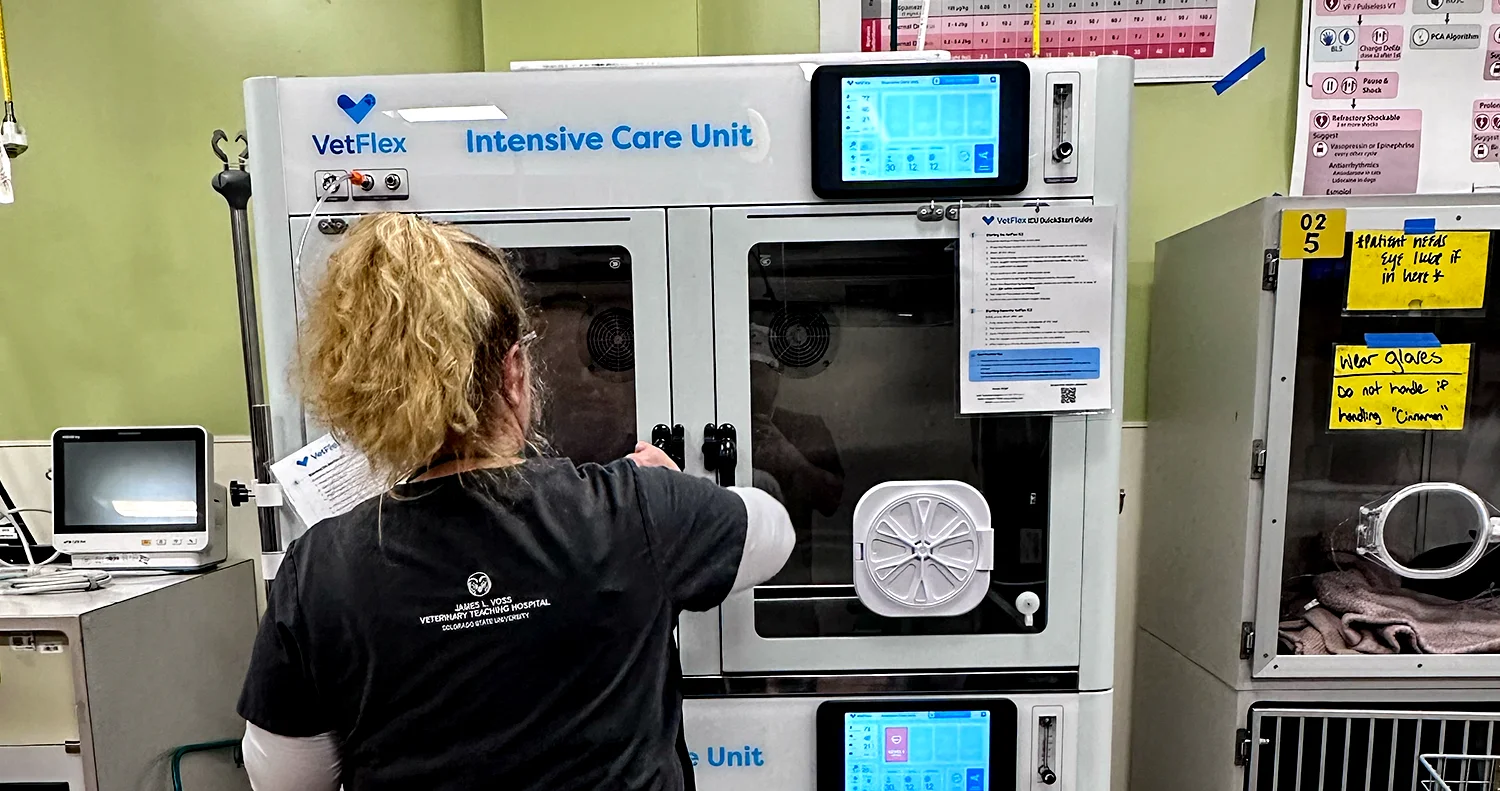
Optimizing the Veterinary ICU: Avoiding Common Setup Mistakes
This article provides a comprehensive guide to avoiding common mistakes in veterinary ICU setup, covering layout, equipment selection, workflow optimization, and staff training for optimal patient outcomes.
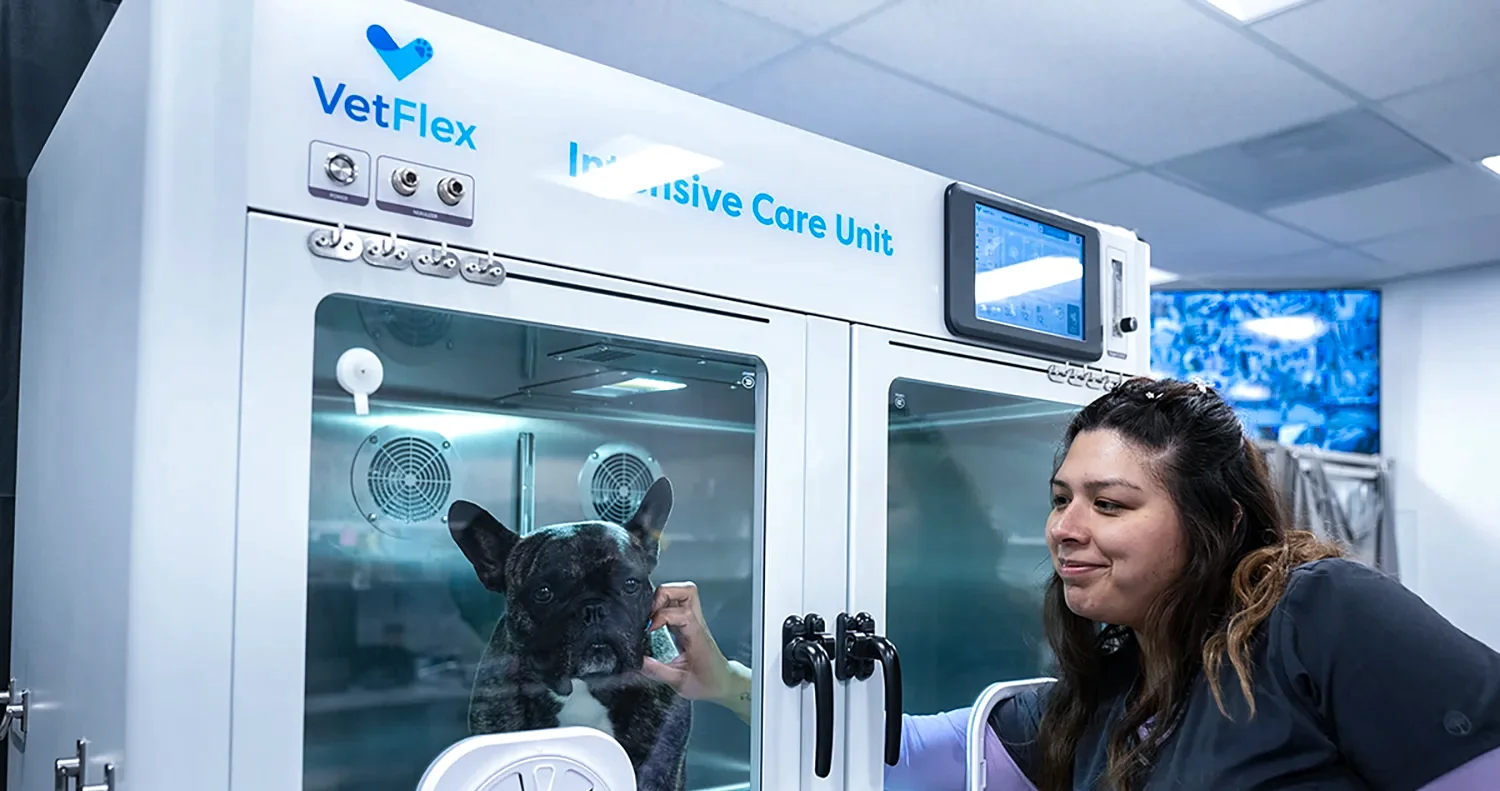
Optimizing Patient Recovery: How Modern Veterinary ICU Oxygen Cages Work
Explore the clinical mechanics of modern ICU oxygen therapy, focusing on ventilation technology, pathogen control, and environmental stability for critical patients.
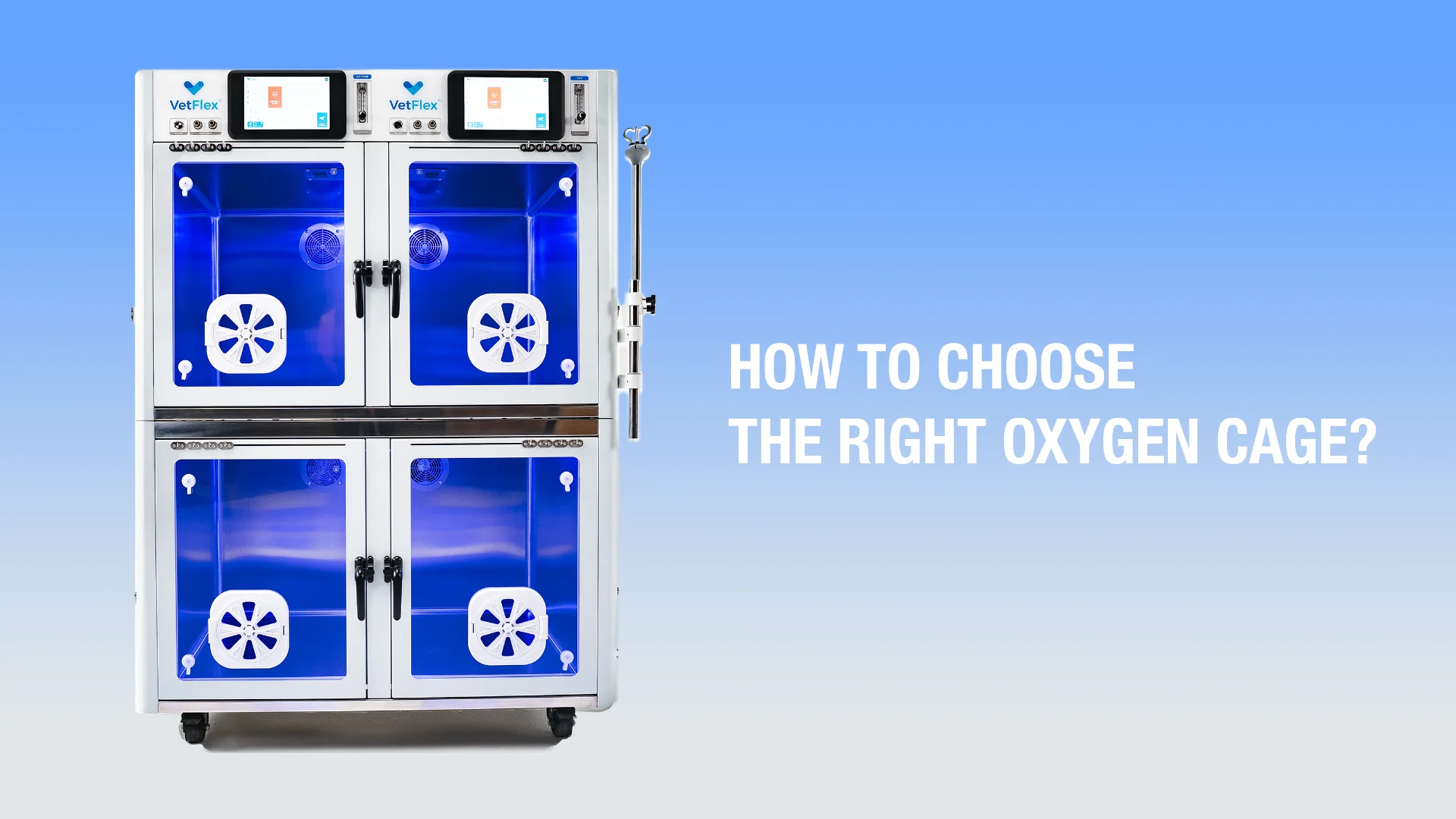
How to Choose the Right Veterinary Oxygen Cage for Your Practice
A practical guide to evaluating veterinary oxygen cages based on monitoring capabilities, environmental controls, durability, and total cost of ownership for clinics of all sizes.