
Anesthetic Monitoring in Veterinary Practice: Protocols That Reduce Complications
A clinical guide to veterinary anesthetic monitoring covering cardiovascular, respiratory, oxygenation, temperature, and depth assessment protocols that reduce complications and improve patient outcomes.
VetFlex Editorial Team
Veterinary Equipment Specialists
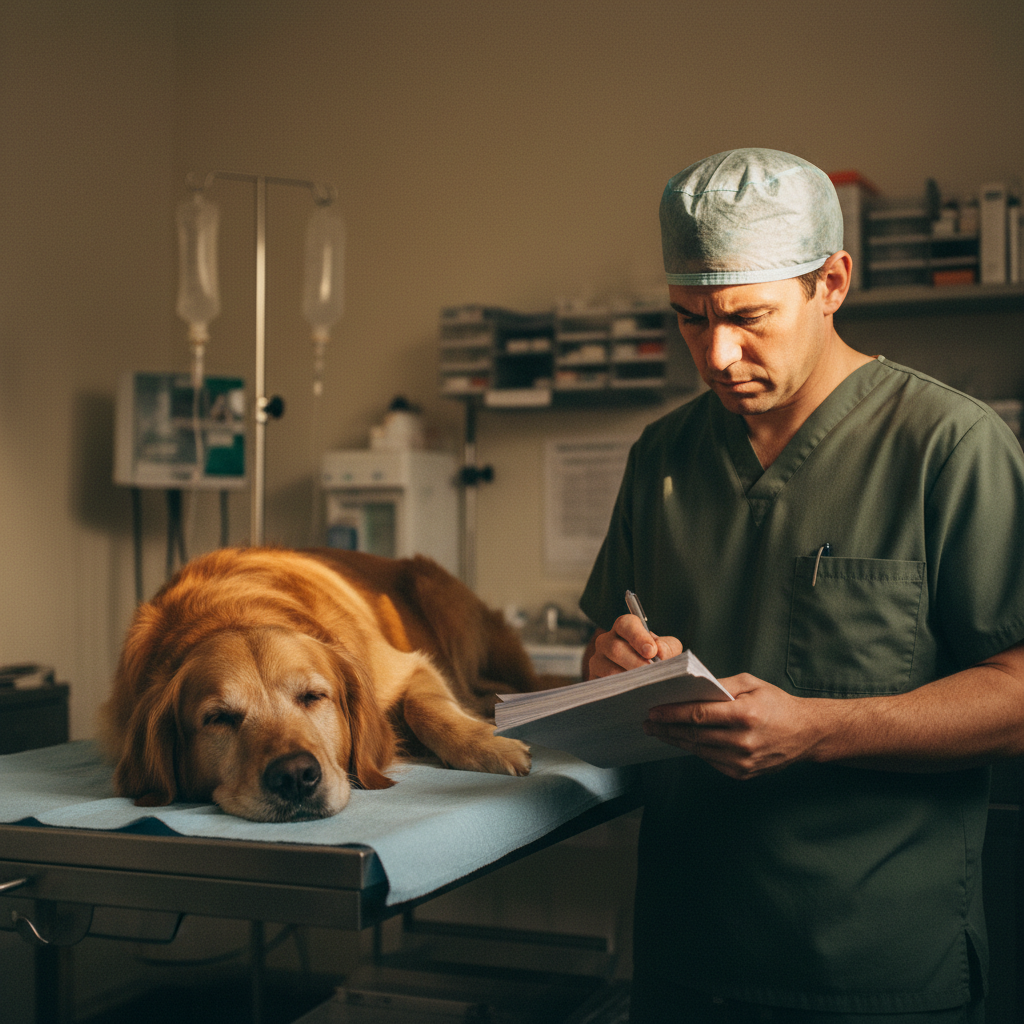
A 7-year-old Labrador is under anesthesia for a routine dental cleaning. Blood pressure has been drifting downward for 12 minutes, but no one noticed because the cuff was too large, underestimating the actual reading. The capnograph waveform changed subtly 8 minutes ago, but the technician was focused on the surgical field. These are not rare events. Early detection of hypoxia through pulse oximetry alone has reduced anesthetic mortality by over 60%. Comprehensive, multiparameter monitoring with proper protocols closes the remaining gaps.
VetFlex ICU systems integrate real-time multiparameter monitoring for critical and peri-anesthetic patients.
View Monitoring SolutionsWhy Monitoring Protocols Matter More Than Monitoring Equipment
Dogs under anesthesia can experience a 20-40% drop in blood pressure within the first 15 minutes. Cats metabolize anesthetic agents differently than dogs, requiring species-specific monitoring approaches. The equipment on the monitor is only as good as the protocols guiding its use and the training behind interpretation.
Why Clinics Are Upgrading Their Monitoring Approach
- Single-parameter monitoring misses multi-system deterioration patterns that precede emergencies
- Manual vital sign recording creates gaps during the most critical moments of a procedure
- Uncalibrated sensors provide false reassurance, leading to delayed interventions
- Inconsistent protocols between staff members create variability in patient safety
- Trend data from integrated monitors detects subtle changes before they become clinical crises
The Five Pillars of Anesthetic Monitoring
1. Cardiovascular Assessment
Heart rate and blood pressure form the foundation of hemodynamic assessment. Modern monitors combine ECG waveforms with oscillometric or Doppler blood pressure readings. Cuff size matters: cuffs too large underestimate pressure; too small overestimate it. Verify cuff width is approximately 40% of limb circumference.
2. Respiratory Monitoring (Capnography)
Capnography has transformed respiratory assessment during anesthesia. The ETCO2 waveform reveals not just whether the patient is breathing, but how effectively they are ventilating. Rising ETCO2 signals hypoventilation or metabolic acidosis. Falling ETCO2 may indicate decreased cardiac output, hyperventilation, or circuit disconnection. Abnormal waveform shapes reveal airway obstruction or circuit leaks.
3. Oxygenation (Pulse Oximetry)
Pulse oximetry provides continuous, non-invasive SpO2 monitoring. Readings below 95% warrant attention. Readings below 90% indicate significant hypoxemia requiring immediate intervention, correlating with a PaO2 of approximately 60 mmHg. Probe placement, patient perfusion, and ambient light all affect accuracy.
SpO2 below 90% indicates significant hypoxemia requiring immediate action. This correlates with a PaO2 of approximately 60 mmHg. Do not wait for further decline.
4. Temperature Regulation
Hypothermia during anesthesia is nearly universal without active warming. Even mild hypothermia delays drug metabolism, impairs coagulation, and prolongs recovery. Active warming should begin when temperature drops below 99°F. Patients below 97°F may experience cardiac arrhythmias.
5. Anesthetic Depth
Depth assessment integrates eye position, palpebral reflex, jaw tone, and response to stimulation. No single indicator is reliable alone.
| Indicator | Light Anesthesia | Surgical Plane | Too Deep |
|---|---|---|---|
| Eye Position | Central | Ventral rotation | Central |
| Palpebral Reflex | Present | Sluggish/Absent | Absent |
| Jaw Tone | Strong | Moderate | Flaccid |
| Heart Rate | Elevated | Stable | Bradycardia |
What to Look for in Monitoring Equipment
Waveform Display
Real-time ECG, capnography, and plethysmography waveforms provide instant visual feedback on multiple systems simultaneously.
Trend Analysis
Historical data visualization detects subtle changes before they become emergencies. Essential for long procedures.
Customizable Alarms
Species and patient-specific alarm thresholds reduce false alarms while ensuring critical events trigger immediate attention.
Automatic Data Logging
Digital record-keeping supports quality improvement, staff accountability, and legal documentation.
How VetFlex ICU Systems Support Peri-Anesthetic Care
VetFlex ICU systems integrate real-time monitoring of oxygen, CO2, temperature, and humidity into a single display. For post-anesthetic recovery, AERAFLOW™ technology maintains a controlled oxygen environment while STERILION™ ion sterilization reduces infection risk. The system operates at under 25 dB, minimizing stress during the vulnerable recovery period. These capabilities are particularly valuable for high-risk patients including brachycephalic breeds, geriatric patients, and those recovering from prolonged procedures.
See how VetFlex ICU systems support monitoring and recovery for anesthetic patients.
Compare ICU OptionsCost and Operational Impact of Comprehensive Monitoring
Practices that implement comprehensive monitoring protocols report 40% fewer anesthetic complications. The cost of one prevented emergency, including emergency drugs, extended staff time, client communication, and potential liability, far exceeds the investment in proper monitoring equipment and training. Integrated multiparameter monitors also reduce the need for multiple standalone devices, simplifying procurement and maintenance.
When to Upgrade Your Monitoring Capabilities
- Your current monitors lack capnography or waveform display
- You are manually recording vital signs during procedures
- Alarm fatigue is causing staff to ignore or disable alarms
- Your monitors are more than 7 years old and parts availability is declining
- You are handling high-risk patients (brachycephalic breeds, geriatric, cardiac) regularly
Clinical Use Cases
Routine Surgery
Dental cleanings, spays/neuters, and soft tissue surgery. Capnography catches hypoventilation early.
Emergency & Critical Care
Trauma, GDV, respiratory distress. Multiparameter monitoring with trend analysis guides rapid interventions.
Specialty Procedures
Orthopedic, neurological, and cardiac cases. Extended procedures demand continuous, automated monitoring with data logging.
Frequently Asked Questions
Better Monitoring Starts with Better Protocols
Equipment matters, but protocols and training determine outcomes. Implement standardized monitoring checklists, calibrate equipment monthly, train all staff on alarm response, and invest in integrated monitoring systems that make comprehensive assessment practical, not burdensome.
Talk to our team about ICU and monitoring solutions for your practice.
Request InformationRelated reading: VetFlex soda lime-free ICU systems, the future of veterinary critical care, and ICU equipment maintenance.
Download Product Specifications
Get ICU System Pricing & Specifications
Fill out the form below and our team will reach out within 24 hours.
See the ICU in action
Key Takeaways
Related Decision Guides
ICU Oxygen Cage Buying Guide
Compare features, costs, and choose the right system for your practice.
Read GuideSoda Lime vs Soda Lime-Free ICU
Understand the clinical and financial case for eliminating soda lime.
Read GuideBest Veterinary Oxygen Cage
Evaluate features, monitoring, and cost of ownership across systems.
Read GuideICU & Critical Care Equipment
Need oxygen without central O₂? Explore the VetFlex Veterinary Oxygen Concentrator
How did you find this article?
Was this article helpful?
Your feedback helps us understand what content matters most to you.
Related Clinical Insights
How to Choose the Right Veterinary Oxygen Cage for Your Practice
A practical guide to evaluating veterinary oxygen cages based on monitoring capabilities, environmental controls, durability, and total cost of ownership for clinics of all sizes.

Why Soda Lime-Free Oxygen Cages Are the Future of Veterinary Care
Veterinary medicine is advancing rapidly, with an emphasis on technologies that enhance patient outcomes while reducing operational challenges. One of the most transformative innovations is the soda lime-free oxygen cage system.
Brachycephalic Dogs and Oxygen Cages: Supporting Flat-Faced Breeds in Respiratory Distress
A clinical guide to managing brachycephalic respiratory emergencies with veterinary oxygen cages, covering BOAS pathophysiology, treatment protocols, and ICU equipment selection.