0% APR Financing AvailableView ICU financing options
    VetFlex Logo
    Oxygen Supply Guide

    Oxygen Concentrator vs Tank vs Central Oxygen: Which Fits Your Clinic?

    An oxygen concentrator suits clinics needing on demand oxygen for ICU and recovery care without tank refills. Tanks suit mobile work, infrequent use and power outage backup; central oxygen suits large hospitals supplying multiple treatment areas at once. Match the source to your simultaneous flow requirements and existing infrastructure.

    Quick answer

    Concentrators make oxygen while powered; tanks hold a stored supply.

    Central oxygen pipes supply to several treatment areas.

    Choose by flow needs, room setup and backup plans.

    Key points

    • Match flow capacity to simultaneous patient use.
    • Concentrators need power and routine filter care.
    • Tanks need secure storage and refills.
    • Central oxygen needs piping and source maintenance.
    • Keep a backup source for outages or service.

    For animal use only. Not for human use.

    Evaluate setup cost, recurring expenses, reliability, and scalability before committing to an oxygen infrastructure.
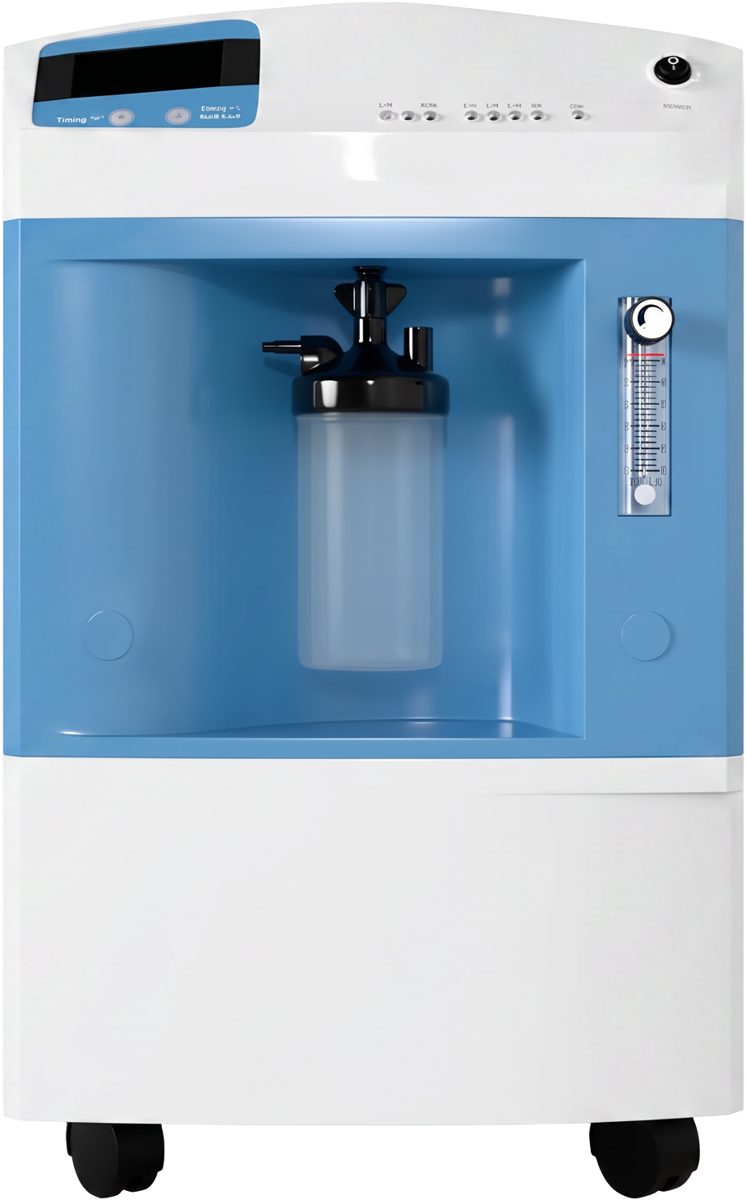
    VetFlex 10L veterinary oxygen concentrator for continuous oxygen supply

    Compare all three sources across supply reliability, purchase and operating costs, staff workflow, storage and scalability. Concentrators separate oxygen from room air; cylinders hold a finite compressed supply; central systems pipe oxygen from a larger source to treatment rooms. A concentrator paired with a backup tank may fit general and emergency clinics, while hospitals with high simultaneous demand should evaluate central infrastructure.

    This guide is designed to help veterinary clinics evaluate oxygen supply infrastructure based on real world cost, reliability, and clinical workflow considerations.

    The Problem

    Why Clinics Are Reevaluating

    Monthly tank rental and delivery fees averaging $300 to $500 per month (estimated)

    Risk of running out during emergencies or after hours

    Storage space requirements for large cylinders

    Delivery scheduling and logistics burden on staff

    Safety concerns with high pressure compressed gas cylinders

    Inability to scale oxygen output on demand

    Evaluation Framework

    What to Consider

    1

    Upfront vs. Recurring Cost

    Concentrators have a higher initial cost but eliminate monthly delivery fees. Tanks have low entry cost but accumulate significant expense over time.

    2

    Reliability and Availability

    Concentrators produce oxygen on demand while powered. Tanks provide a finite stored supply and depend on refills; central systems distribute oxygen from a bulk source. Include a backup source in the plan rather than relying on any system without contingency arrangements.

    3

    Space and Infrastructure

    Concentrators are compact and portable. Central systems require dedicated rooms and plumbing. Tanks need secure storage areas.

    4

    Flow Rate and Patient Needs

    Evaluate whether your typical caseload requires continuous low flow or high flow oxygen delivery. Match the system to your clinical volume.

    5

    Maintenance Requirements

    Concentrators require periodic filter assessment or replacement as applicable. Tank and central-supply requirements vary by vendor, infrastructure, and service plan.

    6

    Regulators, Flowmeters and Patient Interfaces

    Tank regulators reduce cylinder pressure and flowmeters control delivery in liters per minute. Concentrator flowmeters are often integrated. Oxygen cages, nasal cannulas, face masks, endotracheal tubes and flow by delivery are different patient interfaces; select the interface and prescribed flow for the clinical scenario.

    7

    Humidification and Oxygen Safety

    Consider humidification during extended oxygen administration because dry oxygen can irritate mucous membranes. Oxygen accelerates fire: maintain ventilation, keep sources away from heat and open flames, and inspect equipment for leaks or damage.

    8

    Central Oxygen and Existing Infrastructure

    Central oxygen distributes supply through piping to multiple ICU bays, surgery suites and treatment rooms. It requires installation investment, dedicated space and ongoing source maintenance or bulk delivery. Assess simultaneous demand and existing infrastructure before deciding whether to install or replace it.

    Side by Side

    Direct Comparison

    Feature
    Oxygen Concentrator
    Oxygen Tanks / Central Oxygen
    Upfront Cost
    Moderate (one time purchase)
    Tanks: low entry cost. Central: high installation investment.
    Recurring Cost
    Electricity and routine filter maintenance
    Tanks: rentals, refills and delivery. Central: bulk supply and servicing.
    Oxygen Availability
    On demand while powered, within the unit's flow capacity
    Tanks: finite cylinder volume. Central: piped access from a larger source.
    Emergency Readiness
    On demand while powered; maintain a backup tank for outages
    Tanks: available if filled. Central: bulk source and system contingency planning.
    Space Required
    Compact, portable unit
    Tanks: secure cylinder storage. Central: dedicated source area and plumbing.
    Maintenance
    Periodic filter replacement
    Tanks: regulator and valve checks. Central: system and source servicing.
    Scalability
    Add additional units as needed
    Tanks: add cylinders and refill logistics. Central: expand piping infrastructure.
    Safety
    No high pressure gas storage
    Tanks: high pressure handling and storage. Central: source and piping checks.
    Best Fit For
    Clinics seeking independence from tank delivery with predictable costs
    Tanks: mobile, backup or infrequent use. Central: large hospitals with multiple points of use.

    High volume clinics often prioritize systems that reduce ongoing maintenance and consumable dependency.

    Our Solution

    VetFlex 10LPM Oxygen Concentrator

    The VetFlex veterinary oxygen concentrator delivers adjustable 1 to 10 LPM oxygen from room air using Pressure Swing Adsorption. It connects to VetFlex ICU cages through standard tubing. Compare the product specifications and your required flow, then review ICU systems for a complete cage and oxygen supply setup.
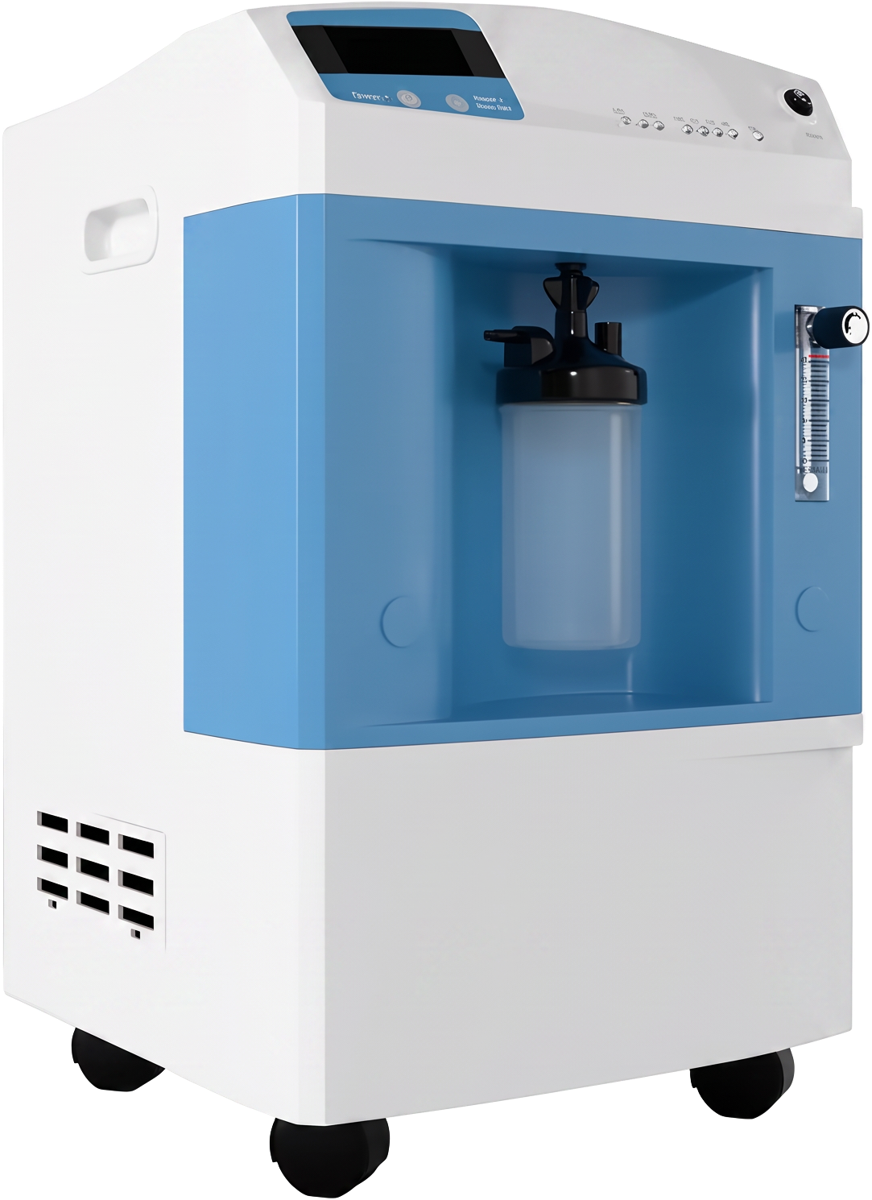
    Angled view of the VetFlex 10L veterinary oxygen concentrator
    Cost Analysis

    5 Year Oxygen Supply Cost Comparison

    Estimated cost comparison between oxygen concentrator ownership and tank rental delivery.

    Cost Category
    Tank Rental
    Concentrator
    Equipment / Rental
    $3,000
    $2,500
    Delivery Fees
    $18,000
    $0
    Emergency Refills
    $3,000
    $0
    Electricity
    $0
    $1,500
    Maintenance
    $500
    $500
    Estimated Total
    $24,500
    $4,500

    $20,000

    Estimated total savings

    ~$333/mo

    Estimated monthly impact

    All figures are estimated averages. Actual costs vary by clinic volume, location, and usage patterns.

    Avoid These Pitfalls

    Common Buying Mistakes

    Focusing only on monthly rental cost

    Tank rentals appear affordable per month but accumulate to $18,000 or more over five years in delivery fees alone (estimated).

    Underestimating emergency refill costs

    After hours or urgent refills often carry premium charges that are not reflected in standard monthly quotes.

    Ignoring workflow disruption

    Tank deliveries require staff coordination, storage management, and inventory tracking that pull attention from patient care.

    Not planning for growth

    Tank based systems become increasingly expensive as patient volume grows. Concentrators scale more efficiently.

    Is It Right for You?

    When This Makes Sense

    Clinics spending $300 or more per month on oxygen tank delivery

    Emergency hospitals requiring 24/7 oxygen availability without supply dependency

    Practices adding ICU capability and needing a complete oxygen solution

    Multi unit environments where tank logistics become complex

    Clinics in remote areas where delivery schedules are unreliable

    Applications

    Common Use Cases

    Emergency Hospitals

    24/7 oxygen availability without dependency on tank delivery schedules. Critical for after hours emergencies.

    General Practice Clinics

    Compact footprint and quiet operation for practices adding oxygen therapy to their service offering.

    Multi Unit Facilities

    Evaluate added concentrator units against central piping when several ICU bays, surgical suites or treatment rooms need oxygen simultaneously. Existing central infrastructure may remain appropriate for high volume demand.

    FAQ

    Frequently Asked Questions

    Over five years, an oxygen concentrator can save an estimated $20,000 or more compared to tank rental and delivery. The primary savings come from eliminating monthly delivery fees and emergency refill charges.

    Yes. Medical grade oxygen concentrators like the VetFlex 10LPM are designed for continuous 24/7 operation with periodic filter maintenance.

    Most veterinary ICU cages operate effectively at 5 to 10 LPM. The VetFlex 10LPM concentrator provides sufficient flow for standard ICU cage operation.

    While concentrators provide reliable on demand oxygen, maintaining a small backup tank for power outage scenarios is recommended as a best practice.

    The VetFlex product specifications list noise under 50 dB. It can be placed in a utility area if noise is a concern, with the ventilation clearance specified for the unit.

    Yes. The VetFlex 10LPM concentrator uses standard oxygen tubing connections and pairs directly with any VetFlex ICU cage or most third party oxygen enclosures.

    An oxygen tank stores a finite volume of compressed oxygen and needs refilling or exchange. An oxygen concentrator separates oxygen from ambient air and produces oxygen continuously while powered, within its rated flow capacity.

    Central oxygen is an option for large hospitals or multi room clinics requiring oxygen across multiple treatment areas, surgery suites and recovery cages. Compare simultaneous flow demand, installation cost, dedicated source space and existing piping before deciding.

    A concentrator can provide a standalone source for ICU and recovery use in general or emergency practices. Large facilities with high simultaneous demand may still benefit from central infrastructure. Select the supply around required flow and compatible equipment rather than assuming one source suits every hospital.

    The VetFlex concentrator can serve as an independent backup for hospitals with central oxygen infrastructure, including during maintenance or downtime. Confirm the connections and required flow for the equipment you intend to supply.

    The VetFlex 10 LPM concentrator is designed for continuous clinical operation and provides oxygen while powered. Match its rated flow to the delivery equipment and maintain a backup oxygen source for power outages or service needs.

    The product specifications list 93% ± 3% oxygen concentration, with adjustable flow from 1 to 10 LPM. Always match the oxygen source and delivery method to the attending veterinarian's requirements.

    Portable tanks remain useful for field work, transport and backup supply. The VetFlex 10 LPM unit is specified for continuous stationary use with 110V power; do not treat it as a portable transport concentrator.

    Oxygen accelerates fire. Ensure ventilation, keep oxygen sources away from heat and open flames, and inspect equipment for leaks or damage. Cylinders also need appropriate pressure regulation, handling and secure storage.
    Get Started

    Next Steps

    Ready to Make the Right Decision for Your Clinic?

    Tell us a bit about your clinic and what you are evaluating. We will send relevant specifications and pricing.

    Our team will follow up with recommendations based on your clinic's needs.

    More buying guides