0% APR Financing AvailableView ICU financing options
    VetFlex Logo
    Cost Analysis Guide

    Understanding the True ICU Cost of Ownership

    A complete breakdown of what veterinary ICU systems actually cost over their lifecycle, beyond the initial purchase price.

    Evaluate purchase cost, consumables, maintenance, energy, and staff time to understand the full financial picture.

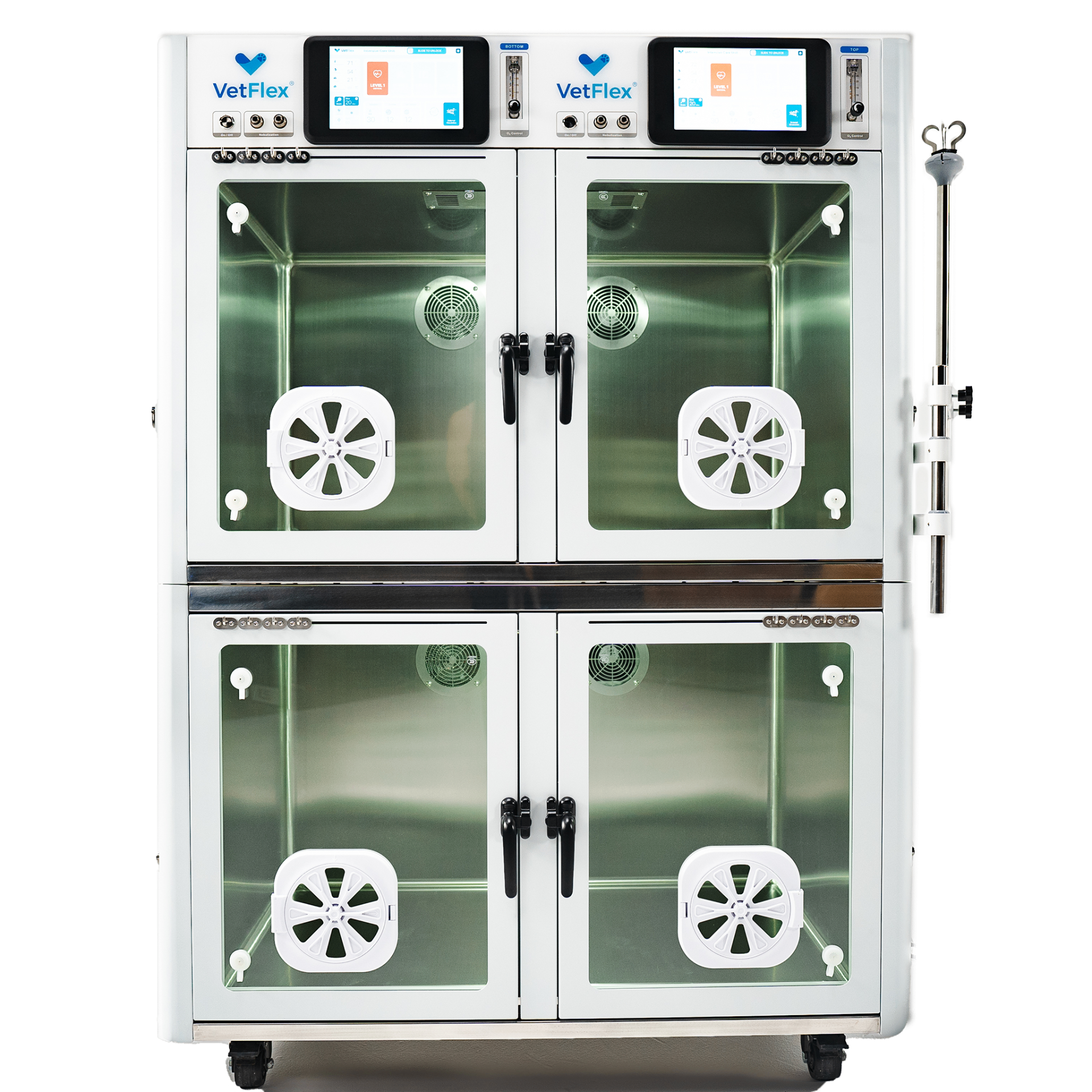
    VetFlex ICU Pro Duo oxygen cage system

    Purchase price is only one part of an ICU buying decision. Consumables, maintenance, staff time, energy, service coverage, and downtime can materially change the ownership picture over time. Use your own invoices and operating assumptions to compare systems rather than treating example figures as a quote.

    This guide is designed to help veterinary clinics compare ICU system options using their own quotes, invoices, labor rates, utility costs, service terms, and ownership assumptions. Example figures are illustrative planning inputs, not guarantees.

    The Problem

    Why Clinics Are Reevaluating

    Upfront price should be evaluated alongside the expected ownership period

    Soda lime can add a material recurring expense in traditional workflows

    Maintenance costs may change as systems age

    Staff time for consumable management is often missing from budgets

    Energy costs vary between system architectures and usage patterns

    Unplanned repairs and downtime carry operational cost

    Evaluation Framework

    What to Consider

    1

    Initial Purchase Price

    The most visible cost but often the least significant over the equipment lifecycle. Factor in warranty coverage, installation, and training when comparing.

    2

    Consumable Costs

    Soda lime, filters, and replacement parts represent the largest ongoing expense category for traditional systems. Some systems eliminate these costs entirely.

    3

    Maintenance and Service

    Scheduled maintenance, unplanned repairs, and service contracts add to ownership cost. Simpler systems with fewer consumable components require less maintenance.

    4

    Staff Labor

    Time spent on consumable monitoring, replacement, inventory management, and vendor coordination has real labor cost that compounds daily.

    5

    Energy Consumption

    Different system architectures consume different amounts of electricity. This is a minor but ongoing cost that should be factored into total ownership.

    Side by Side

    Direct Comparison

    Feature
    VetFlex (Soda Lime Free)
    Traditional (Soda Lime)
    Purchase Price
    Compare the configured system quote
    Compare the configured system quote
    Annual Soda Lime Cost
    Not modeled for the soda lime-free configuration
    $3,000 per year planning scenario
    5 Year Soda Lime Total
    Not modeled for the soda lime-free configuration
    $15,000 planning scenario
    Annual Maintenance
    $200 per year planning assumption
    $800 per year planning assumption
    Staff Time (Annual)
    Depends on clinic workflow
    Depends on consumable workflow
    Energy Cost
    Use your utility estimate
    Use your utility estimate
    5 Year Operating Cost Example
    About $3,500 before purchase price*
    About $35,000 before purchase price*
    Best Fit For
    Clinics comparing recurring operating requirements
    Clinics currently using soda lime workflows

    High volume clinics often prioritize systems that reduce ongoing maintenance and consumable dependency.

    Our Solution

    VetFlex ICU Systems

    For clinics prioritizing long term cost efficiency, VetFlex ICU cages eliminate the largest ongoing expense categories: soda lime consumables and the staff time required to manage them.

    Cost Analysis

    Illustrative 5 Year Operating-Cost Scenario

    Example recurring costs before equipment purchase price. Replace these planning assumptions with your clinic's actual data.

    Cost Category
    Traditional ICU
    VetFlex ICU
    Soda Lime Consumables
    $15,000
    $0
    Other Consumables
    $6,000
    $0
    Maintenance and Repairs
    $4,000
    $1,000
    Staff Labor (Consumables)
    $7,500
    $0
    Energy
    $2,500
    $2,500
    Estimated Total
    $35,000
    $3,500

    $31,500

    Estimated total savings

    ~$525/mo

    Estimated monthly impact

    These are illustrative planning assumptions, not a price quote or savings guarantee. Actual costs vary with patient volume, configuration, service needs, labor rates, utilities, and local purchasing terms. The VetFlex column models no soda lime consumable expense; other supplies and operating costs may still apply.

    Interactive estimate

    Model Your ICU Operating Costs

    Adjust the assumptions to estimate recurring operating costs across your ICU units. This comparison excludes the initial equipment purchase price.

    Estimates are planning inputs, not a quote. Replace them with your invoices, labor rate, utility costs, and service history for a more useful comparison.

    Traditional ICU operating cost

    $29,000

    over 5 years, 1 unit

    VetFlex ICU operating cost estimate

    $3,500

    Includes an estimated $200 annual maintenance allowance and energy.

    Estimated operating-cost difference

    $25,500

    Potential difference before purchase price, financing, tax, and installation.

    Avoid These Pitfalls

    Common Buying Mistakes

    Assuming soda lime-free systems cost more upfront

    Compare the configured purchase price, warranty, service terms, and expected operating requirements. A soda lime-free design may reduce soda lime purchasing, but it does not make every operating cost zero.

    Underestimating soda lime volume

    Soda lime use can vary with patient volume, workflow, and replacement practices. Request actual usage data before projecting a traditional-system scenario.

    Ignoring staff time as a real cost

    Hours spent on consumable monitoring and replacement have measurable labor cost. Model the time using your clinic's loaded labor rate and observed workflow.

    Not requesting warranty details

    Warranty coverage varies significantly. Compare coverage, exclusions, response times, and service pricing before projecting repair costs.

    Is It Right for You?

    When This Makes Sense

    Clinics comparing two or more ICU system quotes

    Practice managers building a capital equipment budget

    Hospitals evaluating lease vs. purchase decisions

    Clinics replacing aging equipment and wanting to reduce ongoing costs

    Multi unit facilities where operating costs scale with each additional cage

    Applications

    Common Use Cases

    Capital Planning

    Practice managers and hospital administrators building equipment budgets with accurate total cost projections.

    Replacement Decisions

    Clinics evaluating whether to repair aging systems or invest in new equipment with lower ongoing costs.

    Multi Unit Expansion

    Hospitals adding ICU capability where per unit operating costs multiply across multiple cages.

    FAQ

    Frequently Asked Questions

    Get Started

    Next Steps

    Ready to Make the Right Decision for Your Clinic?

    Tell us a bit about your clinic and what you are evaluating. We will send relevant specifications and pricing.

    Our team will follow up with recommendations based on your clinic's needs.