
How to Choose the Right Veterinary Oxygen Cage for Your Practice
A practical guide to evaluating veterinary oxygen cages based on monitoring capabilities, environmental controls, durability, and total cost of ownership for clinics of all sizes.
VetFlex Editorial Team
Veterinary Equipment Specialists
A respiratory emergency arrives after hours. Your oxygen delivery system is not reaching target saturation. The cage temperature is climbing because there is no active cooling. Your team is managing the equipment instead of managing the patient. Oxygen cage selection directly affects how your team handles critical cases, and the wrong choice creates operational friction during the moments that matter most.
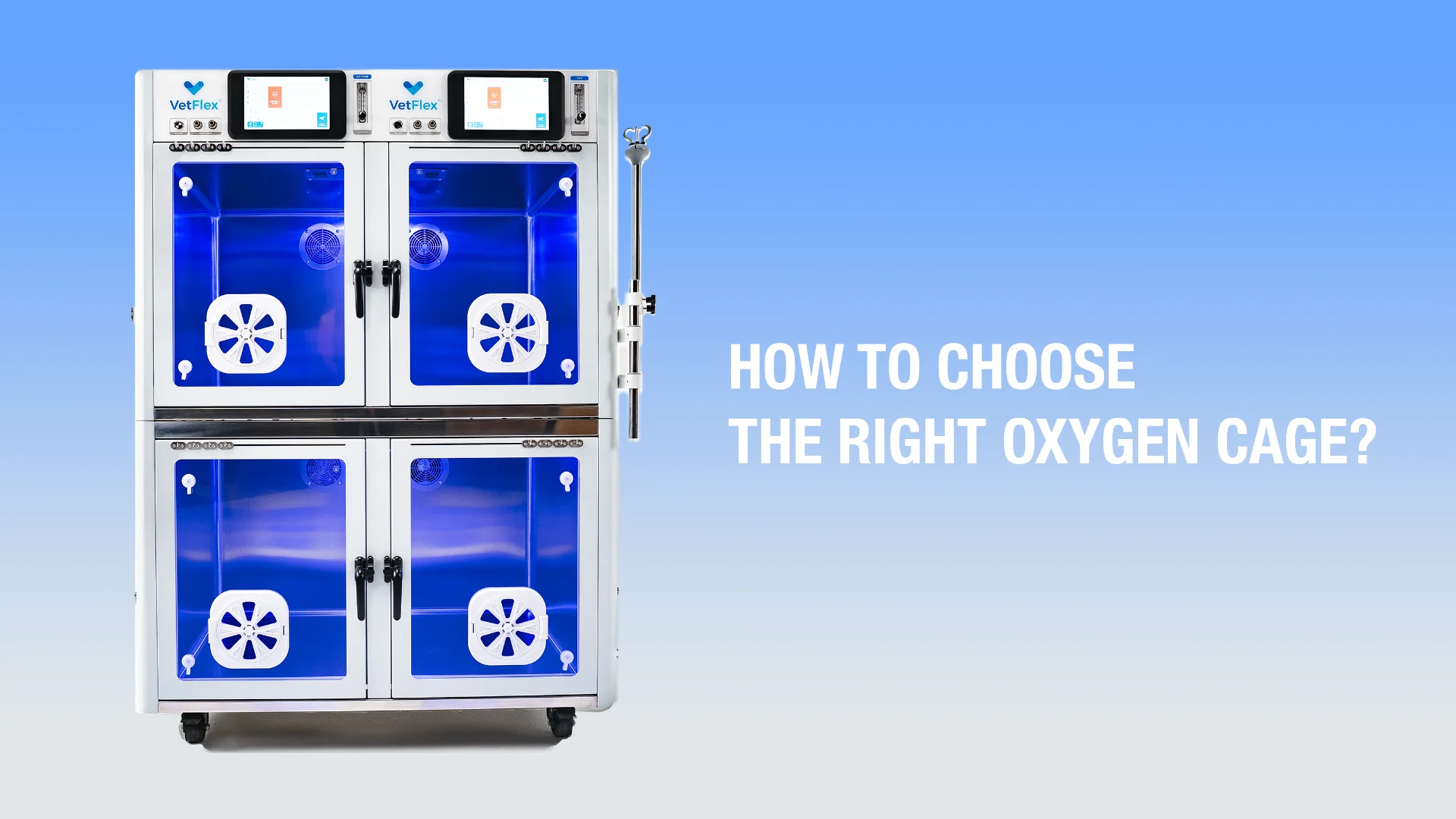
See how VetFlex ICU systems integrate oxygen delivery, monitoring, and environmental control into one unit.
View ICU SystemsWhy Oxygen Cage Selection Impacts Clinical Outcomes and Costs
An oxygen cage is not just a box that delivers O2. It is the controlled environment where your most vulnerable patients stabilize. The difference between a basic enclosure and a properly engineered ICU system shows up in patient recovery times, staff workload, consumable costs, and long-term equipment reliability.
Why Clinics Are Upgrading Their Oxygen Cage Systems
- Legacy systems require soda lime canisters, adding $1,500-3,000 in annual consumable costs
- Basic cages lack real-time CO2 monitoring, creating blind spots during critical care
- Floor-heated systems cause humidity problems that compromise patient comfort
- Plastic and laminate construction degrades faster and is harder to disinfect than stainless steel
- No backup power means oxygen delivery stops during power outages
What to Evaluate Before Purchasing a Veterinary Oxygen Cage
Oxygen Monitoring and Delivery
Look for cages with built-in O2 and CO2 sensors that display readings in real time. Adjustable flow rates and compatibility with both oxygen concentrators and centralized systems provide operational flexibility. Systems that display CO2 in parts per million give more precise readings than percentage-based displays.
Environmental Controls
Temperature and humidity control are as important as oxygen delivery. Convection-based heating systems distribute heat evenly and avoid the humidity problems common with floor-heated units. Integrated cooling is essential for heat-sensitive patients, particularly brachycephalic breeds.
Convection-based heating is more comfortable and avoids the humidity problems common with floor-heated systems. Look for integrated air conditioning AND heating in a single unit.
Construction and Durability
Medical-grade stainless steel withstands aggressive cleaning protocols and handles a wide range of disinfectants. Plastic and laminate alternatives degrade faster, harbor bacteria in scratches, and often need replacement within 3-5 years.
Size and Expandability
For larger practices, double-stacked systems allow expansion without additional floor space. Smaller practices benefit from hybrid stack units that combine a standard kennel with an ICU unit in a space-saving design. Evaluate whether the system can scale as your practice grows.
VetFlex ICU: Built for Clinical Performance
VetFlex ICU systems address every evaluation criterion above in a single integrated unit. AERAFLOW™ technology eliminates soda lime entirely, managing CO2 through continuous air exchange rather than chemical absorption. Built-in STERILION™ ion sterilization reduces infection risk without chemical cleaners. The result is a system that costs less to operate, requires less maintenance, and delivers better patient outcomes.
AERAFLOW™ Technology
Soda lime-free CO2 management through continuous air exchange. Zero consumables.
STERILION™ Sterilization
Built-in ion technology eliminates 99% of airborne pathogens.
Real-Time Monitoring
O2, CO2 (ppm), temperature, and humidity displayed continuously.
30-Min Battery Backup
Uninterrupted oxygen delivery during power outages.
Comparison: Standard Oxygen Cage vs. VetFlex ICU
| Feature | Standard Oxygen Cage | VetFlex ICU |
|---|---|---|
| CO2 Management | Soda lime canisters (weekly changes) | AERAFLOW™ continuous air exchange |
| Annual Consumable Cost | $1,500-3,000 | $150 (filters only) |
| CO2 Monitoring | Limited or none | Real-time PPM display |
| Temperature Control | Floor heating only | Convection heating + AC (65-95°F) |
| Noise Level | 40-60 dB | <25 dB |
| Construction | Plastic/laminate | Medical-grade stainless steel |
| Backup Power | None | 30-minute battery |
| Sterilization | Manual chemical cleaning | Built-in STERILION™ ion system |
Compare VetFlex ICU configurations for your practice size and patient volume.
Compare ICU OptionsCost and Operational Impact
The purchase price of an oxygen cage is a fraction of its total cost of ownership. Soda lime consumables, chemical waste disposal, replacement parts, and staff time on maintenance all contribute to ongoing costs. VetFlex ICU systems eliminate soda lime costs entirely and reduce maintenance to annual filter changes.
- Soda lime elimination saves $1,500-3,000 annually per unit
- Stainless steel construction reduces replacement frequency
- Built-in monitoring reduces the need for separate monitoring equipment purchases
- Lower noise levels reduce patient stress and may improve recovery times
- Battery backup eliminates the cost and risk of oxygen interruption during outages
When It Makes Sense to Upgrade
- Your current system requires soda lime or other recurring consumables
- You lack real-time CO2 monitoring in your oxygen cages
- Your ICU equipment is more than 5 years old and repair frequency is increasing
- You are expanding or adding critical care capacity
- Heat-sensitive patients (brachycephalic breeds) are a significant portion of your caseload
Clinical Use Cases
Emergency Hospitals
24/7 operation with backup battery. Handles respiratory emergencies, post-surgical recovery, and toxicity cases.
General Practice
Compact hybrid stacks fit smaller spaces. Handles post-anesthetic recovery and respiratory support.
Specialty Clinics
Precise environmental controls for oncology, neurology, and neonatal patients.
Frequently Asked Questions
Choose Equipment That Works as Hard as Your Team
Your oxygen cage should support your clinical workflow, not complicate it. Evaluate based on total cost of ownership, monitoring capabilities, environmental controls, and construction quality. The right system pays for itself through reduced consumable costs, lower maintenance burden, and better patient outcomes.
Request a custom configuration quote for your practice.
Request PricingRelated reading: our veterinary oxygen cage guide, how veterinary oxygen cages work, and why soda lime-free oxygen cages are the future.
Download Product Specifications
Get ICU System Pricing & Specifications
Fill out the form below and our team will reach out within 24 hours.
See the ICU in action
Key Takeaways
Related Decision Guides
ICU Oxygen Cage Buying Guide
Compare features, costs, and choose the right system for your practice.
Read GuideSoda Lime vs Soda Lime-Free ICU
Understand the clinical and financial case for eliminating soda lime.
Read GuideBest Veterinary Oxygen Cage
Evaluate features, monitoring, and cost of ownership across systems.
Read GuideICU & Critical Care Equipment
Need oxygen without central O₂? Explore the VetFlex Veterinary Oxygen Concentrator
How did you find this article?
Was this article helpful?
Your feedback helps us understand what content matters most to you.
Related Clinical Insights
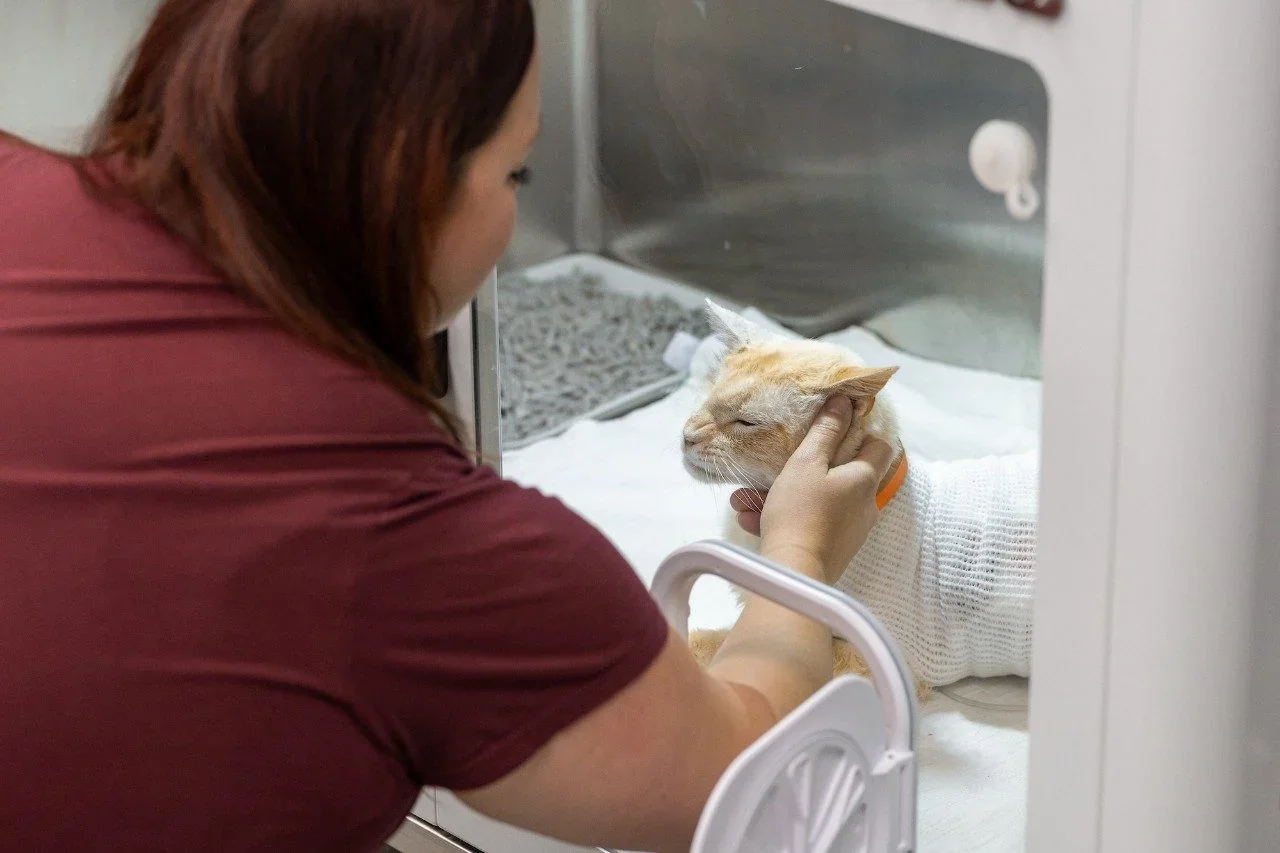
How Virginia Tech Is Using VetFlex Oxygen Cage Technology to Transform Veterinary Oxygen Care
Virginia-Maryland College of Veterinary Medicine at Virginia Tech has officially installed the VetFlex ICU oxygen cage system in their state-of-the-art Veterinary Teaching Hospital, marking a huge step forward for animal health.

Why Soda Lime-Free Oxygen Cages Are the Future of Veterinary Care
Veterinary medicine is advancing rapidly, with an emphasis on technologies that enhance patient outcomes while reducing operational challenges. One of the most transformative innovations is the soda lime-free oxygen cage system.
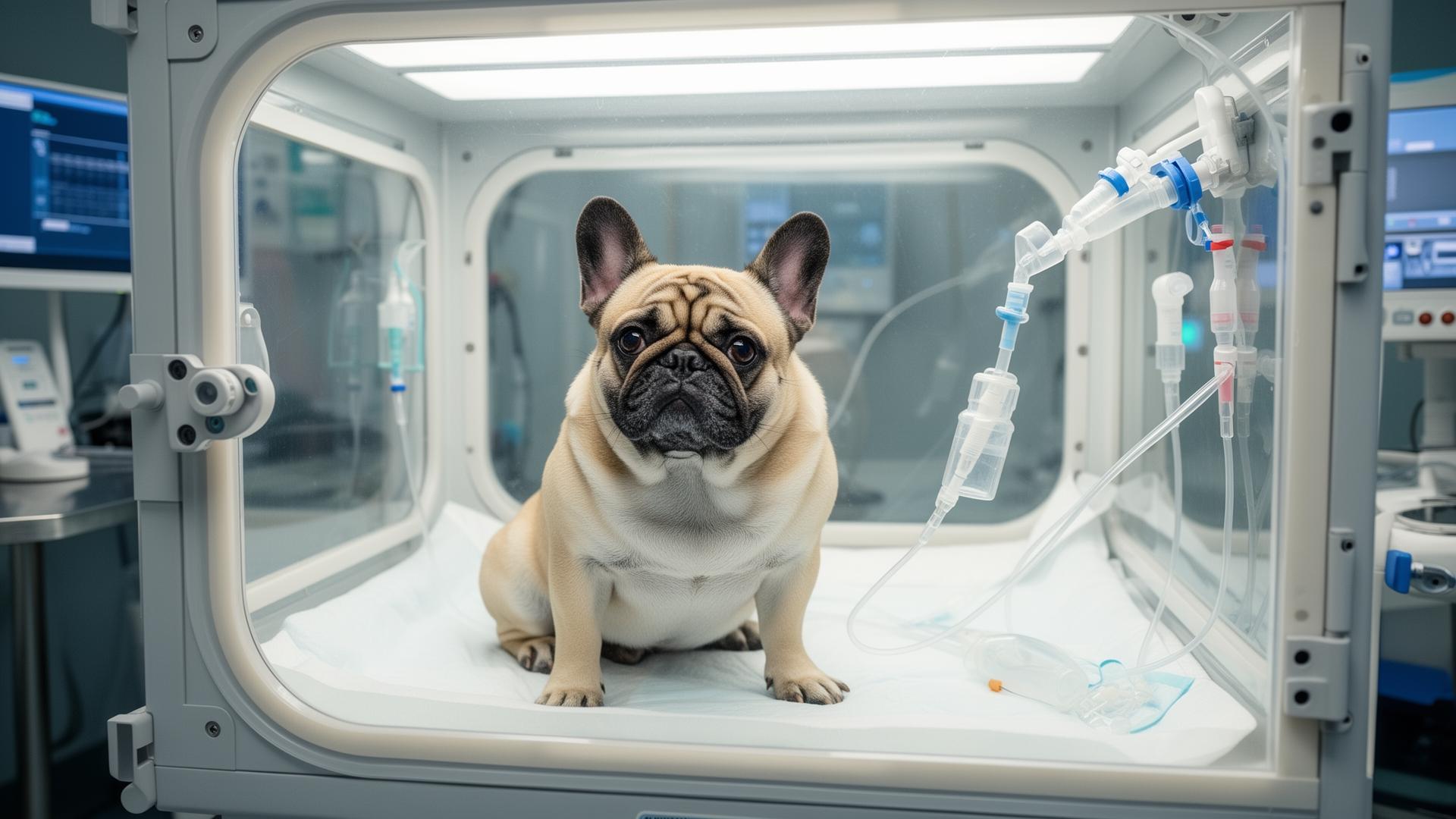
Brachycephalic Dogs and Oxygen Cages: Supporting Flat-Faced Breeds in Respiratory Distress
A clinical guide to managing brachycephalic respiratory emergencies with veterinary oxygen cages, covering BOAS pathophysiology, treatment protocols, and ICU equipment selection.