Free shipping on orders $100+ · Ships within 24 hours

Keep veterinary chemotherapy gloves in the purchasing plan for the whole oncology shift, not just the treatment appointment. NATRLE nitrile exam gloves come in violet blue, with textured fingertips, latex free and powder free construction.
D6319
Exam standard
D6978
Chemo testing
200
Gloves per box
2,000
Gloves per case
An emergency hospital can have oncology appointments, admissions and routine examinations running alongside one another. Count glove use by work area before you choose a case quantity. These stations are a purchasing checklist, not a hazardous drug protocol; the hospital’s written procedures determine the glove selection and changes for each task.
Start with the examination rooms and treatment floor. Record the sizes used by technicians, assistants and clinicians on each shift rather than assuming everyone wears the same size.
Give the oncology team a clearly identified stock location for its chemotherapy rated exam gloves. Purchasing should retain the specification with the item record and confirm the requested glove with the person responsible for hazardous drug procedures.
Include the people assisting with treatment and subsequent patient care when reviewing monthly volume. A purchasing estimate based only on the prescribing clinician will miss the rest of the team.
Build a handover check around remaining packs, size gaps and the next scheduled oncology list. Keep waste handling decisions with the hospital’s clinical policy.
Double gloving chemotherapy veterinary workflows need a different volume estimate from routine examinations. Count both pairs in the estimator, then use the deeper clinical guide for the rationale. This page helps your buyer choose packs; it does not replace USP 800, the 2026 AAHA oncology guidelines or your hospital’s written procedures.
Ask the oncology lead which tasks require double gloving under the team’s protocol. Enter two pair changes for each complete change of both pairs. Keep that demand separate from ordinary ER examinations if the staffing or change frequency differs.
Record the exam glove specification alongside the purchasing item and make it available to the clinical reviewer. ASTM D6978 rated against 22 chemotherapy drugs. The standard is a specific chemotherapy testing claim, not a general assurance for every substance or task encountered in a hospital.
For the clinical rationale and guideline context, read the chemo rated glove guide.
Use the number of people wearing gloves, the pair changes per shift and the shifts worked per person. Run separate estimates for ER and oncology if their routines differ. The result rounds to complete packs and uses current product prices, so you can review a practical order quantity without assuming a case discount.
Planning estimate, not a reorder instruction. One change means one pair, or two gloves. Count double gloving as two pair changes. Adjust shifts to your own roster. Packs are rounded up to whole units; taxes and any paid shipping are excluded.
4,000
Gloves per month
20
200 glove boxes
2
2,000 glove cases
$279.60
Estimated monthly cost
Lowest current price per glove: 2,000 glove case, $0.0699 per glove. Buy 2 whole packs for this estimate. Equal unit prices favor the larger pack, not an invented discount.
Free shipping on orders of $100+. This estimated order meets the threshold.
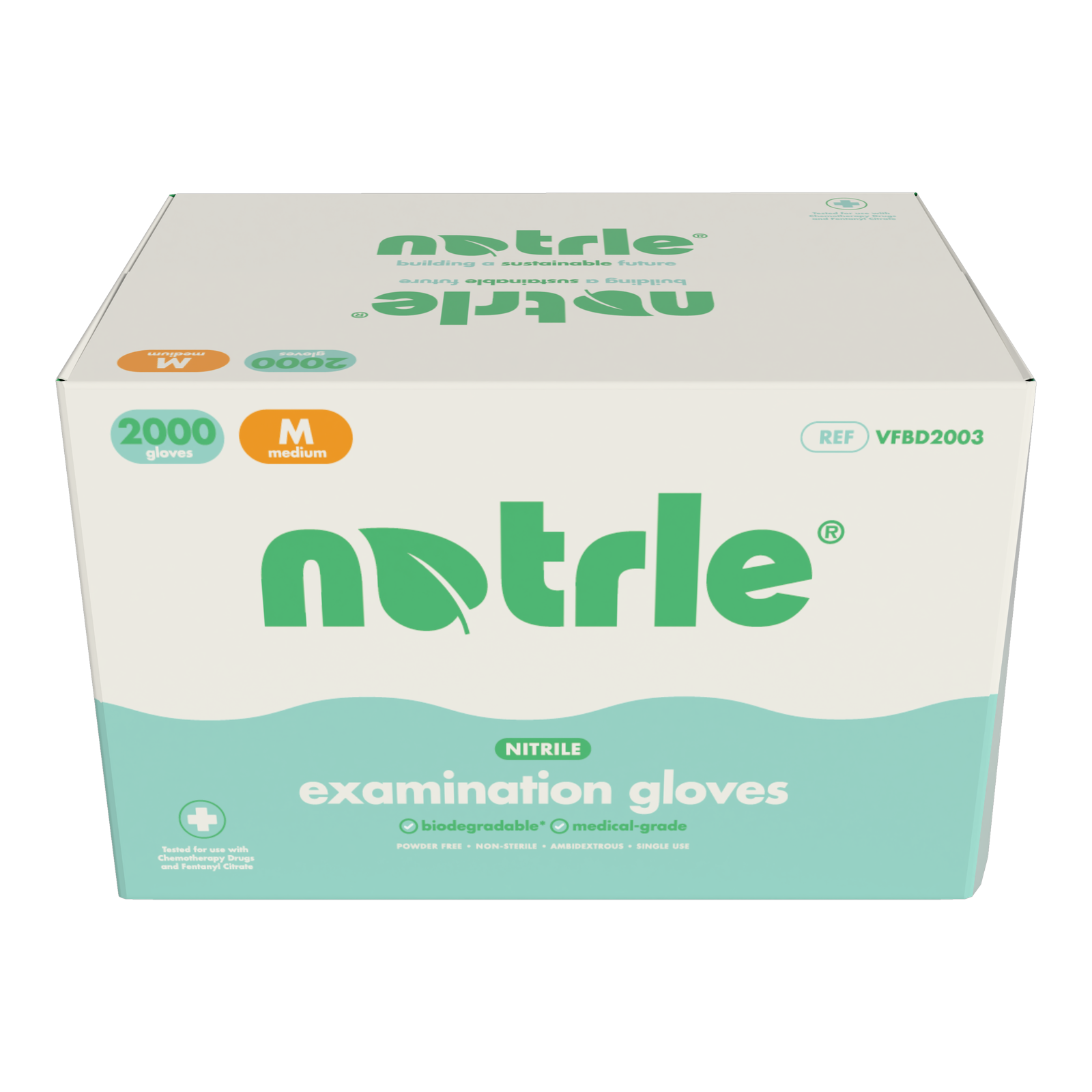
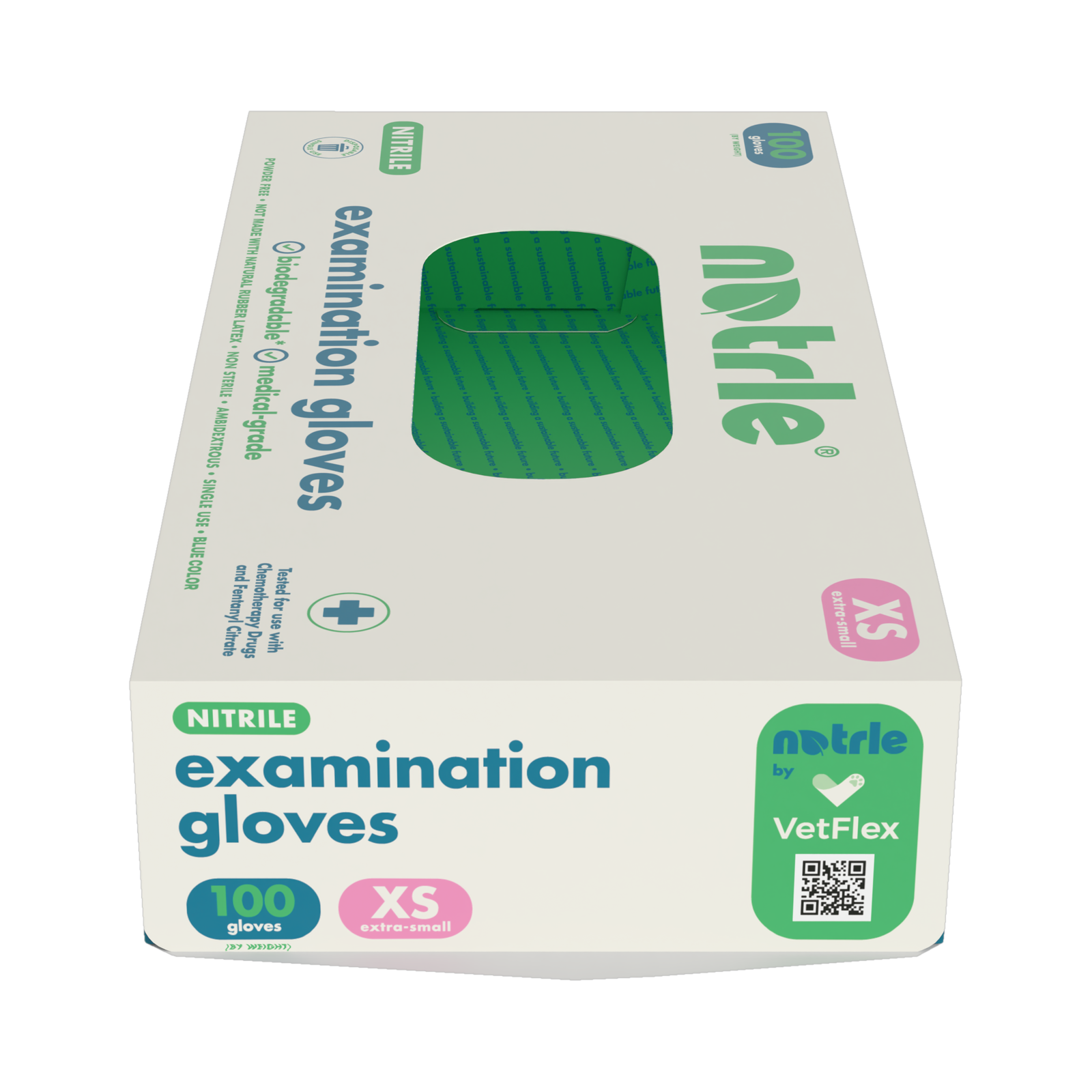
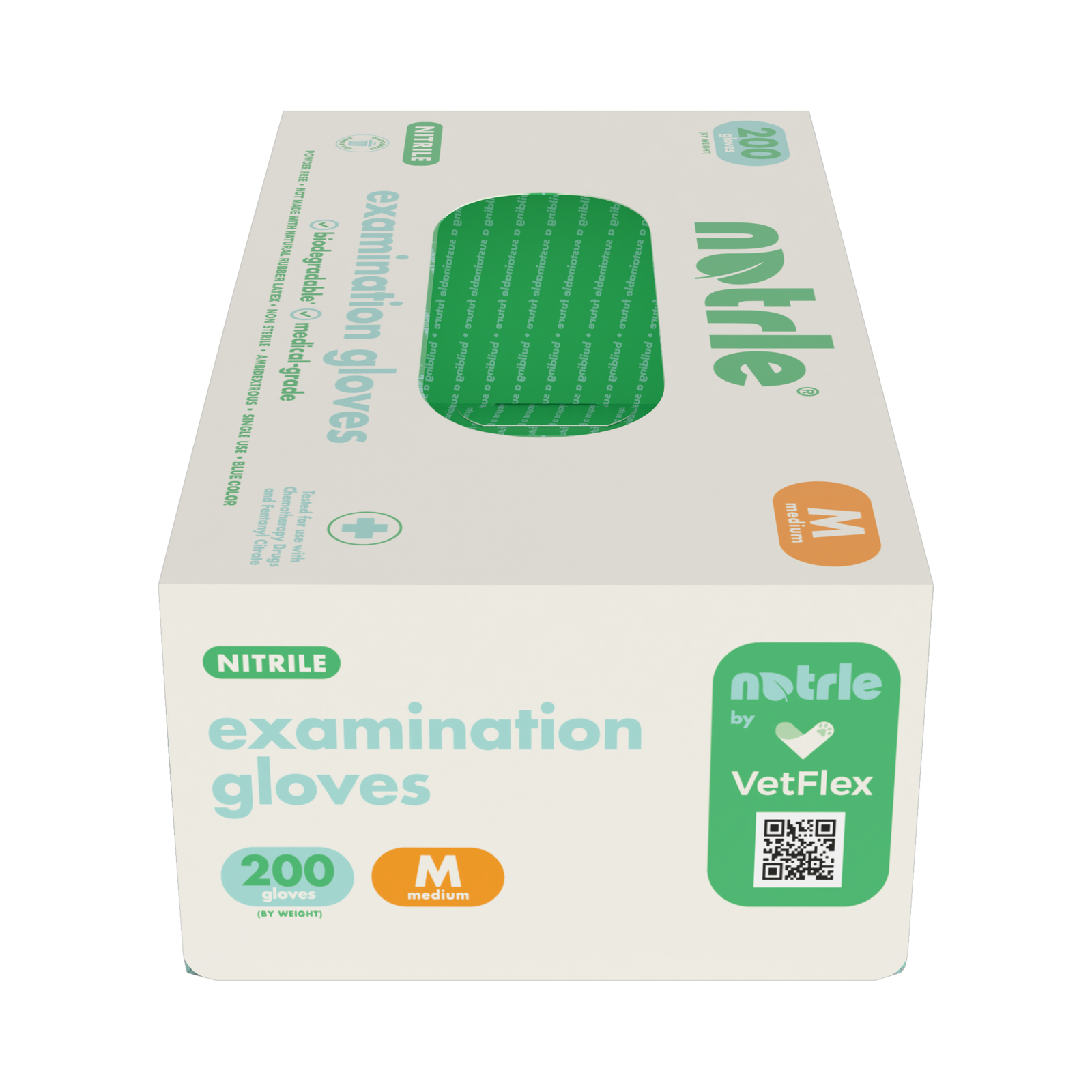
A 200 glove box can serve a treatment station, while a 2,000 glove case supplies multiple boxes for distribution around the hospital. Compare the live price per glove before deciding. Keep a size breakdown in the reorder list; a large total does not help if the most frequently used size runs short.
Take the specification to the clinical team before changing an oncology purchasing item. ASTM D6319 identifies the nitrile examination glove specification, ASTM D6978 documents the chemotherapy testing claim, and ASTM D5511 describes the landfill test conditions. Those standards answer different questions and should remain separate in the hospital’s purchasing record.
Medical grade nitrile exam gloves. Latex free, powder free, textured fingertips, violet blue, 3.0 mil.
ASTM D6978 rated against 22 chemotherapy drugs.
NATRLE reached 81% biodegradation in 490 days under ASTM D5511 landfill test conditions. Actual rates vary with landfill conditions.
Start with sizes and the actual packs you need. Compare the 200 glove box and case product pages, then request a volume review if several departments or hospitals share purchasing. Tell us your preferred delivery timing and purchasing process rather than assuming a custom order follows the same schedule as standard violet blue stock.
List the sizes used on the ER and oncology rosters. Separate department estimates before combining the order, and review the final list with the clinical lead.
Standard gloves ship within 24 hours from Missouri or California, with same day dispatch before 10 AM PT on business days. Dispatch is not a promised arrival date.
Share your hospital or corporate group, monthly volume and intended reorder timing. The bulk request opens a pop-up so the team can review your needs without changing your current cart.
Link the hospital’s pack choice to the source documents so clinical reviewers and buyers are working from the same product record.
Keep buying and clinical review connected. The NATRLE range links to the 200 glove box and 2,000 glove case. Keep the exam glove spec sheet with the purchasing record.
Hospitals working with outside teams can compare the purchasing needs described for first responders, dental offices, research labs. Review each workplace’s procedures independently rather than carrying a suitability decision from one team to another.
Extend the hospital’s documentation review with the veterinary gloves hub and sustainable veterinary practices hub. Keep the exact test conditions in any internal summary, and keep purchasing cost estimates separate from environmental claims.
Answers for clinical leads and hospital buyers reviewing pack sizes, double gloving estimates and the documentation behind a new exam glove purchasing item.
Bring your hospital’s size mix, pair-change estimate and purchasing timeline to a bulk review. Keep clinical protocols with the clinical team and use current product prices for standard packs.