Free shipping on orders $100+ · Ships within 24 hours

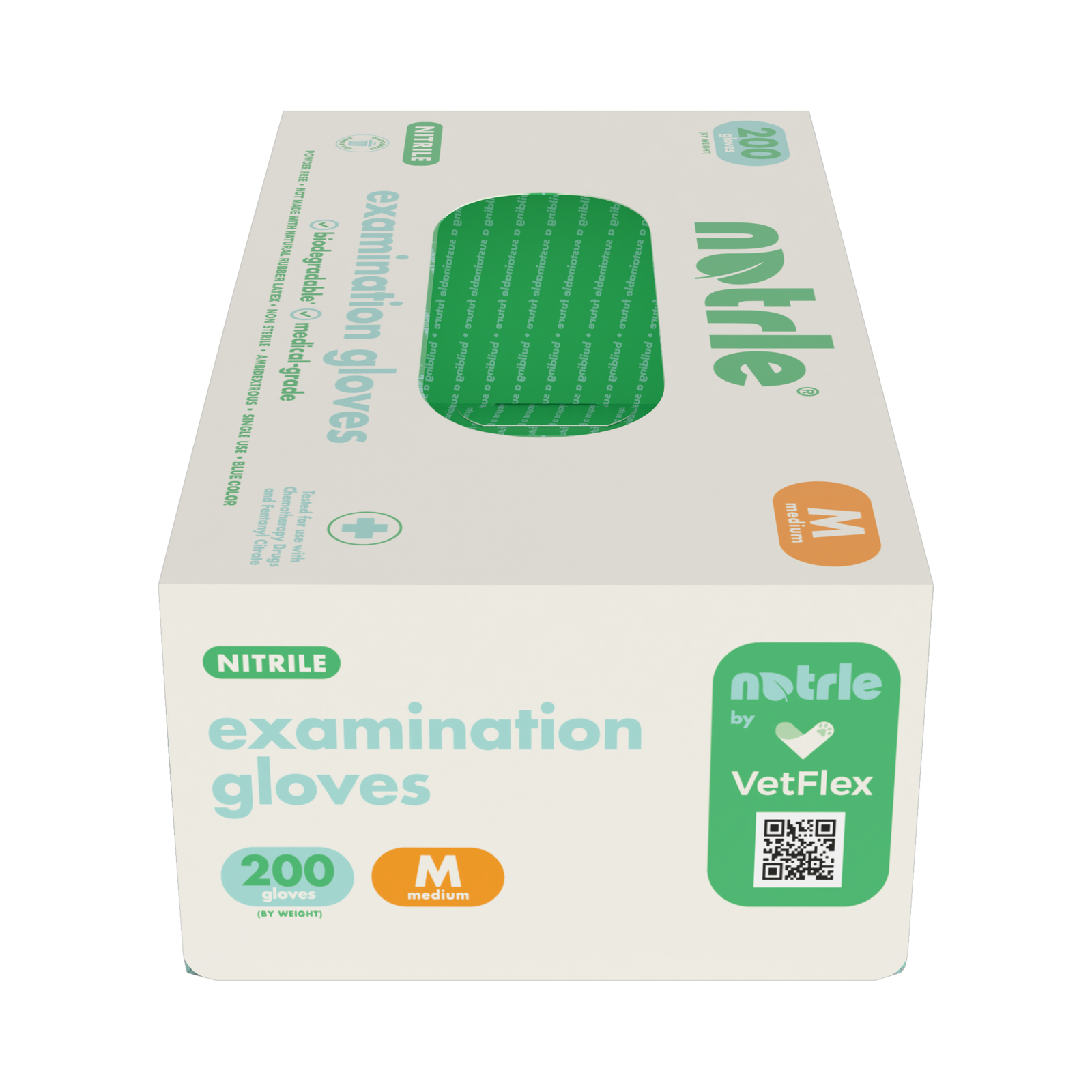
Review biodegradable lab gloves as a specific purchasing item, not a universal chemical handling solution. NATRLE nitrile exam gloves are violet blue, latex free and powder free, with textured fingertips and 3.0 mil thickness.
D6319
Exam standard
D6978
Chemo testing
200
Gloves per box
2,000
Gloves per case
Laboratory glove demand can be spread across benches, shared rooms and teaching sessions. Identify the tasks where your lab’s procedures specify examination gloves before estimating quantities. This workflow is a stock-planning aid, not a hazard assessment; it makes no claim that a nitrile exam glove is suitable for every reagent or experiment.
Include the people preparing benches and supplies in the monthly review where exam gloves are specified by the lab. Record their size mix and the stock locations used.
Ask the responsible researcher to confirm the glove requirements for the sample procedure. Keep the approved specification with the lab’s SOP and procurement item.
Where chemotherapy drugs are involved, review the documented ASTM D6978 claim with the safety lead and the actual procedure requirements. ASTM D6978 rated against 22 chemotherapy drugs. Do not extend that sentence to all reagents in a research program.
Track shared-room use separately if the staffing or schedule differs from the main research benches. Student sessions and visiting teams can change pack demand and size distribution.
A laboratory purchasing review should name the exact standard and keep its limits visible. ASTM D6978 rated against 22 chemotherapy drugs. That statement does not establish resistance to every solvent, disinfectant or reagent. For each procedure, review the laboratory’s chemical safety documentation and PPE requirements with the person authorized to approve the glove.
Record the selected product and the relevant documentation in the procedure’s purchasing notes. If a lab task requires different gloves, retain that separate item rather than consolidating everything into one SKU for convenience.
NATRLE reached 81% biodegradation in 490 days under ASTM D5511 landfill test conditions. Actual rates vary with landfill conditions. Use the named result in a green-lab purchasing review without calculating an environmental outcome for your laboratory.
For the distinction between the chemotherapy standard and general material assumptions, see the chemo rated glove guide.
Use the exam glove spec sheet as a reference for procurement, the laboratory manager and the safety reviewer. Keep ASTM D6319 exam specifications separate from chemotherapy testing under ASTM D6978 and landfill testing under ASTM D5511. None of these should be rewritten as an unsupported claim about all chemicals used in your lab.
Medical grade nitrile exam gloves. Latex free, powder free, textured fingertips, violet blue, 3.0 mil.
ASTM D6978 rated against 22 chemotherapy drugs.
NATRLE reached 81% biodegradation in 490 days under ASTM D5511 landfill test conditions. Actual rates vary with landfill conditions.
Enter the people using the approved exam glove supply and their pair changes per shift. Adjust shifts per month to the actual research schedule, not an assumed calendar. If teaching sessions or shared facilities have different usage patterns, run separate estimates before combining demand for the purchasing office.
Planning estimate, not a reorder instruction. One change means one pair, or two gloves. Count double gloving as two pair changes. Adjust shifts to your own roster. Packs are rounded up to whole units; taxes and any paid shipping are excluded.
4,000
Gloves per month
20
200 glove boxes
2
2,000 glove cases
$279.60
Estimated monthly cost
Lowest current price per glove: 2,000 glove case, $0.0699 per glove. Buy 2 whole packs for this estimate. Equal unit prices favor the larger pack, not an invented discount.
Free shipping on orders of $100+. This estimated order meets the threshold.
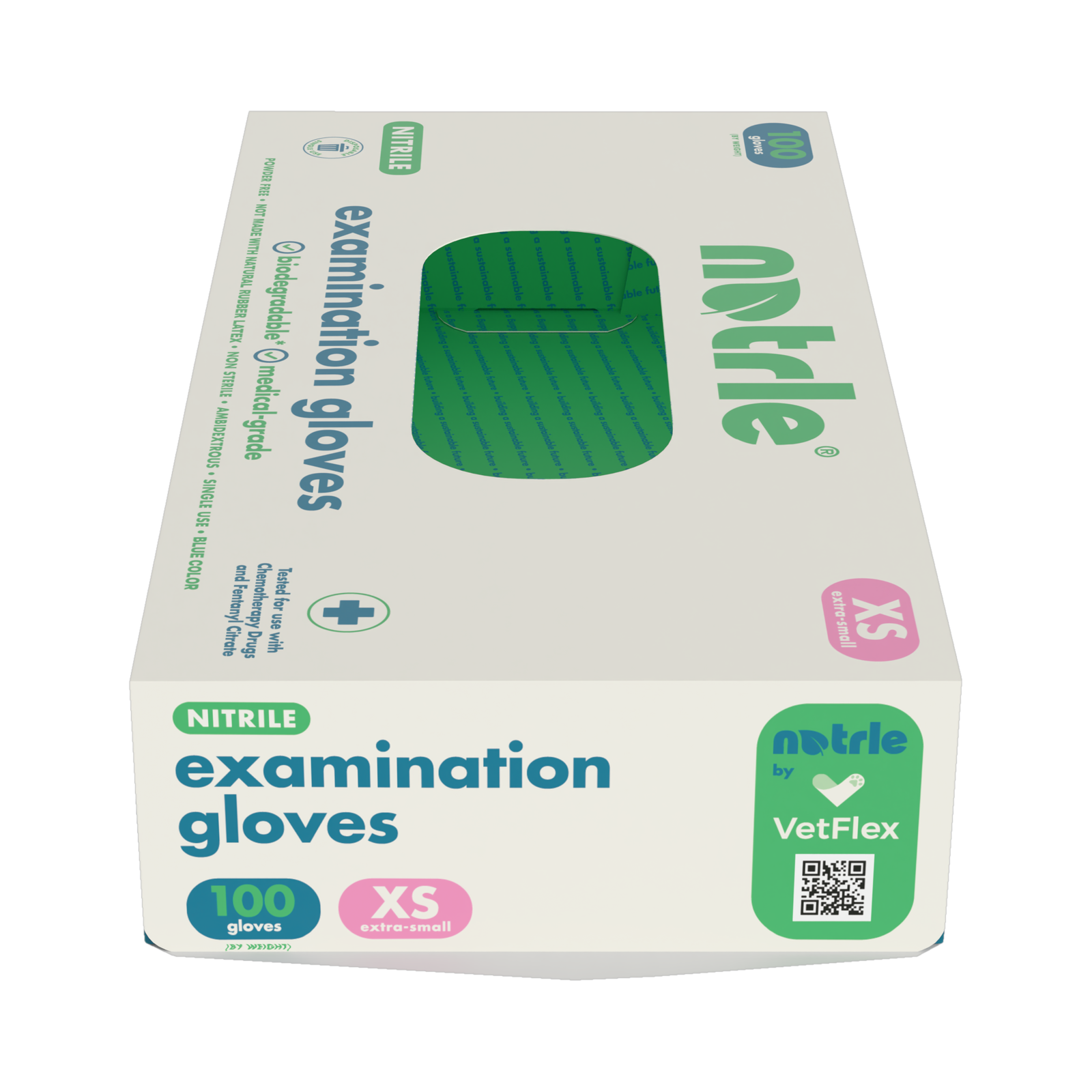
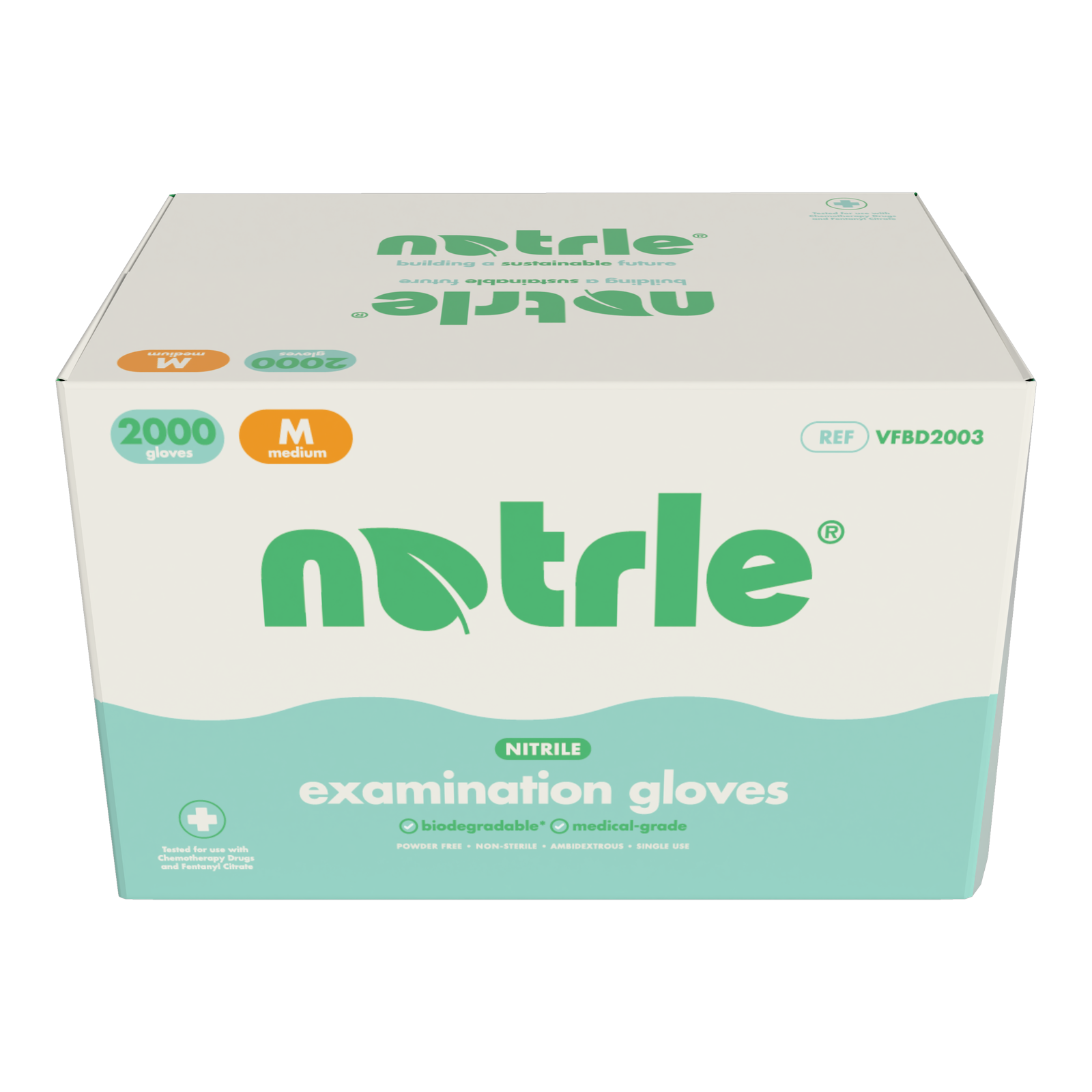
Choose packs that fit the lab’s stock locations and turnover. The 100 glove box, 200 glove box and 2,000 glove case show current prices and per glove cost. A case provides ten boxes of 200 for distribution, but the comparison does not assume that every laboratory size or storage location needs the same purchasing quantity.
University purchase orders are accepted. Include the institution or laboratory company, purchasing contact, required sizes and expected volume in your request. Standard packs can be reviewed on their product pages; multi-lab coordination and custom colors should be described in the bulk pop-up so the team can confirm the appropriate order requirements.
Collect size and pack requirements from the benches or labs included in the request. Keep separate glove specifications visible where an SOP calls for another product.
Violet blue standard gloves ship within 24 hours from Missouri or California, same day before 10 AM PT on business days. Orders of $100+ qualify for free shipping.
Use the pop-up for university purchase orders, multi-case demand or made to order options. Add the institution’s process and requested timeline so the response addresses the actual purchasing review.
Retain the approved lab procedure, product documentation and pack choice together so a procurement change does not become an unsupported task-suitability decision.
To align the lab’s purchasing item with the range, open the NATRLE range links to the 200 glove box and 2,000 glove case. Keep the exam glove spec sheet with the purchasing record.
Procurement covering other departments can review the distinct workflow guidance for veterinary er and oncology, first responders, dental offices. Review each workplace’s procedures independently rather than carrying a suitability decision from one team to another.
Research buyers separating clinical specifications from environmental evidence can consult the veterinary gloves hub and sustainable veterinary practices hub. Keep the exact test conditions in any internal summary, and keep purchasing cost estimates separate from environmental claims.
Answers for researchers, laboratory managers and university procurement teams reviewing the exact testing scope, pack quantities and purchasing requirements.
Send the approved product requirement, size mix and institution’s purchasing process. Keep chemical suitability decisions with the laboratory and use this request to review supply quantities and terms.