
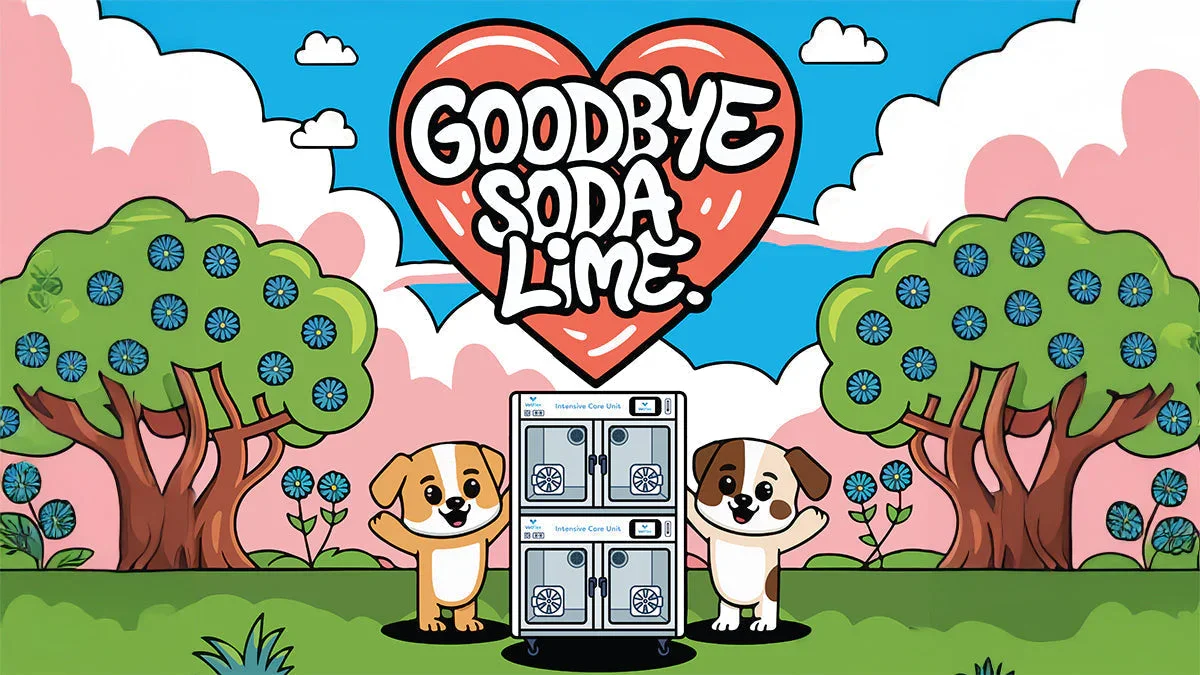
Why Soda Lime-Free Oxygen Cages Are the Future of Veterinary Care
Veterinary medicine is advancing rapidly, with an emphasis on technologies that enhance patient outcomes while reducing operational challenges. One of the most transformative innovations is the soda lime-free oxygen cage system.
Veterinary medicine is advancing rapidly, with an emphasis on technologies that enhance patient outcomes while reducing operational challenges. One of the most transformative innovations is the soda lime-free oxygen cage system.
Michael
Veterinary Equipment Specialists
Did You Know?
Fun veterinary facts
Soda lime requires replacement every 1-2 weeks, adding up to $1,500+ annually in consumable costs
— Veterinary Practice Economics
Veterinary medicine is advancing rapidly, with an emphasis on technologies that enhance patient outcomes while reducing operational challenges for clinics. One of the most transformative innovations in this space is the soda lime-free oxygen cage system, revolutionizing the way veterinary intensive care is delivered.
What Is Soda Lime, and Why Was It Used in Veterinary Oxygen Cages?
Soda lime, a chemical compound developed in the early 19th century, was introduced in the medical field to absorb CO₂ in closed systems. By the mid-20th century, veterinary clinics began using soda lime-based oxygen cages to create controlled, oxygen-enriched environments for animals in critical care.
The Major Drawbacks of Soda Lime-Based Systems
1. High Maintenance and Operational Cost
Soda lime requires frequent replacement—often weekly or bi-weekly. This results in recurring expenses and increased labor as staff must constantly monitor and replace soda lime, diverting time from patient care.
2. Inconsistent Performance
Soda lime's efficacy diminishes over time, and delays in replacement can result in CO₂ buildup, creating unsafe conditions. Even experienced staff may struggle to determine when soda lime is no longer effective.
3. Health Risks
Over time, soda lime can degrade, releasing harmful byproducts including Carbon Monoxide (CO) and Compound A, a toxic substance released when soda lime reacts with certain anesthetics.
4. Environmental Impact
Used soda lime contributes significantly to clinic waste and requires specialized disposal, increasing both operational costs and the clinic's environmental footprint.
Vet Trivia Challenge
Test your veterinary knowledge!
How long can degraded soda lime release harmful byproducts in a sealed oxygen cage?
How VetFlex Veterinary Oxygen Cages Eliminate Soda Lime Challenges
Zero Consumables
No replacement costs, streamlined operations
Integrated CO₂ Monitoring
Real-time data ensures optimal oxygen saturation
Durable Design
Medical-grade stainless steel, modular components
Patient Safety
Byproduct-free operation avoids harmful carbon monoxide
Eco-Friendly
Reduced waste, modular construction for upgrades
Smart Ventilation
Automatic fresh air exchange maintains safe CO₂ levels
"Eliminating soda lime from our workflow was a game-changer. No more worrying about replacement schedules or potential safety issues. The VetFlex system just works."
Why Soda Lime-Free Systems Are the Future of Veterinary Care
The shift toward soda lime-free oxygen cages reflects a broader trend in veterinary medicine: embracing technology that is safer, more efficient, and environmentally responsible. VetFlex veterinary oxygen cages embody this evolution.
FAQs About Soda Lime-Free Veterinary Oxygen Cages
The future of veterinary care is soda lime-free. By investing in VetFlex oxygen kennels, your clinic can embrace safer, more efficient, and sustainable practices.
Ready to eliminate soda lime from your practice?
Quick Poll
Share your experience!
What's your clinic's biggest challenge?
Download Product Specifications
Get ICU System Pricing & Specifications
Fill out the form below and our team will reach out within 24 hours.
Key Takeaways
Related Decision Guides
ICU Oxygen Cage Buying Guide
Compare features, costs, and choose the right system for your practice.
Read GuideSoda Lime vs Soda Lime-Free ICU
Understand the clinical and financial case for eliminating soda lime.
Read GuideBest Veterinary Oxygen Cage
Evaluate features, monitoring, and cost of ownership across systems.
Read GuideICU & Critical Care Equipment
How did you find this article?
Was this article helpful?
Your feedback helps us understand what content matters most to you.
Explore More Clinical Resources
Veterinary Oxygen Therapy Guide
Oxygen therapy is a cornerstone of veterinary critical care. Whether managing post-surgical recovery, respiratory distress, or chronic conditions, understanding oxygen delivery systems and best practices helps veterinary teams provide better patient outcomes.
Explore this topicSustainable Veterinary Practices Hub
Sustainability in veterinary medicine is evolving rapidly. From biodegradable exam gloves to soda lime-free ICU systems, veterinary hospitals have growing options to reduce their environmental footprint.
Explore this topicRelated Clinical Insights
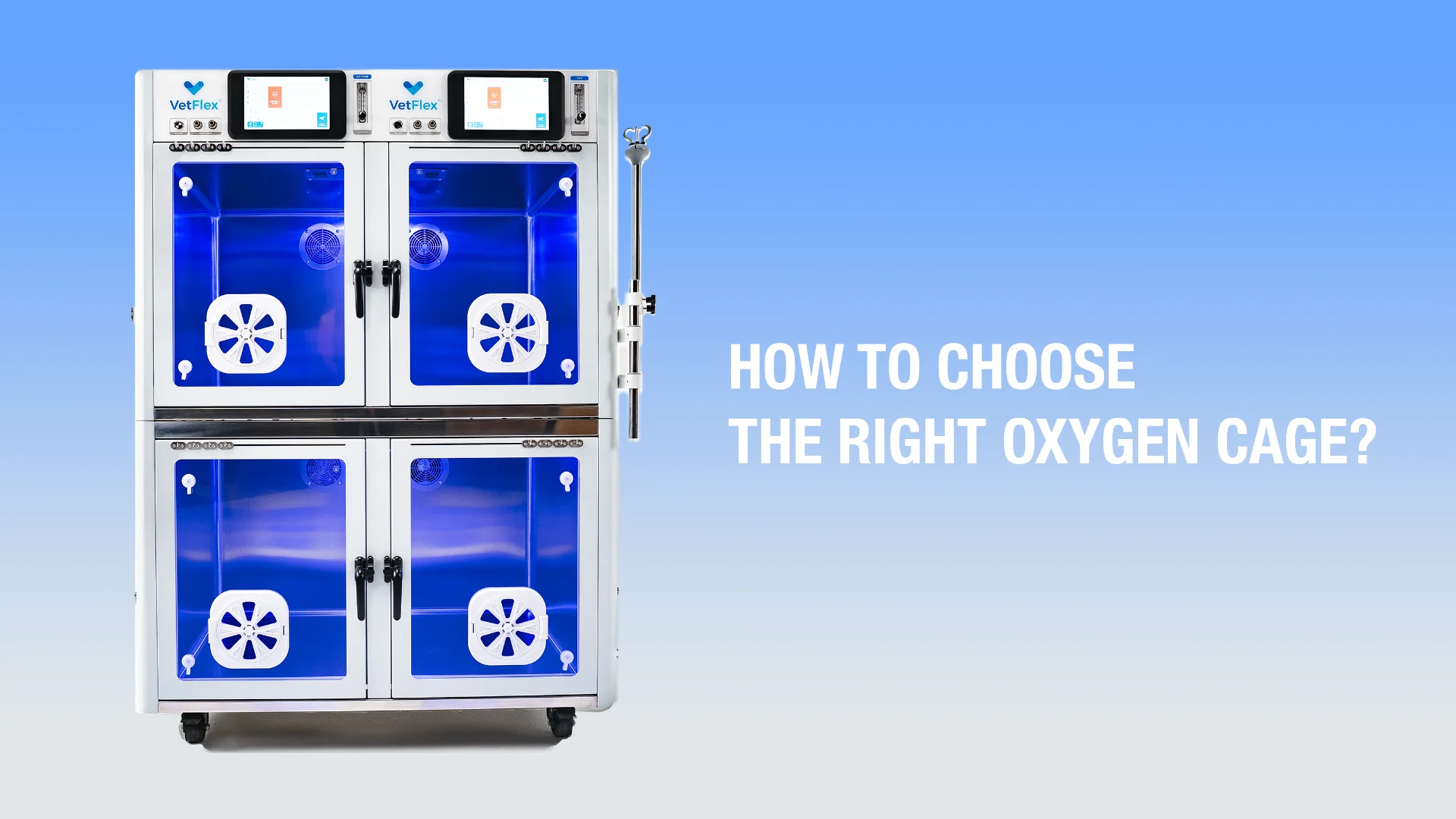
How to Choose the Right Veterinary Oxygen Cage for Your Practice
A practical guide to evaluating veterinary oxygen cages based on monitoring capabilities, environmental controls, durability, and total cost of ownership for clinics of all sizes.
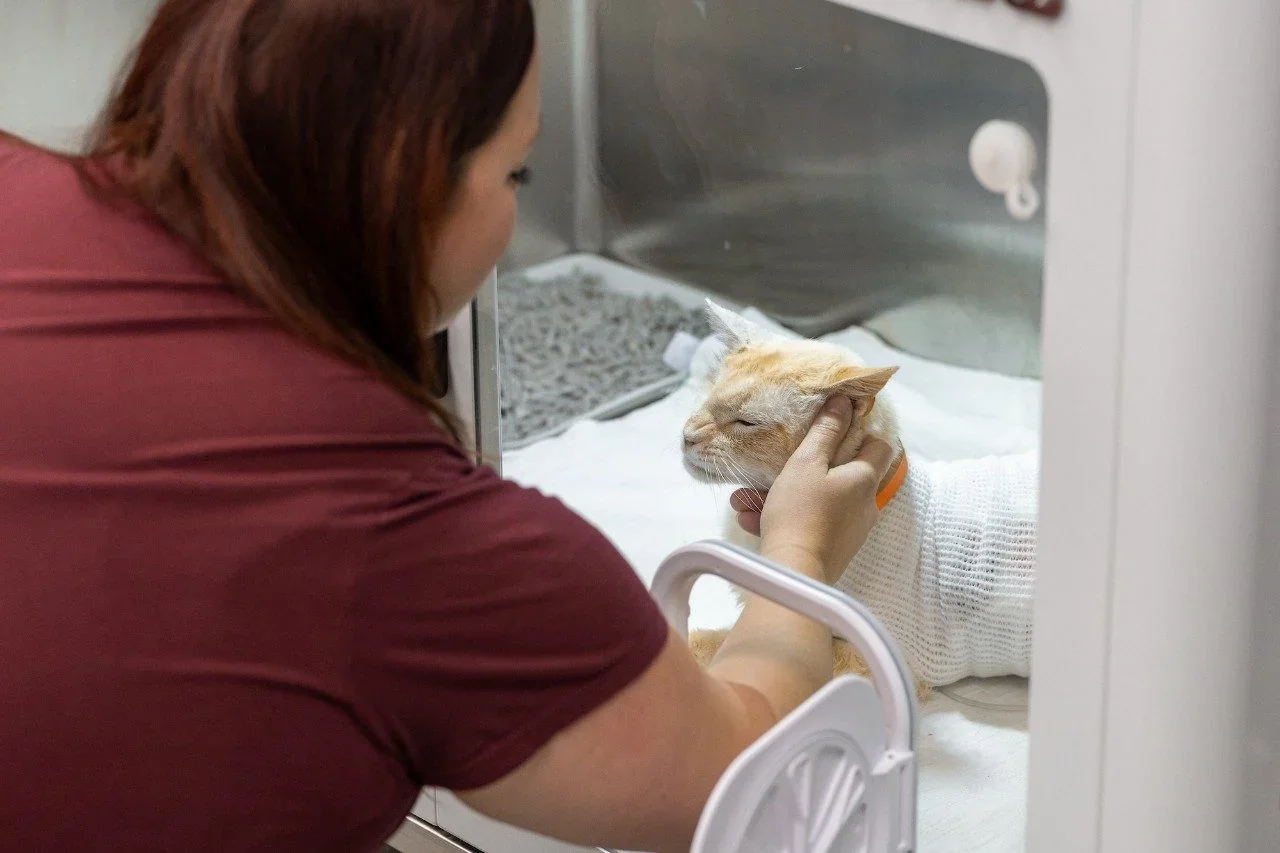
How Virginia Tech Is Using VetFlex Oxygen Cage Technology to Transform Veterinary Oxygen Care
Virginia–Maryland College of Veterinary Medicine at Virginia Tech has officially installed the VetFlex ICU oxygen cage system in their state-of-the-art Veterinary Teaching Hospital, marking a huge step forward for animal health.
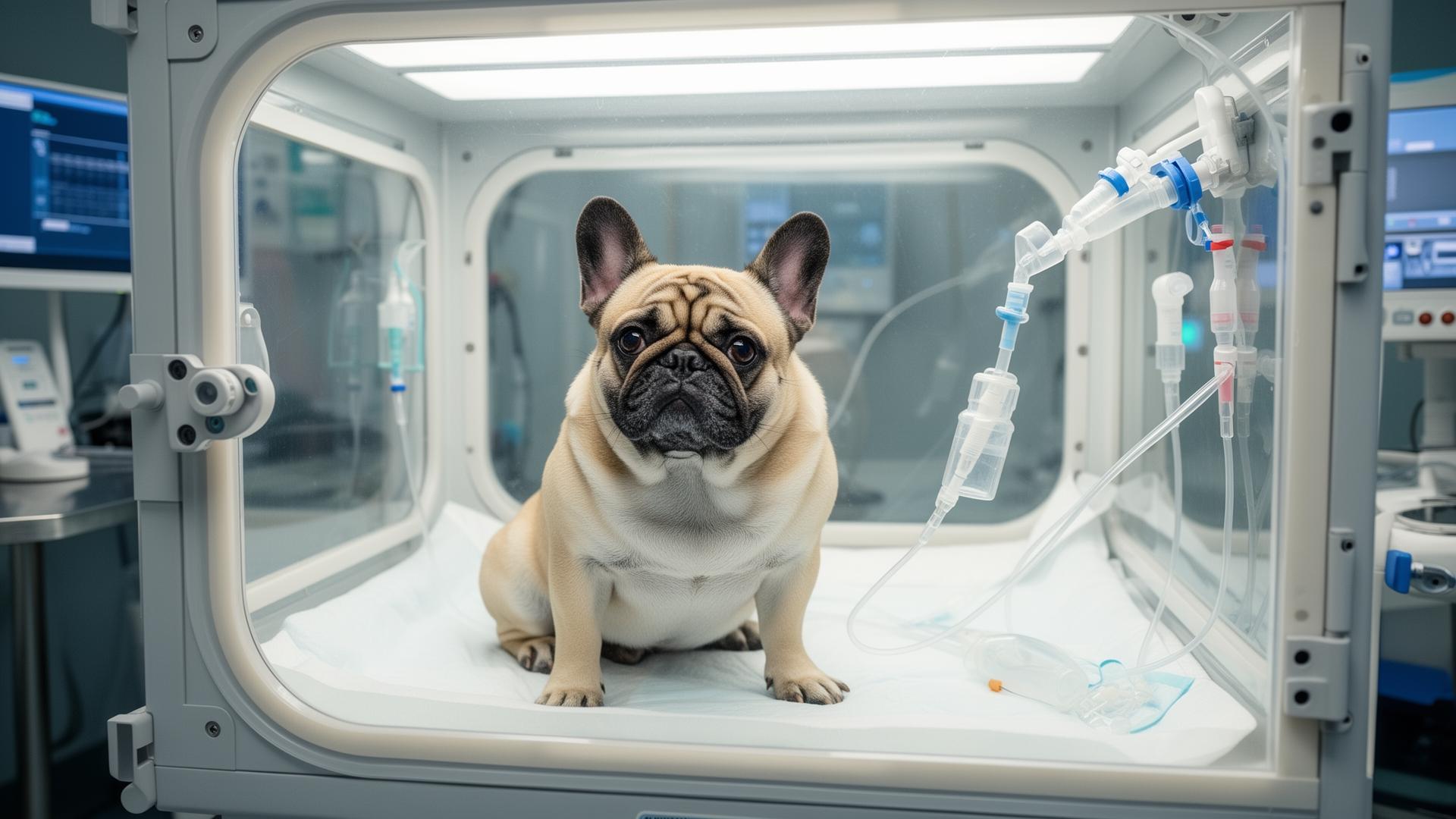
Brachycephalic Dogs and Oxygen Cages: Supporting Flat-Faced Breeds in Respiratory Distress
A clinical guide to managing brachycephalic respiratory emergencies with veterinary oxygen cages, covering BOAS pathophysiology, treatment protocols, and ICU equipment selection.
Browse the VetFlex Knowledge Center
Explore comprehensive clinical resource hubs curated for veterinary professionals.
Veterinary Oxygen Therapy Resource Hub
Oxygen therapy is a cornerstone of veterinary critical care. Whether managing post-surgical recovery, respiratory distress, or chronic conditions, understanding oxygen delivery systems and best practices helps veterinary teams provide better patient outcomes.
Veterinary ICU Cage Systems Resource Hub
Modern veterinary ICU cage systems play a critical role in patient recovery. From oxygen delivery to temperature control, the right ICU environment significantly affects outcomes.
Veterinary Gloves Resource Hub
Choosing the right gloves impacts infection control, tactile sensitivity, and environmental responsibility. This hub covers exam gloves, surgical gloves, and sustainable options.
Sustainable Veterinary Practices Resource Hub
Sustainability in veterinary medicine is evolving rapidly. From biodegradable exam gloves to soda lime-free ICU systems, veterinary hospitals have growing options to reduce their environmental footprint.
What You'll Learn
- What Is Soda Lime, and Why Was It Used in Veterinary Oxygen Cages?
- The Major Drawbacks of Soda Lime-Based Systems
- 1. High Maintenance and Operational Cost
- 2. Inconsistent Performance
Trending Topics
Most Popular
How Veterinary Oxygen Delivery Systems Work
Oxygen Concentrator vs Tank: Cost Comparison for Veterinary Hospitals
Optimizing the Veterinary ICU: Avoiding Common Setup Mistakes
Optimizing Patient Recovery: How Modern Veterinary ICU Oxygen Cages Work
How to Choose the Right Veterinary Oxygen Cage for Your Practice
Get The Flex
Veterinary insights, product updates, and Natrle news—delivered to your inbox.
