
Optimizing Patient Recovery: How Modern Veterinary ICU Oxygen Cages Work
Explore the clinical mechanics of modern ICU oxygen therapy, focusing on ventilation technology, pathogen control, and environmental stability for critical patients.
Explore the clinical mechanics of modern ICU oxygen therapy, focusing on ventilation technology, pathogen control, and environmental stability for critical patients.
VetFlex Team
Veterinary Equipment Specialists
How a Veterinary Oxygen Cage Works in Clinical Settings
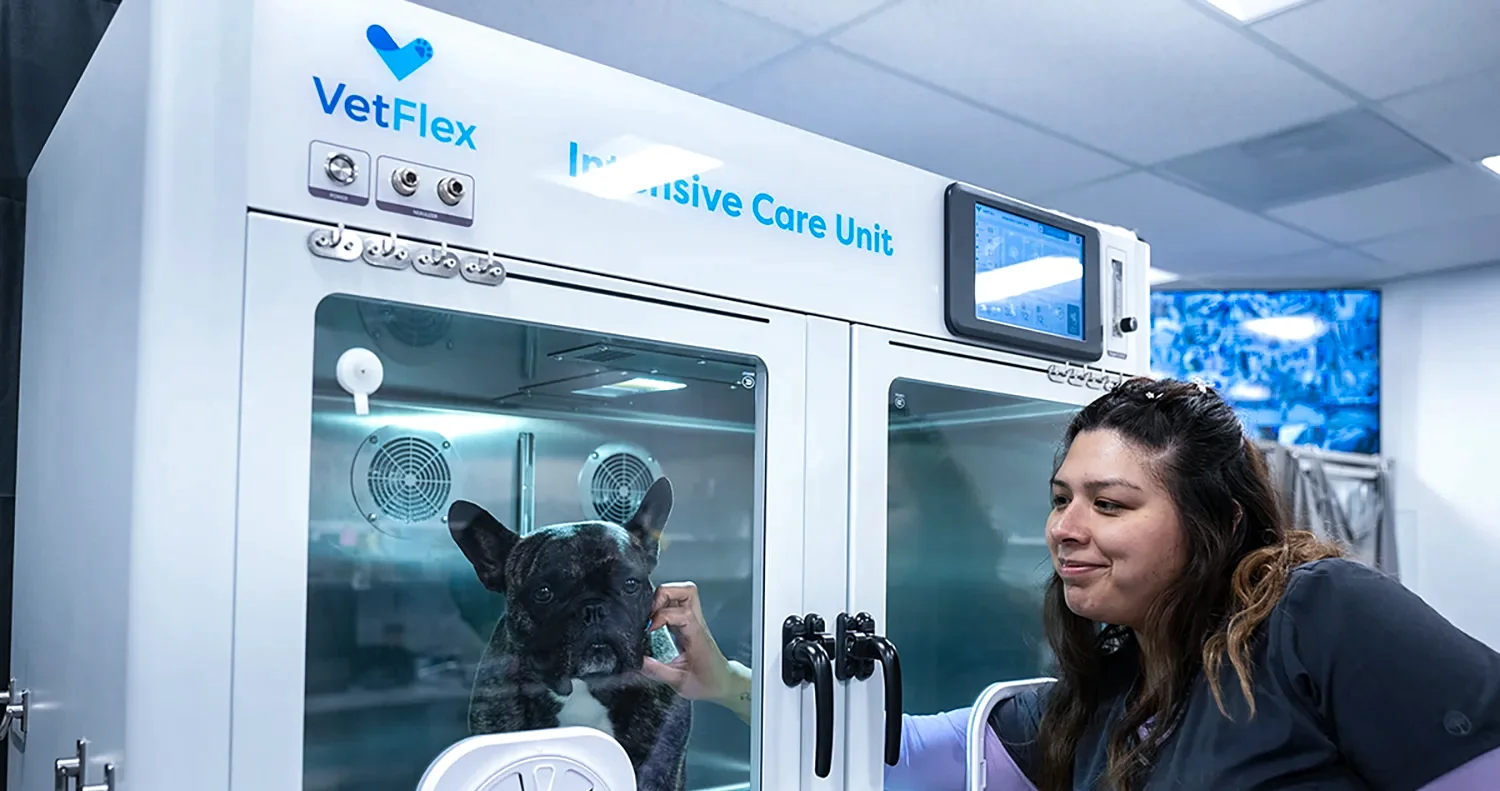
A veterinary oxygen cage is a sealed, climate-controlled enclosure that delivers precise concentrations of supplemental oxygen to critically ill or recovering animal patients. Understanding how a veterinary oxygen cage works is essential for any clinic providing emergency or post-operative care. These systems regulate FiO2 (Fraction of Inspired Oxygen), temperature, humidity, and air quality inside a single unit—creating a controlled therapeutic environment that supports respiratory stabilization without requiring manual restraint or sedation.
Why Veterinary Clinics Use Oxygen Cages in Critical Care
Oxygen cages have become a cornerstone of veterinary critical care because they address multiple clinical scenarios simultaneously. Unlike masks or nasal cannulas, an oxygen cage provides hands-free, stress-free oxygen delivery—an important distinction for patients that are anxious, combative, or too fragile for manual handling.
The most common clinical indications include:
- Respiratory distress — pneumonia, pleural effusion, pulmonary edema, and acute respiratory failure all benefit from controlled FiO2 environments.
- Post-operative recovery — patients recovering from thoracic or abdominal surgery require stable oxygenation without the stress of mask application.
- Trauma stabilization — hit-by-car injuries, bite wounds to the thorax, and diaphragmatic hernias often present with compromised ventilation.
- Brachycephalic patients — breeds like Bulldogs, Pugs, and Persian cats are predisposed to upper airway obstruction and benefit significantly from supplemental oxygen in a low-stress enclosure.
Brachycephalic breeds account for a disproportionate share of veterinary oxygen therapy cases. Learn more in our guide to supporting flat-faced breeds in respiratory distress.
How a Veterinary Oxygen Cage Delivers Supplemental Oxygen
The primary function of a veterinary oxygen cage is to create a sealed internal environment where oxygen concentration can be precisely regulated. Oxygen enters the cage from an external source—typically an oxygen concentrator or central pipeline—and is circulated throughout the chamber. Sophisticated flow meters and sensors maintain a consistent FiO2 tailored to the patient's needs, preventing both hypoxia and oxygen toxicity.
The sealed design minimizes leaks, maximizing efficiency and patient safety. This controlled atmosphere is vital for animals struggling to maintain adequate oxygen levels through normal respiration, providing the respiratory support necessary for stabilization and recovery.
Did You Know?
Fun veterinary facts
Oxygen toxicity can occur when animals are exposed to high concentrations of oxygen (FiO2 > 60%) for prolonged periods, potentially leading to lung damage. Precise FiO2 control is critical.
— Journal of Veterinary Emergency and Critical Care
Environmental Control: Temperature, Humidity, and Air Quality
An effective ICU oxygen cage does more than deliver oxygen—it controls the entire internal environment. Patients in respiratory distress are highly sensitive to variations in temperature and humidity. Modern systems maintain a stable thermal neutral zone, preventing hypothermia or hyperthermia. Humidity regulation keeps airways moist and prevents mucosal irritation, which is especially important for patients with upper respiratory conditions.
Equally critical is CO2 management. Exhaled carbon dioxide and airborne contaminants can accumulate rapidly in a sealed enclosure. State-of-the-art oxygen cages incorporate air purification systems to remove CO2, ammonia, and pathogens, ensuring a clean breathing environment.
Maintaining a stable thermal neutral zone is critical for critically ill animals, reducing metabolic demands and physiological stress during recovery.
Compare ICU oxygen cage options and see what clinics consider when evaluating systems.
Soda Lime-Free Technology: How AERAFLOW Changes Veterinary Oxygen Cage Operation
One of the most significant advancements in how veterinary oxygen cages work is the elimination of soda lime. Traditionally, soda lime has been used to absorb exhaled CO2. While effective, it requires frequent replacement, generates chemical waste, and poses handling risks. AERAFLOW™ technology bypasses this entirely by employing an active, continuous CO2 removal system that scrubs the air without chemical consumables.
This innovation removes the recurring cost of soda lime—often exceeding $3,000 annually—while eliminating chemical exposure risks for both patients and staff. For clinics committed to sustainable operations, it also significantly reduces hazardous waste generation.
| Feature | Traditional Cage (Soda Lime) | AERAFLOW™ System |
|---|---|---|
| CO2 Removal | Chemical absorption (soda lime) | Active, continuous filtration |
| Consumable Cost | High (frequent replacement) | None for CO2 removal |
| Maintenance | Frequent handling and disposal | Minimal — no chemical handling |
| Chemical Exposure Risk | Present | None |
| Environmental Impact | Higher (chemical waste) | Lower — no consumables |
How Oxygen Cages Compare to Other Oxygen Delivery Methods
Clinicians have several options for delivering supplemental oxygen, each suited to different clinical scenarios. Understanding where oxygen cages fit within this spectrum helps practices make informed equipment decisions.
| Method | Best For | Limitations |
|---|---|---|
| Oxygen Cage | Hands-free, extended therapy; stress-sensitive or brachycephalic patients | Higher initial cost; requires dedicated floor space |
| Oxygen Mask | Short-term, high-flow supplementation during procedures | Requires manual restraint; stressful for anxious patients |
| Flow-By / Open Oxygen | Immediate stabilization in triage | Wasteful; inconsistent FiO2; no environmental control |
| Nasal Cannula | Ambulatory patients; lower FiO2 needs | Requires patient tolerance; risk of displacement |
| Central Oxygen System | Multi-station hospital delivery | Infrastructure cost; does not replace individual patient enclosures |
For most critical care workflows, oxygen cages provide the most consistent, lowest-stress method of sustained oxygen therapy. They are particularly advantageous when patients require hours or days of supplementation without continuous manual intervention.
Silent Operation and Ion Sterilization
Environmental stressors—particularly noise—can significantly hinder recovery in critically ill animals. Modern ICU oxygen cages operate below 40 decibels, creating a quiet environment that promotes rest and reduces anxiety. Complementing this, integrated ion sterilization actively purifies the air, neutralizing bacteria, viruses, and odors without harsh chemicals.
"Since implementing VetFlex ICU oxygen cages, we've seen a noticeable decrease in patient stress levels and improved recovery times. The quiet operation and soda lime-free technology have been a game-changer for our critical care unit."
Economic and Operational Benefits for Veterinary Practices
Beyond direct patient care, modern veterinary oxygen cages offer significant financial and operational advantages. Eliminating soda lime alone can save over $3,000 annually. Reduced maintenance requirements and enhanced reliability free up staff time, allowing technicians and veterinarians to focus on patient care rather than equipment upkeep. The robust design ensures long-term durability, minimizing repair costs and providing consistent, high-quality support for years.
For guidance on maintaining peak performance from your ICU equipment, see our article on ICU equipment maintenance best practices.
If your practice sees a high volume of brachycephalic patients, our dedicated guide on supporting flat-faced breeds in oxygen cages covers breed-specific protocols.
Quick Poll
Share your experience!
What is the most important factor when evaluating an oxygen cage for your clinic?
Frequently Asked Questions About Veterinary Oxygen Cages
How does a veterinary oxygen cage work?
What oxygen levels can oxygen cages provide?
When should a clinic use an oxygen cage?
Are oxygen cages better than masks for oxygen therapy?
What is soda lime-free oxygen cage technology?
Conclusion: Elevating Critical Care With Modern Oxygen Cage Technology
Understanding how a veterinary oxygen cage works reveals a sophisticated integration of oxygen delivery, environmental control, CO2 management, and patient comfort features. Modern systems like VetFlex ICU cages with AERAFLOW™ technology represent a meaningful leap forward—delivering better outcomes for patients while reducing operational costs and chemical waste for practices. For clinics evaluating their critical care capabilities, the oxygen cage remains the foundation of effective respiratory support.
Ready to evaluate ICU oxygen cage options for your clinic? Our buying guide breaks down what to look for, how systems compare, and what clinics are choosing.
Download Product Specifications
Get ICU System Pricing & Specifications
Fill out the form below and our team will reach out within 24 hours.
Related Decision Guides
ICU Oxygen Cage Buying Guide
Compare features, costs, and choose the right system for your practice.
Read GuideSoda Lime vs Soda Lime-Free ICU
Understand the clinical and financial case for eliminating soda lime.
Read GuideBest Veterinary Oxygen Cage
Evaluate features, monitoring, and cost of ownership across systems.
Read GuideICU & Critical Care Equipment
How did you find this article?
Was this article helpful?
Your feedback helps us understand what content matters most to you.
Related Clinical Insights
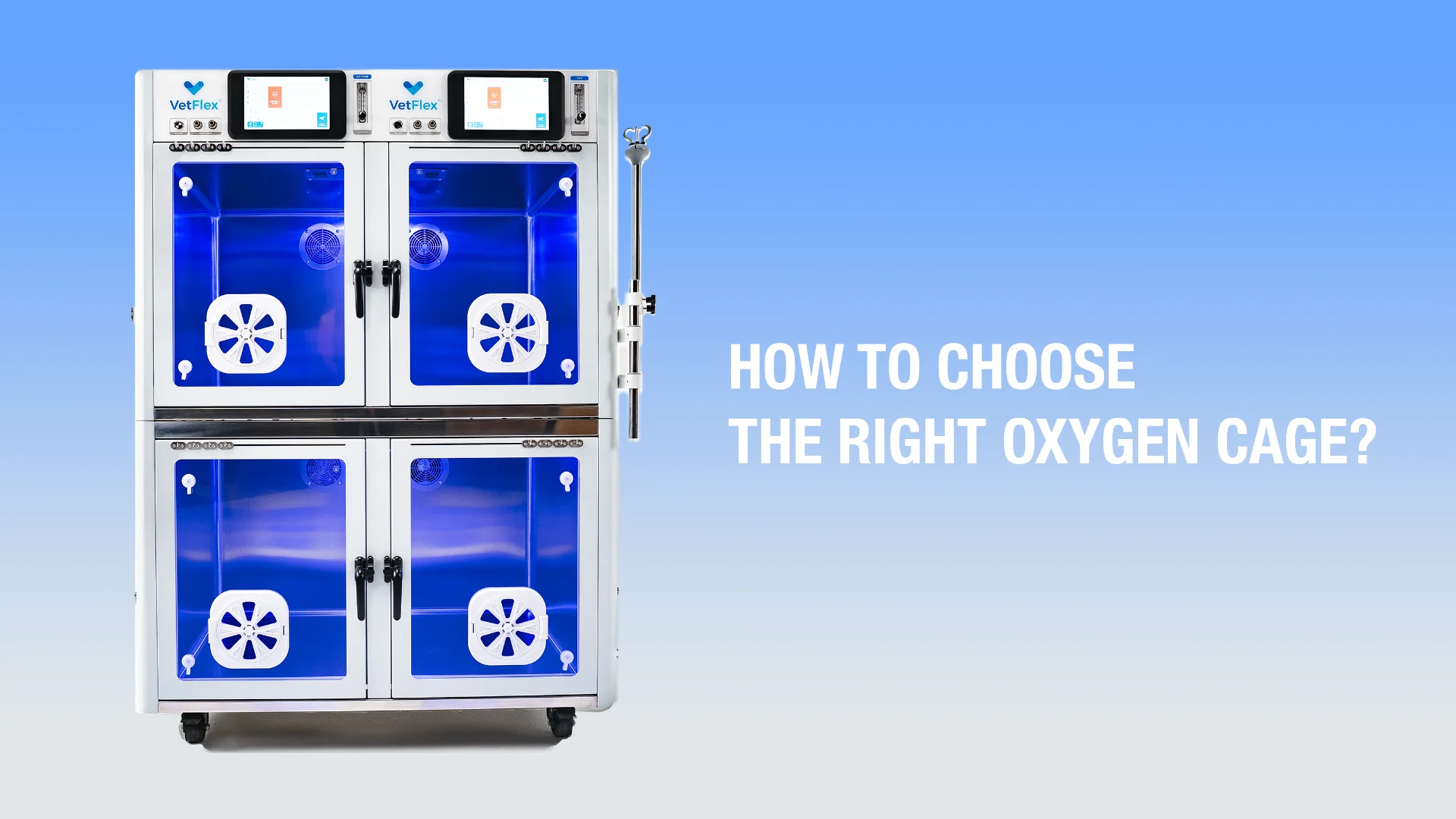
How to Choose the Right Veterinary Oxygen Cage for Your Practice
A practical guide to evaluating veterinary oxygen cages based on monitoring capabilities, environmental controls, durability, and total cost of ownership for clinics of all sizes.

Veterinary Oxygen Supply Options: Concentrator, Central, and Tank Guide
A decision-making guide comparing veterinary oxygen concentrators, centralized oxygen systems, and tanks based on cost, capacity, safety, and clinical workflow.

ICU Equipment Maintenance: Reduce Downtime, Cut Costs, and Protect Patient Safety
A complete veterinary ICU equipment maintenance guide covering daily, weekly, monthly, and quarterly protocols that reduce emergency repair costs, extend equipment life, and protect patient safety.
Browse the VetFlex Knowledge Center
Explore comprehensive clinical resource hubs curated for veterinary professionals.
Veterinary Oxygen Therapy Resource Hub
Oxygen therapy is a cornerstone of veterinary critical care. Whether managing post-surgical recovery, respiratory distress, or chronic conditions, understanding oxygen delivery systems and best practices helps veterinary teams provide better patient outcomes.
Veterinary ICU Cage Systems Resource Hub
Modern veterinary ICU cage systems play a critical role in patient recovery. From oxygen delivery to temperature control, the right ICU environment significantly affects outcomes.
Veterinary Gloves Resource Hub
Choosing the right gloves impacts infection control, tactile sensitivity, and environmental responsibility. This hub covers exam gloves, surgical gloves, and sustainable options.
Sustainable Veterinary Practices Resource Hub
Sustainability in veterinary medicine is evolving rapidly. From biodegradable exam gloves to soda lime-free ICU systems, veterinary hospitals have growing options to reduce their environmental footprint.
What You'll Learn
- Explore the clinical mechanics of modern ICU oxygen therapy, focusing on ventilation technology, pathogen control, and environmental stability for critical patients
Trending Topics
Most Popular
How Veterinary Oxygen Delivery Systems Work
Oxygen Concentrator vs Tank: Cost Comparison for Veterinary Hospitals
Optimizing the Veterinary ICU: Avoiding Common Setup Mistakes
Optimizing Patient Recovery: How Modern Veterinary ICU Oxygen Cages Work
How to Choose the Right Veterinary Oxygen Cage for Your Practice
Get The Flex
Veterinary insights, product updates, and Natrle news—delivered to your inbox.
