
ICU Equipment Maintenance: Reduce Downtime, Cut Costs, and Protect Patient Safety
A complete veterinary ICU equipment maintenance guide covering daily, weekly, monthly, and quarterly protocols that reduce emergency repair costs, extend equipment life, and protect patient safety.

VetFlex Editorial Team
Veterinary Equipment Specialists
A ventilator alarm fails at 2 AM. Your oxygen concentrator output has dropped 15% because no one changed the filter. An uncalibrated SpO2 sensor reads 96% when the patient is actually at 88%. These are not hypothetical scenarios. They happen in veterinary ICUs every week, and they are preventable. Equipment failure is cited in 12% of adverse anesthetic events, and emergency repairs cost 3-5x more than scheduled maintenance. A structured maintenance program is not optional; it is a direct investment in patient outcomes and operational stability.
Explore VetFlex ICU systems with built-in diagnostics and low-maintenance design.
View ICU SystemsWhy ICU Equipment Maintenance Directly Impacts Your Bottom Line
Neglected maintenance creates three cost centers: emergency repairs, equipment replacement, and clinical liability. A single emergency service call can cost $1,500 to $3,000. Equipment that should last 10 years fails at 6. And calibration drift leads to clinical decisions based on inaccurate data, creating patient risk and potential liability.
Why Clinics Are Prioritizing Preventive Maintenance
- Emergency repairs cost 3-5x more than scheduled service and cause unpredictable downtime
- Calibration drift leads to incorrect clinical decisions without visible warning signs
- Equipment lifespan extends 40% or more with consistent preventive protocols
- Staff confidence increases when equipment reliability is predictable
- Insurance and accreditation bodies increasingly require documented maintenance programs
Daily Maintenance Checklist: 5 Minutes That Prevent Emergencies
Start each day with a structured equipment check. This routine catches problems before they compromise patient care during critical cases.
- Visual inspection of all cables and connections for wear or damage
- Verify alarm settings are appropriate and audible
- Check oxygen concentrator output levels and flow rates
- Confirm monitor displays are clear, responsive, and showing current data
- Test suction equipment for adequate vacuum strength
- Inspect IV pump line threading and alert functionality
Create a laminated daily checklist and mount it in your ICU. Assign responsibility to specific team members on a rotating basis to ensure accountability.
Weekly Deep Maintenance Protocol
Weekly maintenance addresses areas where issues accumulate gradually. Schedule this during a slower period and treat it as non-negotiable.
Filter Inspection and Cleaning
Oxygen concentrators, ventilators, and HVAC units all have filters that require weekly attention. A single clogged filter can reduce oxygen concentration output by up to 15%, enough to compromise patient oxygenation in critical cases.
Sensor Verification
Test SpO2 sensors, capnography modules, and temperature probes against known standards. Document any drift and recalibrate as needed. Undetected sensor drift is one of the most common causes of inappropriate clinical interventions.
Battery Testing
Portable monitors, defibrillators, and infusion pumps rely on batteries. Test capacity under load and replace batteries approaching end of life. A dead battery during a power outage can be catastrophic.
ICU Cage and Enclosure Inspection
Inspect seals, latches, oxygen delivery ports, and temperature control systems for proper function. Verify that environmental controls maintain target ranges.
Documentation Review
Review the week's equipment logs for noted issues. Address patterns before they become failures.
Monthly Calibration Protocol
Monthly calibration ensures monitoring equipment provides the accurate readings your clinical decisions depend on.
| Equipment | Calibration Method | Acceptable Tolerance | Action if Out of Range |
|---|---|---|---|
| SpO2 Monitor | Known saturation sample | ±2% | Replace sensor or service unit |
| Capnograph | Calibration gas | ±2 mmHg | Recalibrate or service |
| BP Monitor | Mercury standard | ±5 mmHg | Verify cuff size, then service |
| Thermometer | Ice water/boiling water | ±0.5°F | Replace probe |
What to Evaluate When Assessing Your Maintenance Program
Not all maintenance programs are equal. Evaluate yours against these criteria to identify gaps before equipment failures expose them.
Documentation
Every maintenance action is logged with date, findings, and technician. No verbal-only handoffs.
Accountability
Specific staff members are assigned to specific equipment on a rotating schedule.
Escalation Protocol
Clear criteria for when to attempt in-house repair vs. calling professional service.
Budget Allocation
Dedicated maintenance budget separate from capital equipment, with replacement reserves.
VetFlex ICU systems are designed for minimal maintenance with built-in diagnostics, AERAFLOW™ technology that eliminates soda lime consumables, and annual filter-only service schedules.
Compare ICU SystemsHow VetFlex ICU Systems Reduce Maintenance Burden
Traditional ICU systems require weekly soda lime canister changes, chemical waste disposal, and frequent filter replacements. VetFlex ICU systems with AERAFLOW™ technology eliminate soda lime entirely, replacing chemical CO2 absorption with continuous air exchange. The result: zero chemical consumables, zero hazardous waste disposal, and maintenance reduced to annual filter changes.
- AERAFLOW™ eliminates soda lime canisters and associated weekly maintenance
- STERILION™ ion sterilization reduces manual disinfection frequency
- Built-in monitoring alerts staff to any environmental parameter drift
- Medical-grade stainless steel construction withstands aggressive cleaning protocols
- 30-minute backup battery provides continuity during power interruptions
Cost and Operational Impact of Preventive Maintenance
| Cost Factor | Reactive Approach | Preventive Program |
|---|---|---|
| Annual Consumable Cost | $1,500-3,000 (soda lime alone) | $150 (filters only) |
| Emergency Repair Frequency | 2-4x per year typical | Reduced 80%+ with preventive program |
| Staff Time on Maintenance | Weekly chemical handling + disposal | Annual filter swap |
| Equipment Lifespan | 6-8 years average | 10-12 years with proper care |
When to Invest in Equipment Upgrades vs. Continued Maintenance
Maintenance extends equipment life, but there is a point where continued repair becomes more expensive than replacement. Consider upgrading when:
- Annual repair costs exceed 30% of replacement cost
- Parts are discontinued or backordered beyond 4 weeks
- Calibration drift exceeds acceptable tolerances despite service
- The equipment lacks features that are now standard (real-time monitoring, backup battery, digital alerts)
- Your maintenance burden on legacy systems is consuming staff time better spent on patient care
Emergency Troubleshooting Reference
| Problem | Quick Check | Immediate Action | When to Call Service |
|---|---|---|---|
| O2 Concentrator Low Output | Check filter, inlet | Switch to backup tank | If output does not restore after filter service |
| Monitor No Display | Power connection, fuse | Use backup monitor | If fuse replacement fails |
| False Alarms | Sensor placement, leads | Replace sensor/leads | If new supplies do not resolve |
| Ventilator Failure | Power, circuit connection | Manual ventilation immediately | Immediately. Patient safety is priority. |
Frequently Asked Questions
Protect Your Investment, Protect Your Patients
Every dollar spent on preventive maintenance returns multiples in avoided emergency repairs, extended equipment life, and patient safety. Whether you are optimizing your current equipment or evaluating systems designed for lower maintenance burden, the priority is the same: reliable equipment when your patients need it most.
Ready to reduce your ICU maintenance costs and improve equipment reliability? Talk to our team about VetFlex ICU systems designed for minimal maintenance and maximum uptime.
Request PricingRelated reading: VetFlex soda lime-free ICU systems, common ICU setup mistakes, and the future of veterinary critical care.
Download Product Specifications
Get ICU System Pricing & Specifications
Fill out the form below and our team will reach out within 24 hours.
See the ICU in action
Key Takeaways
Related Decision Guides
ICU Oxygen Cage Buying Guide
Compare features, costs, and choose the right system for your practice.
Read GuideSoda Lime vs Soda Lime-Free ICU
Understand the clinical and financial case for eliminating soda lime.
Read GuideBest Veterinary Oxygen Cage
Evaluate features, monitoring, and cost of ownership across systems.
Read GuideICU & Critical Care Equipment
Need oxygen without central O₂? Explore the VetFlex Veterinary Oxygen Concentrator
How did you find this article?
Was this article helpful?
Your feedback helps us understand what content matters most to you.
Related Clinical Insights
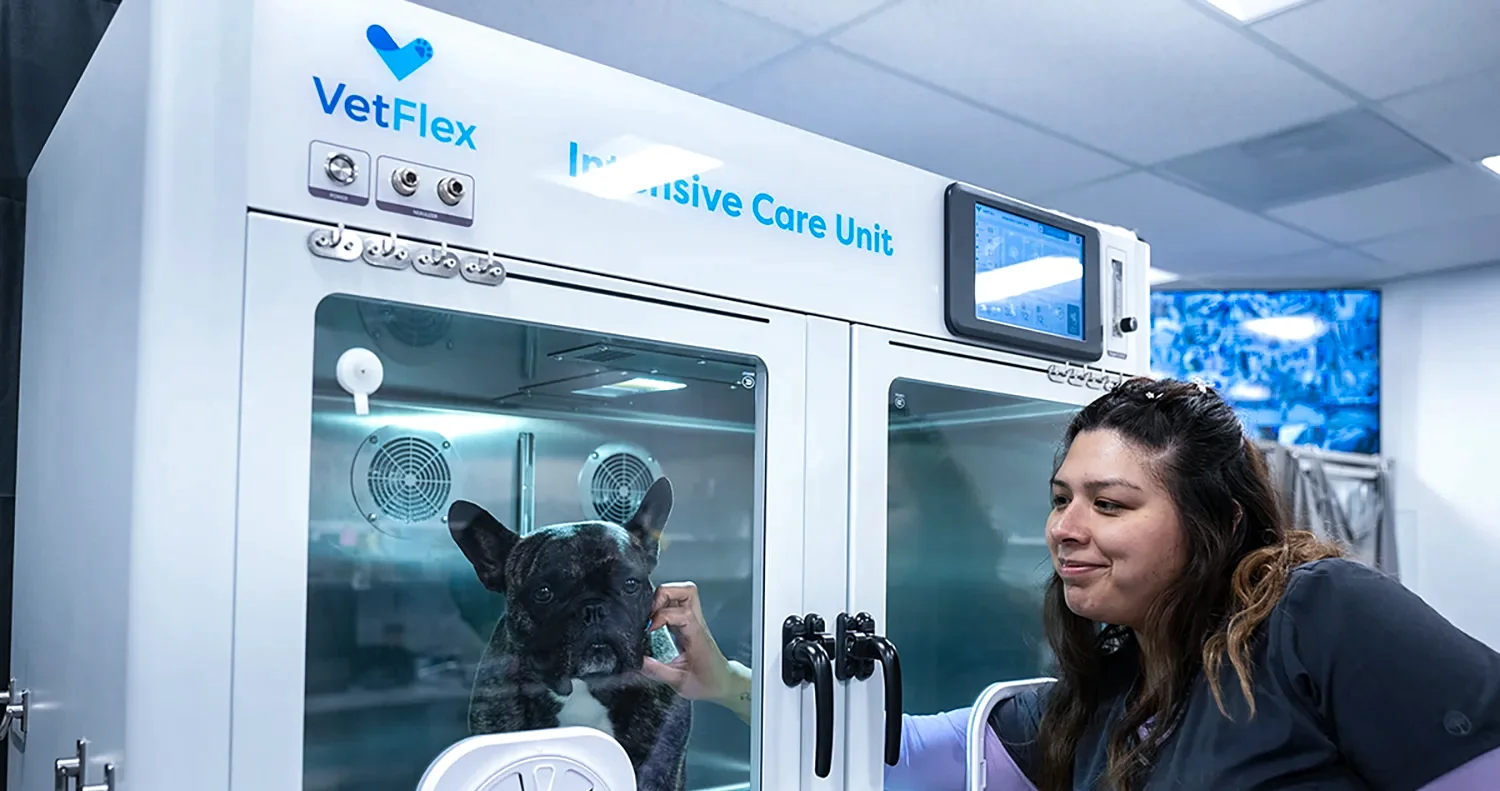
Optimizing Patient Recovery: How Modern Veterinary ICU Oxygen Cages Work
Explore the clinical mechanics of modern ICU oxygen therapy, focusing on ventilation technology, pathogen control, and environmental stability for critical patients.
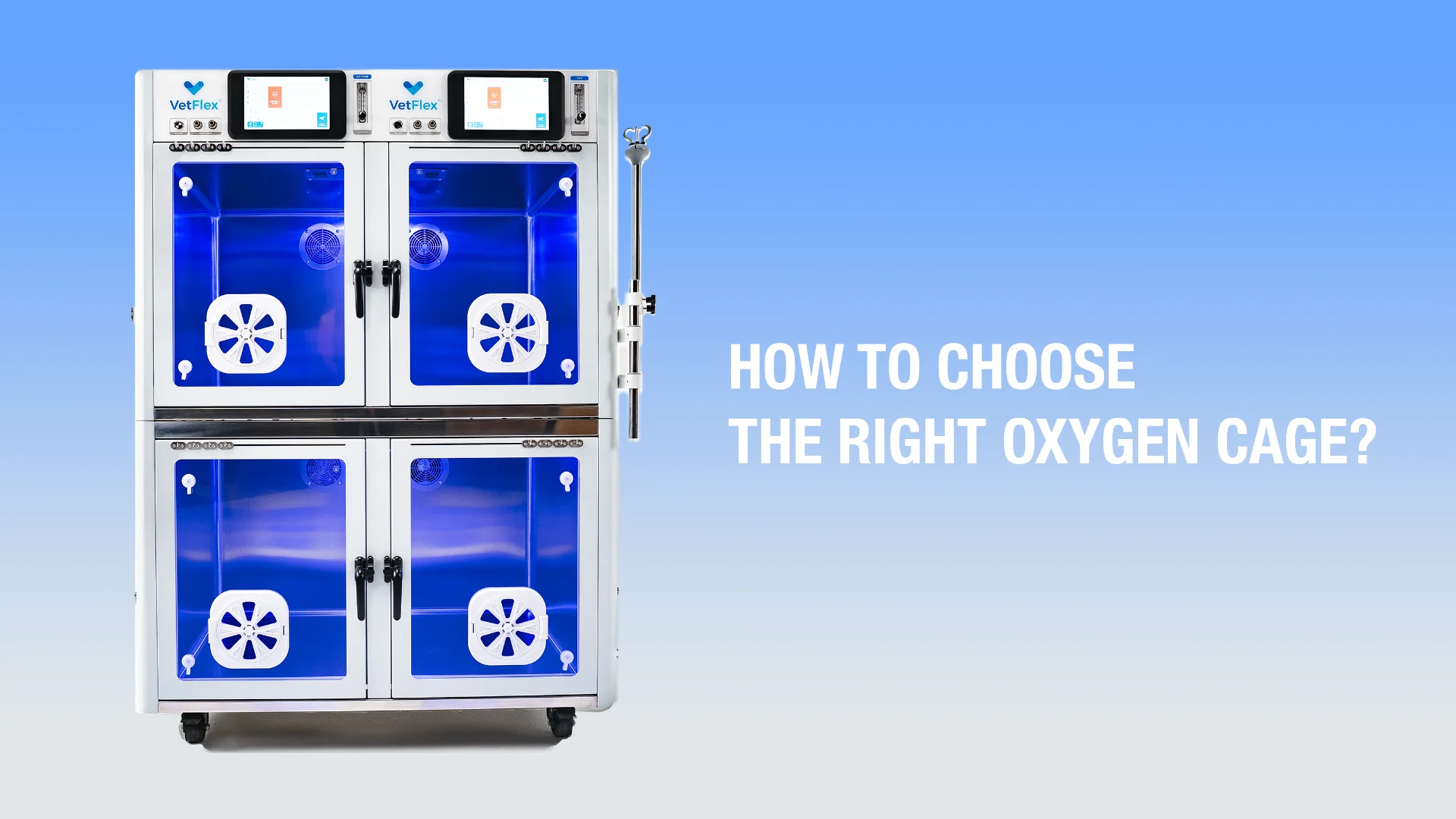
How to Choose the Right Veterinary Oxygen Cage for Your Practice
A practical guide to evaluating veterinary oxygen cages based on monitoring capabilities, environmental controls, durability, and total cost of ownership for clinics of all sizes.
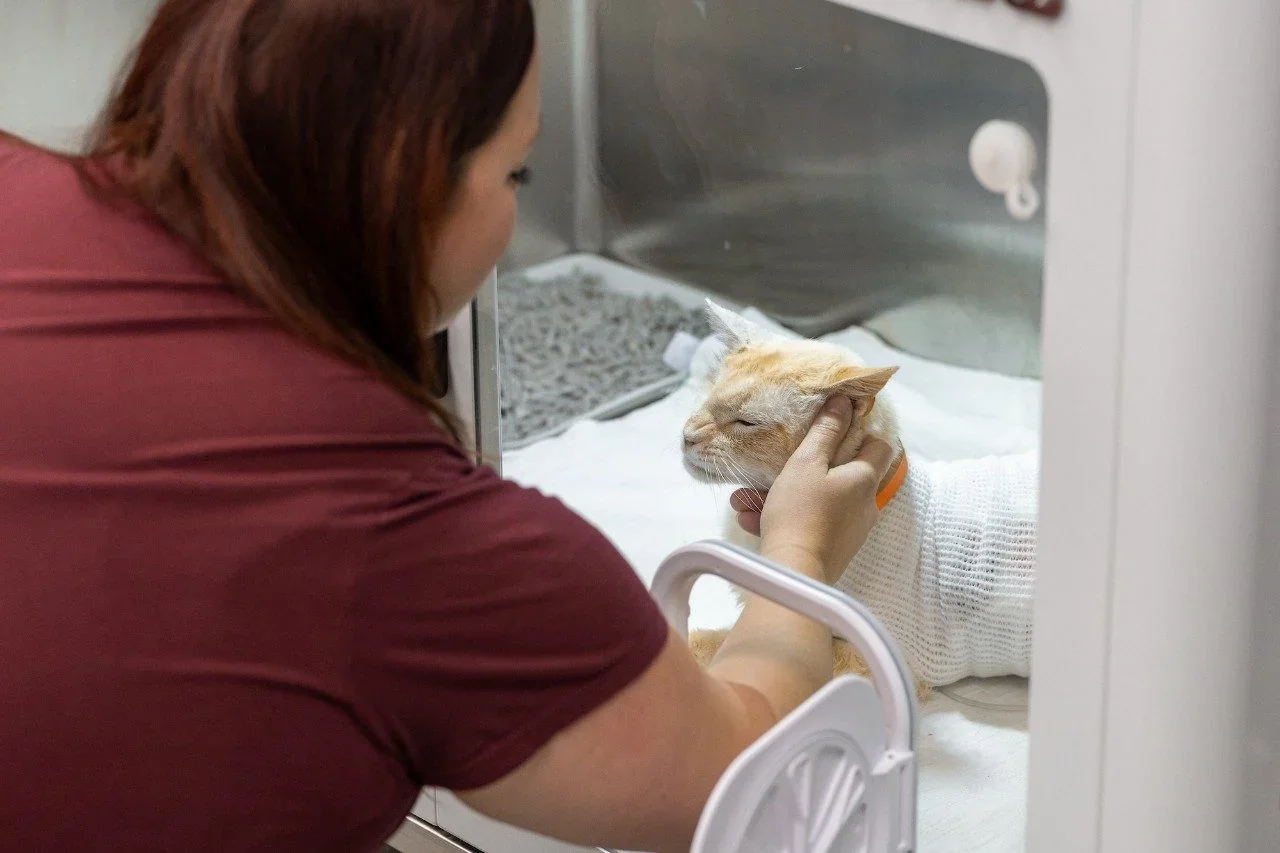
How Virginia Tech Is Using VetFlex Oxygen Cage Technology to Transform Veterinary Oxygen Care
Virginia-Maryland College of Veterinary Medicine at Virginia Tech has officially installed the VetFlex ICU oxygen cage system in their state-of-the-art Veterinary Teaching Hospital, marking a huge step forward for animal health.