
Veterinary Oxygen Supply Options: Concentrator, Central, and Tank Guide
A decision-making guide comparing veterinary oxygen concentrators, centralized oxygen systems, and tanks based on cost, capacity, safety, and clinical workflow.
A decision-making guide comparing veterinary oxygen concentrators, centralized oxygen systems, and tanks based on cost, capacity, safety, and clinical workflow.

Jesse
Veterinary Equipment Specialists
Your oxygen tank runs empty during a Saturday night emergency. The refill company does not deliver until Monday. A patient in respiratory distress needs supplemental oxygen now, and your backup plan is a half-full E-cylinder that will last 45 minutes. This scenario plays out in veterinary clinics regularly, and it is entirely preventable. Your oxygen source selection determines whether your team manages equipment logistics or focuses on patient care.
""
VetFlex oxygen concentrators provide continuous, on-demand oxygen without tank refills or storage risks.
Why Your Oxygen Source Decision Affects More Than Just O2 Delivery
Did You Know?
Fun veterinary facts
Highlight one practical insight for veterinary teams.
— Clinical workflow note
Oxygen source selection impacts five operational areas: supply reliability, annual operating cost, staff safety, physical space requirements, and scalability. A decision based only on purchase price misses the majority of the total cost picture.
Why Clinics Are Moving Away from Tank-Based Oxygen
- Tanks run out at unpredictable times, creating supply gaps during emergencies
- Refill scheduling adds administrative overhead and creates vendor dependency
- Pressurized cylinders pose handling and storage safety risks for staff
- Tank storage consumes valuable floor space in already constrained clinics
- Per-unit oxygen costs are significantly higher than concentrator-generated oxygen
Oxygen Concentrators: Continuous Supply, Lower Cost
Oxygen concentrators draw ambient air, remove nitrogen, and deliver concentrated oxygen continuously. They eliminate tank refills, reduce annual oxygen costs by $3,000-5,000, and fit into compact clinical spaces. Modern veterinary concentrators operate at noise levels comparable to a quiet conversation.
- Continuous oxygen supply with no risk of running out
- No tank refills, storage, or handling of pressurized cylinders
- Compact footprint fits under counters or beside ICU units
- Annual operating cost limited to electricity and periodic filter changes
- VetFlex concentrators operate at 40 dB, among the quietest available
Centralized Oxygen Systems: High Capacity for Large Facilities
Centralized systems pipe oxygen from a large reservoir to multiple treatment areas simultaneously. They deliver the fastest flow rates and are ideal for hospitals with multiple ICU bays, surgery suites, and treatment rooms operating concurrently.
- Delivers oxygen to multiple locations simultaneously through piped infrastructure
- Fastest delivery speed: VetFlex ICU can reach 40% oxygen concentration within minutes on central O2
- Eliminates individual cylinder management across departments
- Requires significant upfront installation investment and dedicated storage space
- Ongoing bulk oxygen delivery contracts add recurring costs
Tanked Oxygen: Portable but Limited
Pressurized cylinders provide near-100% medical-grade oxygen and remain useful for mobile veterinary services, field emergencies, and as backup supply. However, they are the most expensive per-unit oxygen source and introduce handling risks that concentrators and central systems avoid.
Decision Framework: Choosing the Right Oxygen Source
| Factor | Concentrator | Centralized | Tanked |
|---|---|---|---|
| Initial Cost | Moderate | High | Low |
| Annual Operating Cost | Low ($200-400/yr) | Medium (delivery contracts) | High ($3,000-5,000+/yr) |
| Supply Reliability | Continuous (unlimited) | Continuous (bulk tank) | Finite (runs out) |
| Space Required | Small (under-counter) | Large (dedicated room) | Medium (cylinder storage) |
| Safety Risk | Minimal (no pressurized gas) | Low (piped system) | Moderate (pressurized cylinders) |
| Scalability | Add units as needed | Expand piping infrastructure | Add more tanks |
| Best For | Most clinics (1-4 ICU bays) | Large hospitals (5+ treatment areas) | Mobile/backup only |
VetFlex Oxygen Concentrators: Designed for Veterinary Workflows
VetFlex oxygen concentrators are purpose-built for veterinary ICU integration. At 40 dB, they are among the quietest on the market, reducing patient stress in recovery environments. They connect directly to VetFlex ICU units and are compatible with centralized systems, giving clinics flexibility as they scale.
Vet Trivia Challenge
Test your veterinary knowledge!
What percentage of veterinary practices are adopting sustainable equipment?
Ultra-Quiet Operation
40 dB output, quieter than a library. Reduces stress for recovering patients.
Direct ICU Integration
Connects seamlessly to VetFlex ICU units for immediate oxygen delivery.
Compact Design
Fits under counters or beside treatment stations without consuming floor space.
Low Maintenance
Periodic filter changes are the only ongoing maintenance requirement.
Compare VetFlex oxygen concentrator models for your clinic size.
Cost and Operational Impact
The true cost of oxygen delivery extends well beyond the purchase price of equipment. Tank-based clinics spend $3,000-5,000 annually on refills alone, plus staff time managing deliveries, storage logistics, and safety compliance. Concentrators reduce annual oxygen costs to electricity and filter maintenance, typically under $400 per year.
When It Makes Sense to Switch
- You are spending more than $2,000 annually on tank refills
- Tank deliveries have caused supply gaps or scheduling conflicts
- Staff time is being spent managing oxygen logistics instead of patient care
- You are adding ICU capacity or treatment rooms
- Patient stress from equipment noise is a concern in your recovery environment
Clinical Use Cases
Emergency Hospitals
Concentrators provide 24/7 continuous supply. Central oxygen delivers fast flow for acute respiratory emergencies.
General Practice
A single concentrator handles post-anesthetic recovery and routine oxygen supplementation efficiently.
Mobile Veterinary Services
Portable tanks remain the standard for field work, with concentrators as base-station supply.
Frequently Asked Questions
Your Oxygen Source Should Support Your Team, Not Burden It
Evaluate oxygen sources based on total cost of ownership, supply reliability, safety, and workflow impact. For most veterinary clinics, oxygen concentrators provide the best balance of cost, reliability, and operational simplicity. Central systems serve larger hospitals with multi-area oxygen needs. Tanks are best reserved for mobile use and emergency backup.
Talk to our team about the right oxygen solution for your practice.
Download Product Specifications
Get Oxygen Equipment Pricing
Fill out the form below and our team will reach out within 24 hours.
Key Takeaways
Related Decision Guides
Oxygen Concentrator vs Tank vs Central
Compare oxygen delivery systems for your clinic's size and budget.
Read GuideICU Oxygen Cage Buying Guide
Compare features, costs, and choose the right system for your practice.
Read GuideBest Veterinary Oxygen Cage
Evaluate features, monitoring, and cost of ownership across systems.
Read GuideICU & Critical Care Equipment
How did you find this article?
Was this article helpful?
Your feedback helps us understand what content matters most to you.
Related Clinical Insights
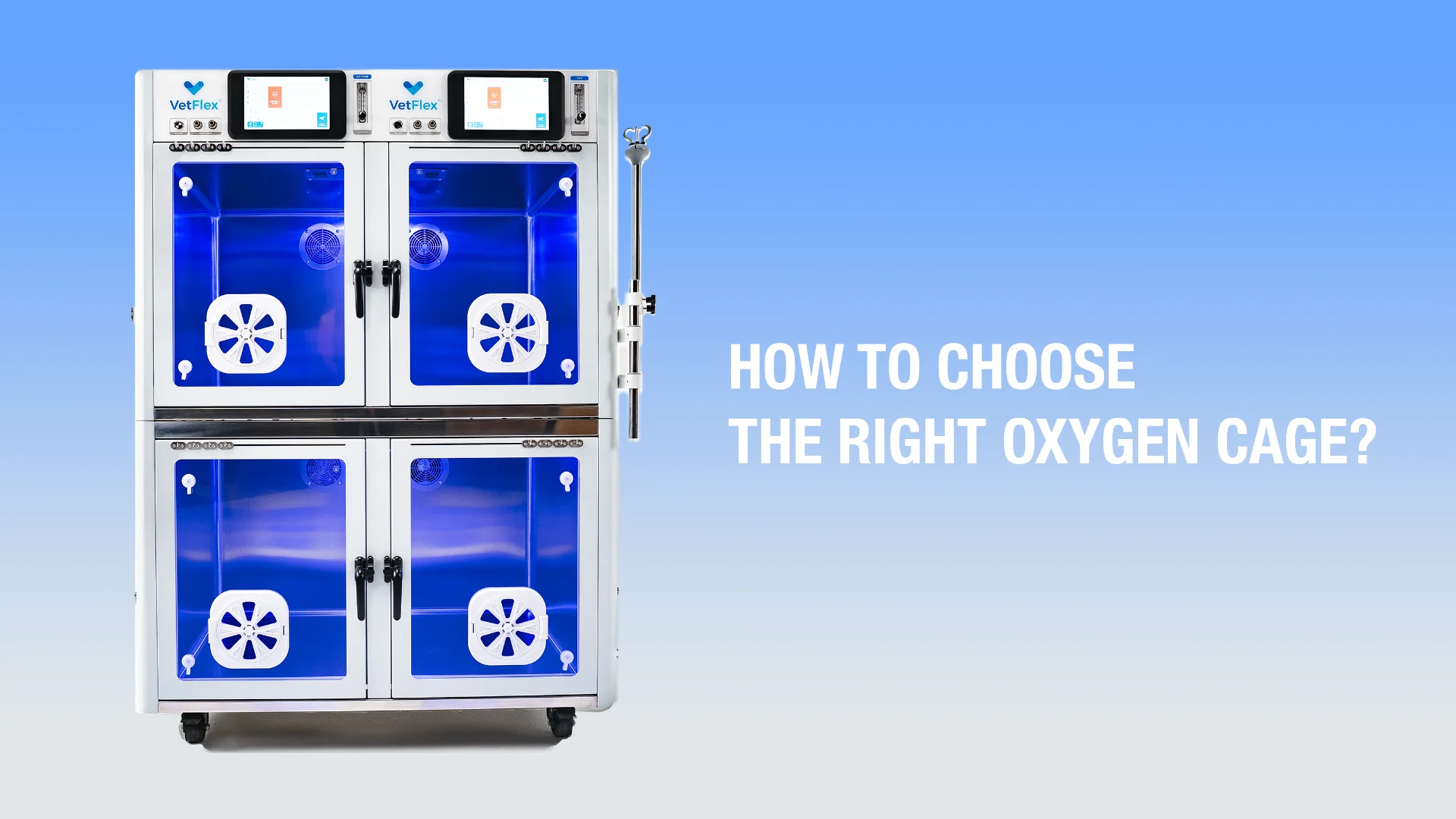
How to Choose the Right Veterinary Oxygen Cage for Your Practice
A practical guide to evaluating veterinary oxygen cages based on monitoring capabilities, environmental controls, durability, and total cost of ownership for clinics of all sizes.
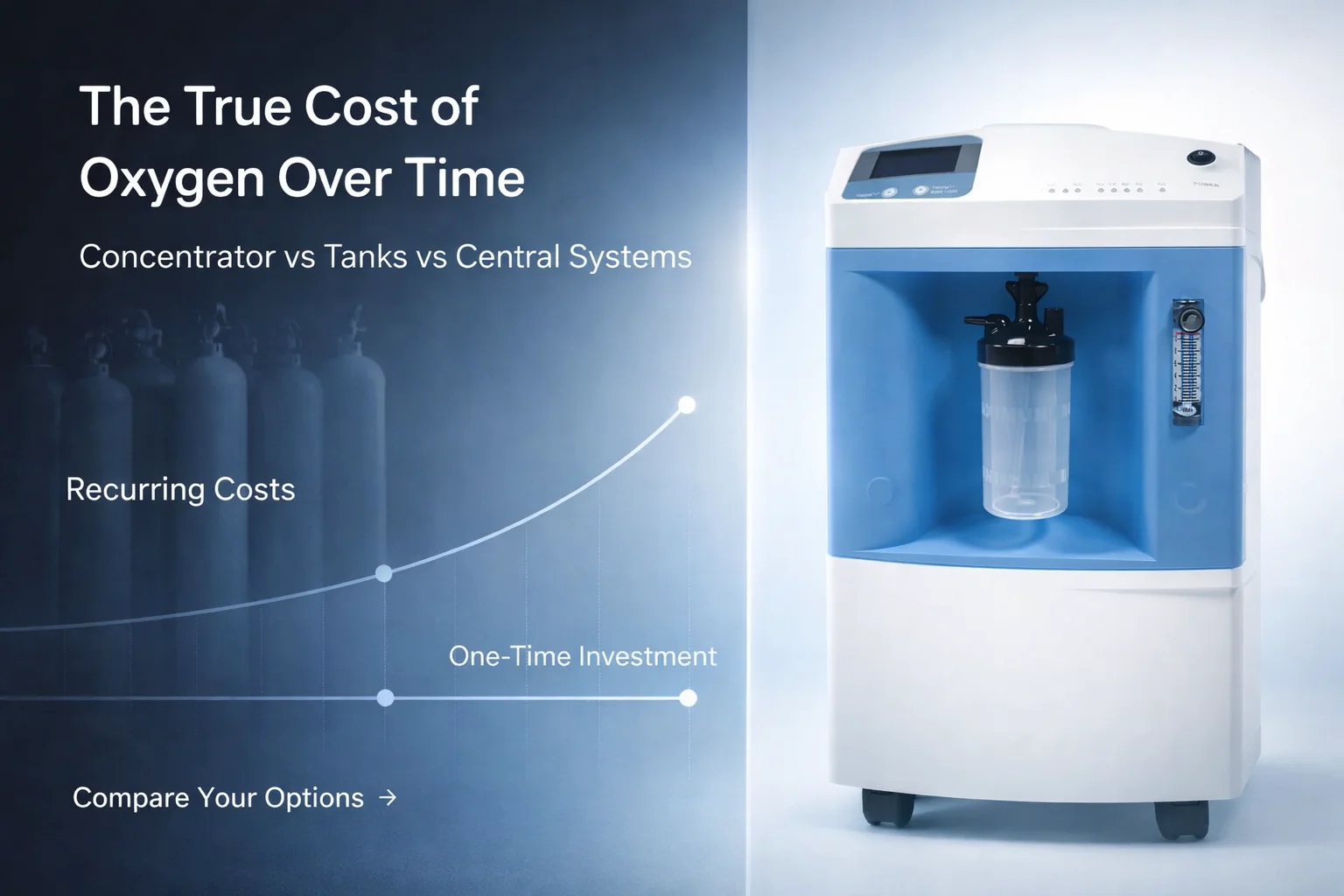
Oxygen Concentrator vs Tank: Cost Comparison for Veterinary Hospitals
Compare oxygen concentrators, tanks, and central supply systems for veterinary hospitals. Evaluate true cost of ownership, reliability, maintenance requirements, and clinical workflow to choose the right oxygen infrastructure.
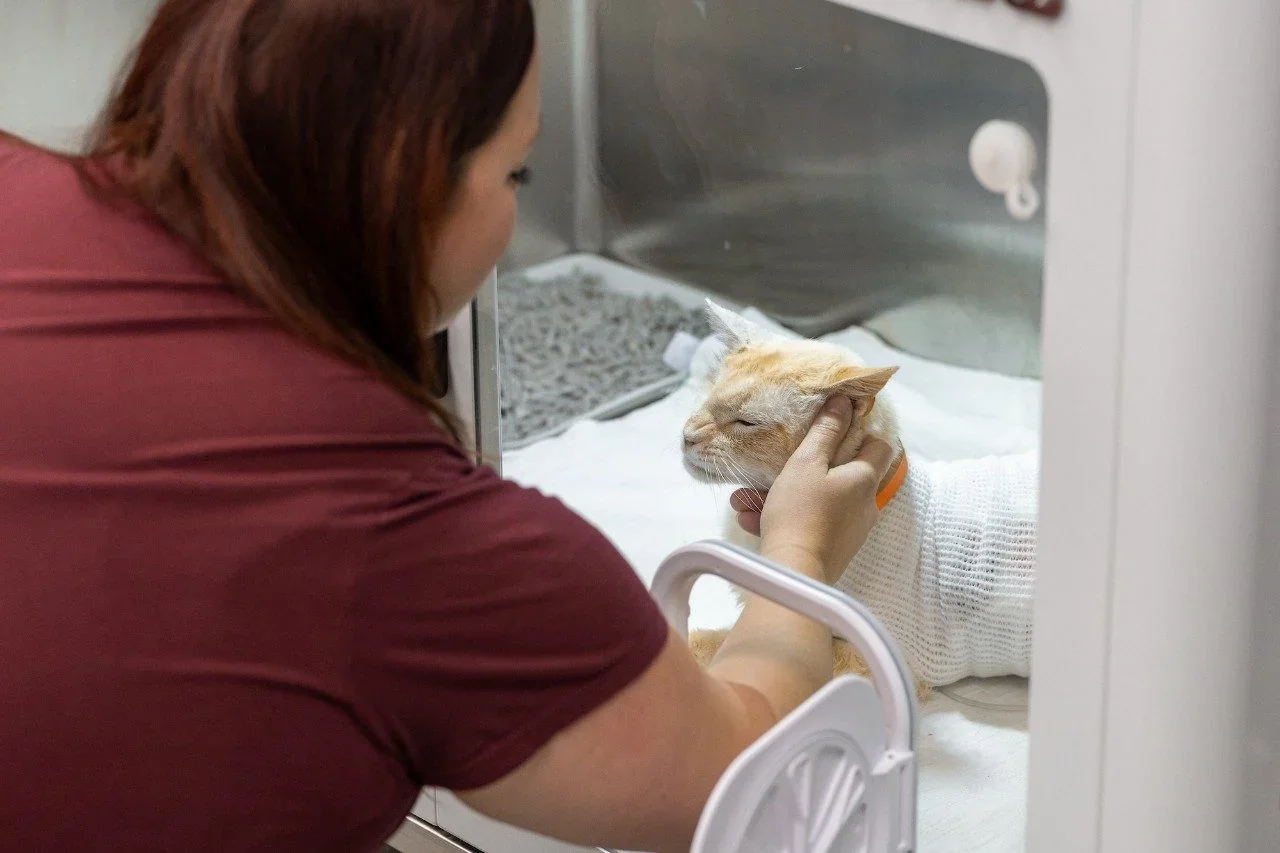
How Virginia Tech Is Using VetFlex Oxygen Cage Technology to Transform Veterinary Oxygen Care
Virginia–Maryland College of Veterinary Medicine at Virginia Tech has officially installed the VetFlex ICU oxygen cage system in their state-of-the-art Veterinary Teaching Hospital, marking a huge step forward for animal health.
Browse the VetFlex Knowledge Center
Explore comprehensive clinical resource hubs curated for veterinary professionals.
Veterinary Oxygen Therapy Resource Hub
Oxygen therapy is a cornerstone of veterinary critical care. Whether managing post-surgical recovery, respiratory distress, or chronic conditions, understanding oxygen delivery systems and best practices helps veterinary teams provide better patient outcomes.
Veterinary ICU Cage Systems Resource Hub
Modern veterinary ICU cage systems play a critical role in patient recovery. From oxygen delivery to temperature control, the right ICU environment significantly affects outcomes.
Veterinary Gloves Resource Hub
Choosing the right gloves impacts infection control, tactile sensitivity, and environmental responsibility. This hub covers exam gloves, surgical gloves, and sustainable options.
Sustainable Veterinary Practices Resource Hub
Sustainability in veterinary medicine is evolving rapidly. From biodegradable exam gloves to soda lime-free ICU systems, veterinary hospitals have growing options to reduce their environmental footprint.
What You'll Learn
- Why Your Oxygen Source Decision Affects More Than Just O2 Delivery
- Why Clinics Are Moving Away from Tank-Based Oxygen
- Oxygen Concentrators: Continuous Supply, Lower Cost
- Centralized Oxygen Systems: High Capacity for Large Facilities
Trending Topics
Most Popular
How Veterinary Oxygen Delivery Systems Work
Oxygen Concentrator vs Tank: Cost Comparison for Veterinary Hospitals
Optimizing the Veterinary ICU: Avoiding Common Setup Mistakes
Optimizing Patient Recovery: How Modern Veterinary ICU Oxygen Cages Work
How to Choose the Right Veterinary Oxygen Cage for Your Practice
Get The Flex
Veterinary insights, product updates, and Natrle news—delivered to your inbox.
