
How Veterinary Oxygen Delivery Systems Work
This article provides a comprehensive overview of veterinary oxygen delivery systems, detailing the mechanisms, applications, and operational considerations for tanks, concentrators, and central oxygen lines.
This article provides a comprehensive overview of veterinary oxygen delivery systems, detailing the mechanisms, applications, and operational considerations for tanks, concentrators, and central oxygen lines.
VetFlex Team
Veterinary Equipment Specialists
Oxygen therapy is a critical component of veterinary medicine, essential for managing a wide range of conditions from respiratory distress to anesthetic support. Understanding the various veterinary oxygen delivery systems available is crucial for providing optimal patient care and ensuring operational efficiency within a veterinary clinic.
The Fundamentals of Oxygen Delivery in Veterinary Practice
Types of Oxygen Sources
There are three primary types of oxygen sources utilized in veterinary settings: compressed gas cylinders (tanks), oxygen concentrators, and central oxygen supply systems.
Compressed Gas Cylinders (Oxygen Tanks)
Oxygen tanks store medical-grade oxygen under high pressure. They are widely used due to their portability and immediate availability. Tanks come in various sizes, from small E-tanks for emergency and transport use to larger H-tanks for stationary applications. While offering high purity oxygen, their finite supply necessitates regular replacement or refilling, incurring ongoing logistical and financial costs.
Oxygen Concentrators
An [oxygen concentrator for veterinary clinic](/products/oxygen-concentrators) operates by filtering ambient air, separating nitrogen from oxygen using a molecular sieve. This process delivers a continuous supply of oxygen at concentrations typically ranging from 90% to 96%. Unlike tanks, concentrators do not require refilling, making them a cost-effective and convenient solution for many practices. They are available as stationary units for clinic-wide distribution or as a portable oxygen concentrator veterinary for smaller applications or transport.
Central Oxygen Supply Systems
Large veterinary hospitals or multi-room clinics may benefit from a central oxygen supply system. This typically involves a large oxygen source connected to a network of pipelines that deliver oxygen to various treatment areas, operating rooms, and recovery cages. While the initial installation cost is higher, a central oxygen delivery system veterinary provides unparalleled convenience and consistent supply throughout the facility.
Components of an Oxygen Delivery System
Regardless of the oxygen source, several key components are necessary for safe and effective delivery to the patient.
Regulators and Flowmeters
Regulators reduce the high pressure from oxygen tanks to a safe, usable level. Flowmeters then control the rate at which oxygen is delivered to the patient, measured in liters per minute (LPM). For oxygen concentrators, the flowmeter is often integrated into the unit.
Humidifiers
Administering dry oxygen for extended periods can irritate and dry out mucous membranes. Humidifiers add moisture to the oxygen, improving patient comfort and preventing respiratory tract desiccation.
Delivery Interfaces
Various interfaces are used to deliver oxygen to the patient, including oxygen cages/tents for controlled high-oxygen environments, nasal cannulas for cooperative patients, face masks for higher concentrations, endotracheal tubes for anesthesia and critical patients, and flow-by oxygen for short-term stabilization.
Did You Know?
Fun veterinary facts
Oxygen concentrators can operate continuously, providing a consistent oxygen supply without the need for tank changes.
Clinical Applications of Veterinary Oxygen Delivery Systems
Oxygen therapy is indicated for numerous conditions in veterinary medicine.
Respiratory Distress
Patients presenting with dyspnea, tachypnea, or cyanosis due to conditions like pneumonia, pulmonary edema, asthma, or tracheal collapse often require immediate oxygen supplementation. Rapid intervention with an effective oxygen delivery system veterinary can be life-saving.
Anesthetic Support
Oxygen is routinely administered during general anesthesia to ensure adequate tissue oxygenation and to facilitate the safe delivery of inhalant anesthetics.
Critical Care and Emergency Medicine
Critically ill or injured animals, including those in shock, with severe trauma, or recovering from major surgery, often benefit from continuous oxygen support. A portable oxygen concentrator veterinary can be invaluable in emergency situations or during patient transport.
Cost and Operational Efficiency of Oxygen Delivery Systems
When selecting an oxygen delivery system, veterinary clinics must consider not only the initial purchase price but also long-term operational costs, reliability, and maintenance requirements.
Oxygen Tanks
Oxygen tanks typically involve lower upfront costs but recurring expenses for tank rental, delivery fees, and refilling can accumulate significantly over time. For clinics with infrequent oxygen needs or those requiring highly portable solutions, tanks remain a viable option.
Oxygen Concentrators
An oxygen concentrator for veterinary clinic use generally has a higher initial purchase price but significantly lower long-term operational costs. Concentrators eliminate tank rental fees, delivery charges, and the need for refills. The primary ongoing costs are electricity consumption and routine maintenance.
Central Oxygen Lines
Central oxygen supply systems represent the highest initial investment but for large facilities with multiple points of use, the convenience and efficiency are unmatched.
| Feature | Oxygen Tanks | Oxygen Concentrators | Central Oxygen Lines |
|---|---|---|---|
| Initial Cost | Low (tanks, regulators) | Medium to High | High (installation, source) |
| Operational Cost | High (rental, refills, delivery) | Low (electricity, maintenance) | Medium (electricity/bulk refills, maintenance) |
| Reliability | High (if tanks are full) | High (continuous supply) | Very High (clinic-wide access) |
| Maintenance | Minimal (regulator checks) | Moderate (filter changes, routine checks) | Moderate (system checks, source maintenance) |
| Best-Fit Scenario | Emergency, transport, low-volume use | Consistent, medium to high-volume use | Large hospitals, multi-room clinics |
Safety Considerations
Regardless of the system chosen, safety is paramount. Oxygen is a fire accelerant, and proper precautions must always be observed including ensuring adequate ventilation, keeping oxygen sources away from heat and open flames, and regularly checking equipment for leaks or damage.
"Switching to a VetFlex oxygen concentrator significantly streamlined our operations. We no longer worry about running out of oxygen during critical procedures, and the cost savings on tank rentals have been substantial."
Conclusion
The selection of appropriate veterinary oxygen delivery systems is a critical decision for any veterinary practice. While compressed gas cylinders offer portability and immediate high-purity oxygen, oxygen concentrators provide a cost-effective, continuous, and environmentally friendlier alternative. Central oxygen systems offer the ultimate convenience for larger facilities. For further reading, explore our article on [anesthetic monitoring in small animal practice](/blog/anesthetic-monitoring-small-animal-practice).
What is the primary difference between an oxygen tank and an oxygen concentrator?
How pure is the oxygen from a veterinary oxygen concentrator?
Are portable oxygen concentrators suitable for emergency veterinary use?
What are the main safety concerns with oxygen delivery systems?
When should a central oxygen delivery system be considered?
Vet Trivia Challenge
Test your veterinary knowledge!
What percentage of veterinary practices are adopting sustainable equipment?
Download Product Specifications
Get Oxygen Equipment Pricing
Fill out the form below and our team will reach out within 24 hours.
Related Decision Guides
Oxygen Concentrator vs Tank vs Central
Compare oxygen delivery systems for your clinic's size and budget.
Read GuideICU Oxygen Cage Buying Guide
Compare features, costs, and choose the right system for your practice.
Read GuideBest Veterinary Oxygen Cage
Evaluate features, monitoring, and cost of ownership across systems.
Read GuideICU & Critical Care Equipment
How did you find this article?
Was this article helpful?
Your feedback helps us understand what content matters most to you.
Related Clinical Insights
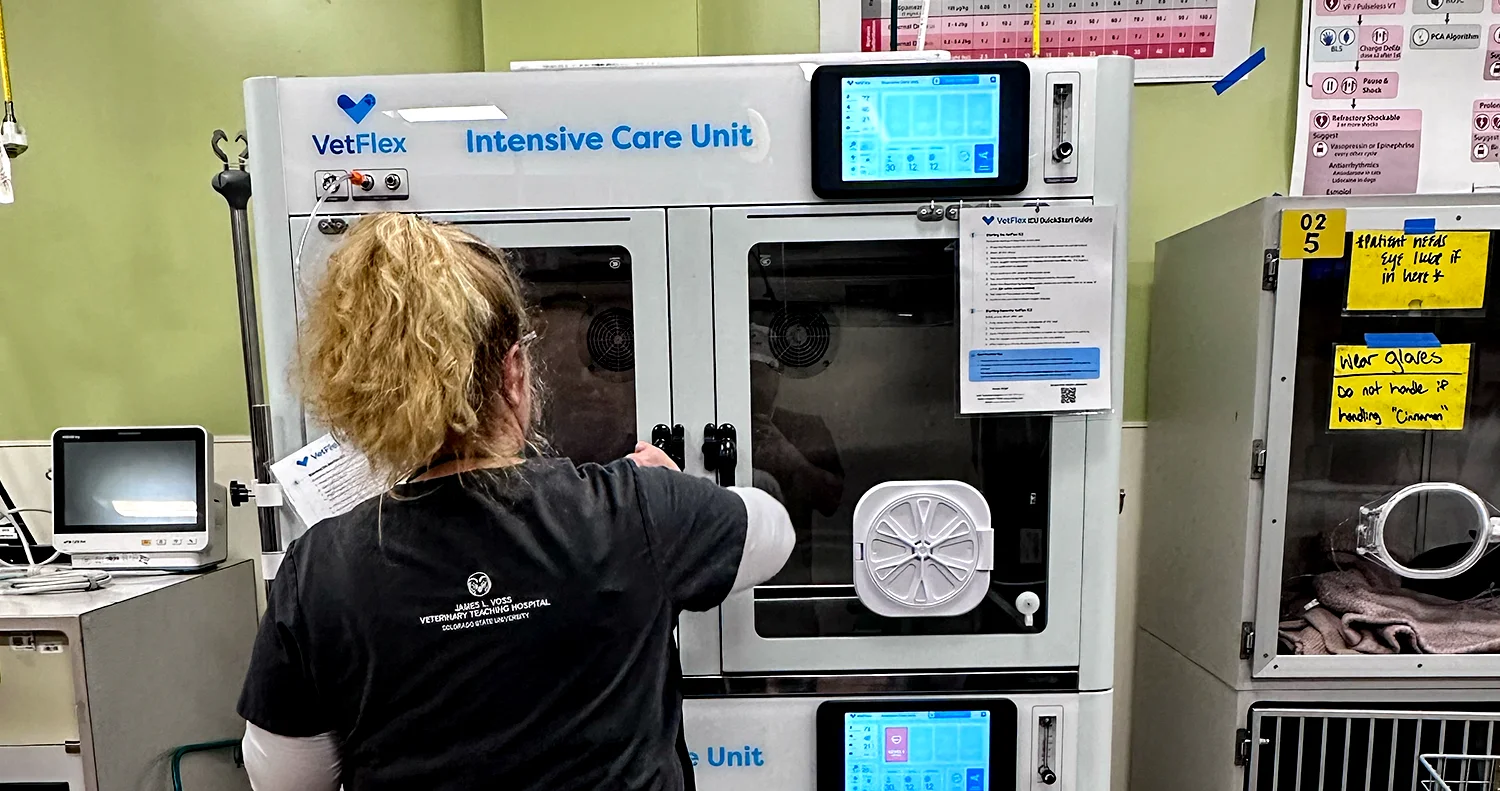
Optimizing the Veterinary ICU: Avoiding Common Setup Mistakes
This article provides a comprehensive guide to avoiding common mistakes in veterinary ICU setup, covering layout, equipment selection, workflow optimization, and staff training for optimal patient outcomes.
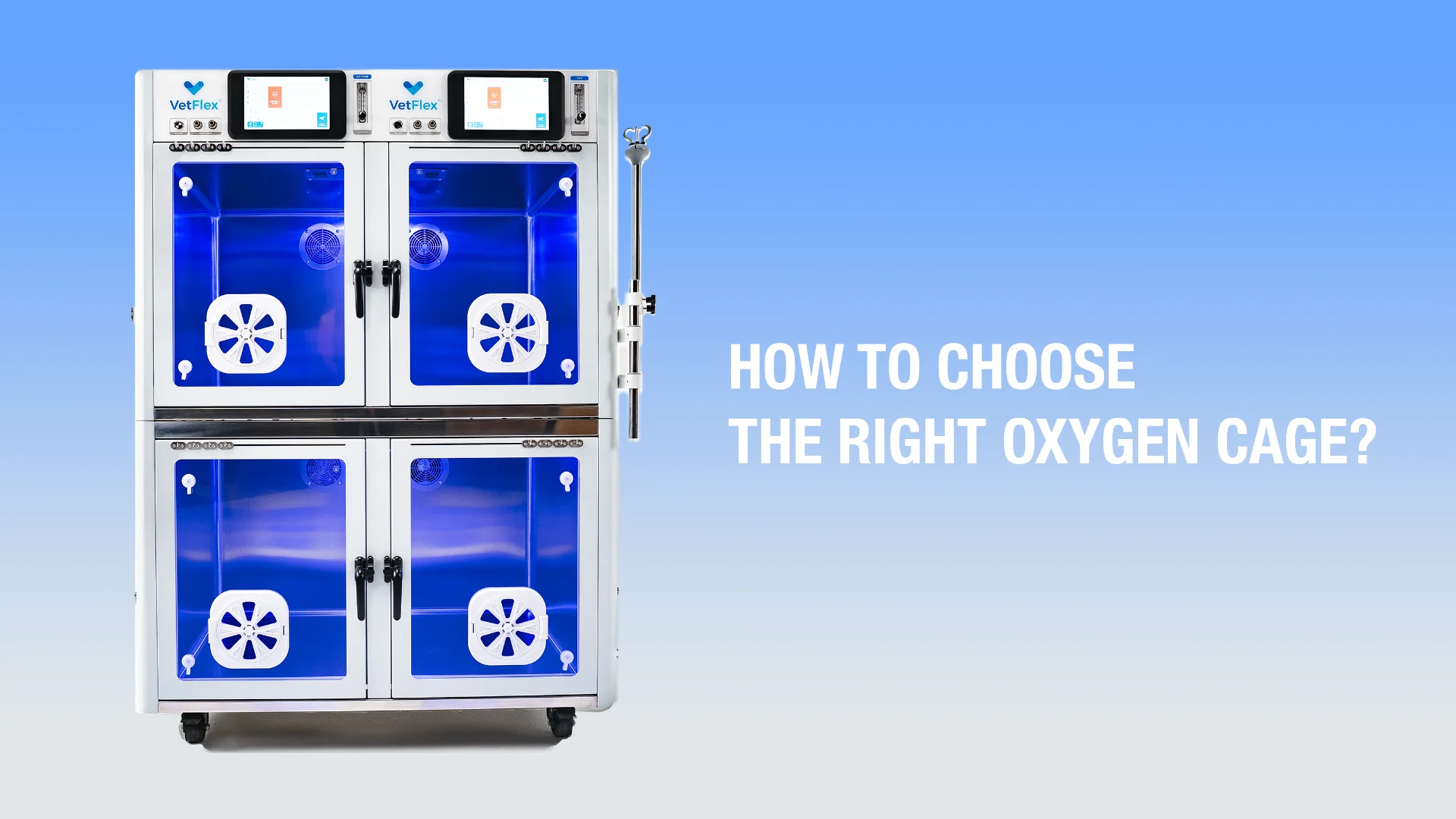
How to Choose the Right Veterinary Oxygen Cage for Your Practice
A practical guide to evaluating veterinary oxygen cages based on monitoring capabilities, environmental controls, durability, and total cost of ownership for clinics of all sizes.
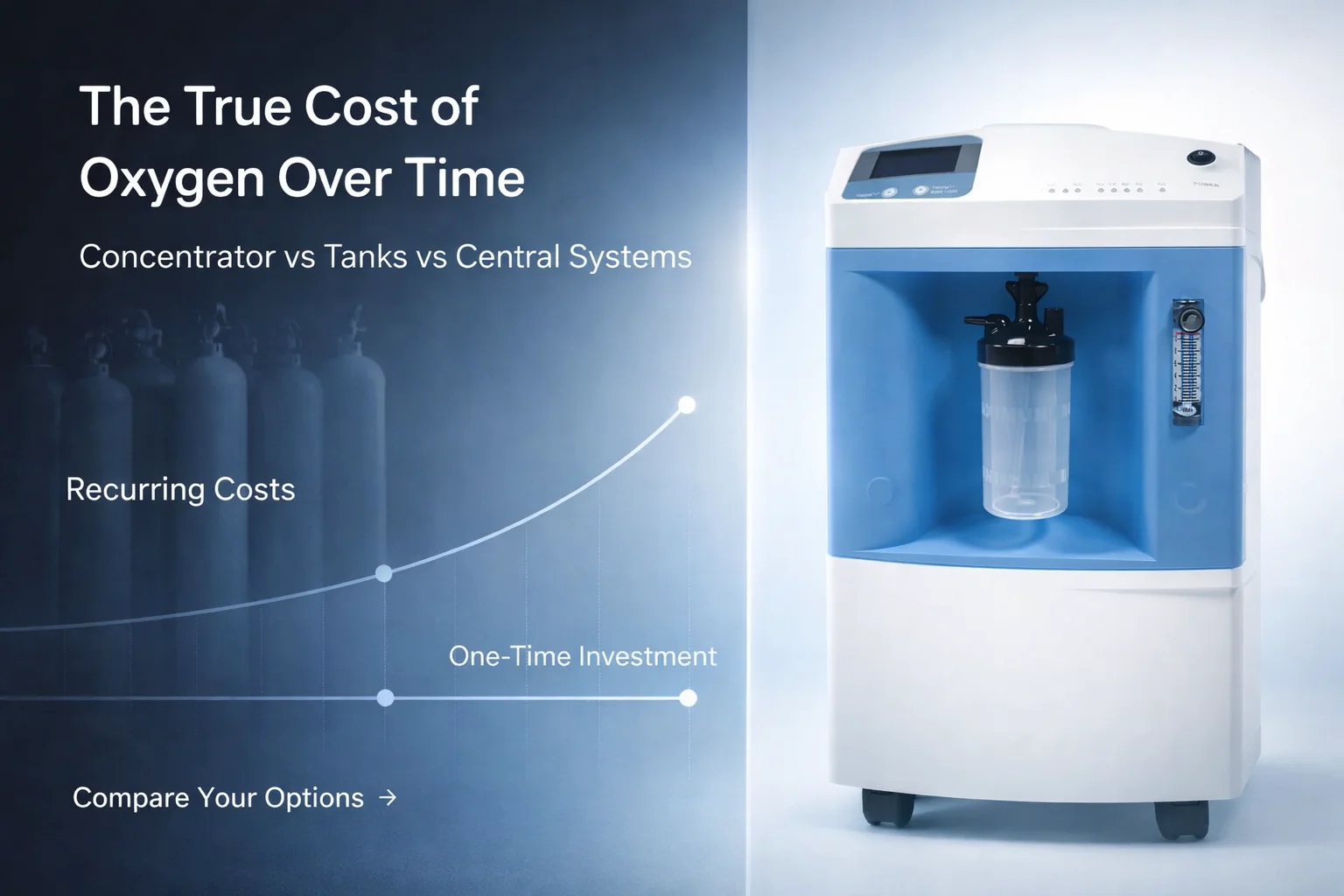
Oxygen Concentrator vs Tank: Cost Comparison for Veterinary Hospitals
Compare oxygen concentrators, tanks, and central supply systems for veterinary hospitals. Evaluate true cost of ownership, reliability, maintenance requirements, and clinical workflow to choose the right oxygen infrastructure.
Browse the VetFlex Knowledge Center
Explore comprehensive clinical resource hubs curated for veterinary professionals.
Veterinary Oxygen Therapy Resource Hub
Oxygen therapy is a cornerstone of veterinary critical care. Whether managing post-surgical recovery, respiratory distress, or chronic conditions, understanding oxygen delivery systems and best practices helps veterinary teams provide better patient outcomes.
Veterinary ICU Cage Systems Resource Hub
Modern veterinary ICU cage systems play a critical role in patient recovery. From oxygen delivery to temperature control, the right ICU environment significantly affects outcomes.
Veterinary Gloves Resource Hub
Choosing the right gloves impacts infection control, tactile sensitivity, and environmental responsibility. This hub covers exam gloves, surgical gloves, and sustainable options.
Sustainable Veterinary Practices Resource Hub
Sustainability in veterinary medicine is evolving rapidly. From biodegradable exam gloves to soda lime-free ICU systems, veterinary hospitals have growing options to reduce their environmental footprint.
What You'll Learn
- This article provides a comprehensive overview of veterinary oxygen delivery systems, detailing the mechanisms, applications, and operational considerations for tanks, concentrators, and central oxygen lines
Trending Topics
Most Popular
How Veterinary Oxygen Delivery Systems Work
Oxygen Concentrator vs Tank: Cost Comparison for Veterinary Hospitals
Optimizing the Veterinary ICU: Avoiding Common Setup Mistakes
Optimizing Patient Recovery: How Modern Veterinary ICU Oxygen Cages Work
How to Choose the Right Veterinary Oxygen Cage for Your Practice
Get The Flex
Veterinary insights, product updates, and Natrle news—delivered to your inbox.
