
Optimizing the Veterinary ICU: Avoiding Common Setup Mistakes
This article provides a comprehensive guide to avoiding common mistakes in veterinary ICU setup, covering layout, equipment selection, workflow optimization, and staff training for optimal patient outcomes.
This article provides a comprehensive guide to avoiding common mistakes in veterinary ICU setup, covering layout, equipment selection, workflow optimization, and staff training for optimal patient outcomes.
VetFlex Team
Veterinary Equipment Specialists
Optimizing the Veterinary ICU: Avoiding Common Setup Mistakes
The intensive care unit (ICU) is a cornerstone of advanced veterinary medicine, providing critical support for patients facing life-threatening conditions. A well-designed and efficiently operated ICU is paramount for optimal patient outcomes, staff well-being, and clinic profitability. However, many veterinary practices inadvertently make common setup mistakes that can compromise patient care and lead to unnecessary costs. This article will guide you through avoiding these common veterinary ICU setup mistakes.
The Foundation: Strategic Layout and Workflow
One of the most significant veterinary ICU setup mistakes is failing to plan for an intuitive and efficient layout. The physical arrangement of the ICU directly impacts how quickly and effectively staff can respond to emergencies, administer treatments, and monitor patients. Optimizing your veterinary ICU workflow begins with a thoughtful design.
Mistake 1: Inadequate Space and Poor Zoning
Many ICUs are either too small or lack proper zoning. Critical care units require sufficient space for equipment, staff movement, and patient access. Different levels of patient acuity or types of isolation cases necessitate distinct zones. Infectious patients should be housed separately from immunocompromised ones to prevent cross-contamination. This is a crucial aspect of effective ICU cage setup in veterinary environments.
Mistake 2: Suboptimal Equipment Placement
Equipment should be placed logically to support workflow. Infusion pumps, oxygen sources, and monitoring devices need to be easily accessible and positioned to allow for clear visibility of patients. Cluttered spaces or equipment that requires staff to constantly move awkwardly can lead to errors and inefficiency.
Essential Equipment: Beyond the Basics
While basic monitoring and life support equipment are standard, overlooking specialized tools or making poor choices in critical equipment like veterinary oxygen cages can severely limit an ICU's capabilities. Investing in reliable, user-friendly equipment is crucial.
Mistake 3: Underestimating Oxygen Delivery Needs
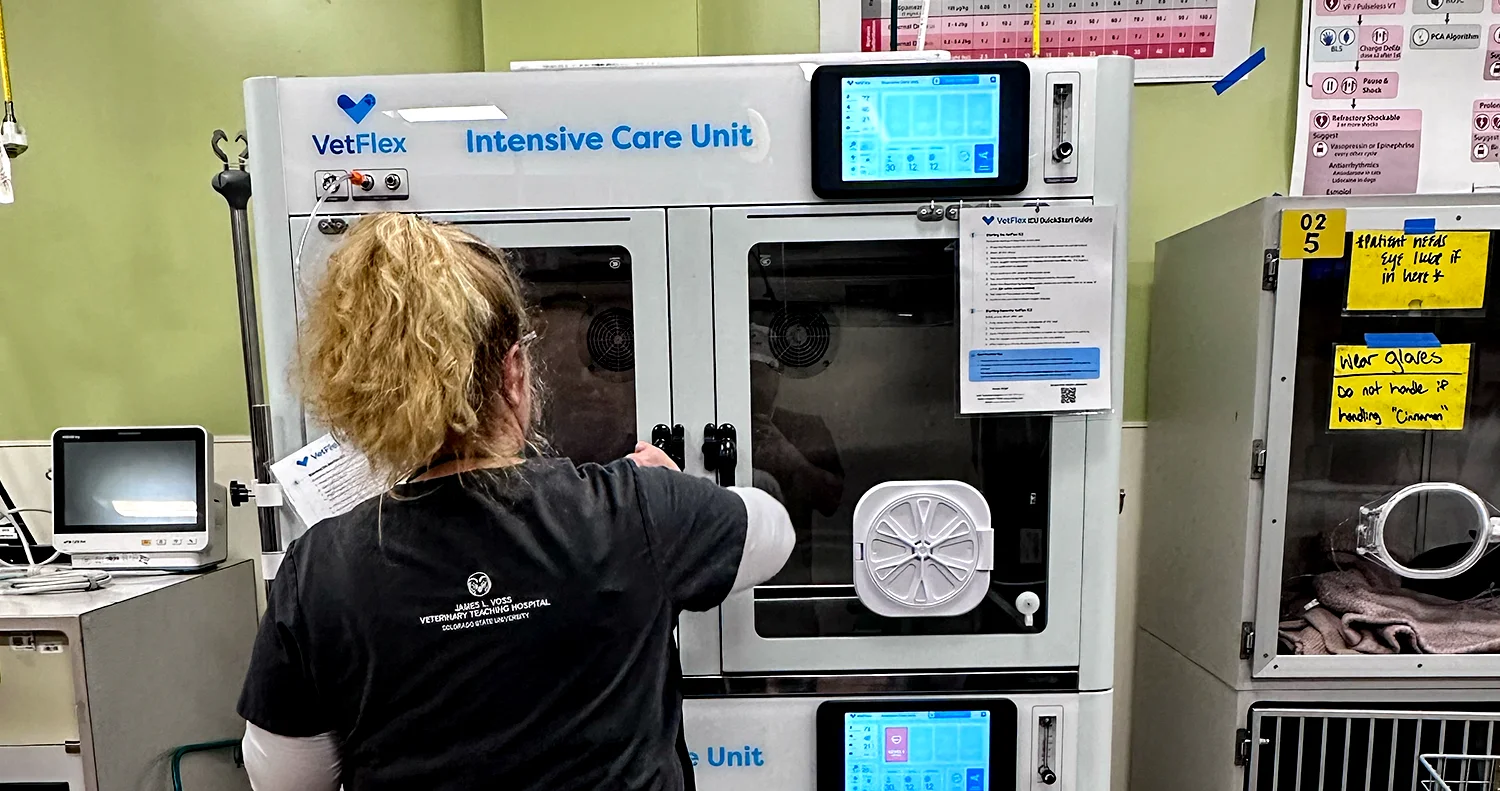
Oxygen therapy is a cornerstone of critical care. A common mistake is relying solely on basic oxygen delivery methods when a dedicated veterinary oxygen cage is often necessary for patients requiring controlled oxygen concentrations, humidity, and temperature. When selecting an oxygen cage for dogs or other small animals, consider features that ensure precise environmental control. Traditional systems often rely on chemical CO2 absorbers, adding recurring costs and maintenance burden. Many clinics are shifting toward soda lime free designs for reduced maintenance and improved safety. Explore options for a robust [veterinary oxygen therapy system](/products/icu-systems). Avoiding oxygen cage mistakes is vital for patient outcomes.
Mistake 4: Neglecting Monitoring and Diagnostic Integration
Modern ICUs benefit greatly from integrated monitoring systems that can track multiple physiological parameters simultaneously and alert staff to changes. Failing to invest in comprehensive monitoring or not integrating diagnostic tools into the ICU workflow can delay critical interventions.
Explore VetFlex's range of advanced veterinary ICU systems and oxygen cages designed for optimal patient care.
Operational Efficiency and Staff Preparedness
Even with the best equipment and layout, an ICU will underperform without well-trained staff and streamlined operational protocols. Human factors are often overlooked in the initial setup phase, contributing to common veterinary ICU setup mistakes.
Mistake 5: Insufficient Staff Training and Protocol Development
An ICU is only as effective as the team operating it. A common mistake is inadequate training on new equipment, emergency protocols, and critical care techniques. Regular drills and continuing education are vital. Develop clear standard operating procedures (SOPs) for common ICU scenarios.
Mistake 6: Overlooking Consumable Management
Proper management of consumables, from medications to personal protective equipment and specialized supplies, is critical. Disorganized storage, frequent stockouts, or excessive waste due to poor inventory management can severely impact ICU function.
Did You Know?
Fun veterinary facts
A well-designed veterinary ICU can reduce patient recovery times by up to 15%.
The Cost of Getting ICU Setup Wrong
The initial investment in an ICU can be substantial, but the long-term costs of a poorly designed unit far outweigh the upfront expense of doing it right. Avoiding veterinary ICU setup mistakes saves resources in the long run.
Firstly, wasted consumables are a significant drain. Disorganized storage leads to expired medications, damaged supplies, and inefficient use of items. Inefficient oxygen delivery systems can lead to higher consumption and increased utility bills.
Secondly, staff inefficiency directly impacts profitability and morale. A cluttered, poorly laid out ICU increases time spent searching for equipment or performing routine tasks. This reduces the number of patients that can be effectively managed and contributes to staff burnout.
Finally, and most critically, patient outcomes are compromised. Delays in treatment, errors due to stress, and suboptimal environmental control can lead to longer hospital stays and increased morbidity. Investing in a proper veterinary ICU setup, including a reliable veterinary oxygen cage, is an investment in patient lives. For more insights, consider reading about [effective inventory management strategies](/blog/inventory-management-tips).
Not sure which ICU system or oxygen cage is right for your practice? Our experts can help you compare options.
"Our ICU was a constant source of frustration. Equipment was scattered, and our team struggled with workflow. After implementing a new layout and upgrading to a soda lime free oxygen cage system, we've seen a dramatic improvement. Patient recovery times are down, and our staff feels much more efficient."
Key Considerations for a Future-Proof ICU
When designing or renovating a veterinary ICU, consider scalability and adaptability. Choose modular equipment where possible and design spaces that can be reconfigured without major construction. Selecting a versatile veterinary oxygen cage allows for adaptation to different patient sizes and conditions.
Another crucial aspect is environmental control. Beyond oxygen, consider temperature, humidity, and air quality. Advanced veterinary oxygen cages offer precise control over these factors. Understanding the nuances of [veterinary anesthesia monitoring](/blog/anesthesia-monitoring-best-practices) can also inform your ICU setup decisions.
Quick Poll
Share your experience!
What's your clinic's biggest challenge?
Conclusion
Avoiding common veterinary ICU setup mistakes requires careful planning, a thorough understanding of critical care needs, and a commitment to continuous improvement. By focusing on strategic layout, appropriate equipment selection including advanced veterinary oxygen cages, robust staff training, and efficient operational protocols, veterinary practices can create an ICU that truly supports optimal patient outcomes.
Contact VetFlex today to discuss your specific ICU needs and get a personalized quote.
What are the most common veterinary ICU setup mistakes?
Why is a soda lime free oxygen cage beneficial?
How does ICU layout impact patient care?
What role do staff training and protocols play in an effective ICU?
What are the hidden costs of a poorly designed veterinary ICU?
Download Product Specifications
Get ICU System Pricing & Specifications
Fill out the form below and our team will reach out within 24 hours.
Related Decision Guides
ICU Oxygen Cage Buying Guide
Compare features, costs, and choose the right system for your practice.
Read GuideSoda Lime vs Soda Lime-Free ICU
Understand the clinical and financial case for eliminating soda lime.
Read GuideBest Veterinary Oxygen Cage
Evaluate features, monitoring, and cost of ownership across systems.
Read GuideICU & Critical Care Equipment
How did you find this article?
Was this article helpful?
Your feedback helps us understand what content matters most to you.
Related Clinical Insights
How Veterinary Oxygen Delivery Systems Work
This article provides a comprehensive overview of veterinary oxygen delivery systems, detailing the mechanisms, applications, and operational considerations for tanks, concentrators, and central oxygen lines.
How to Choose the Right Veterinary Oxygen Cage for Your Practice
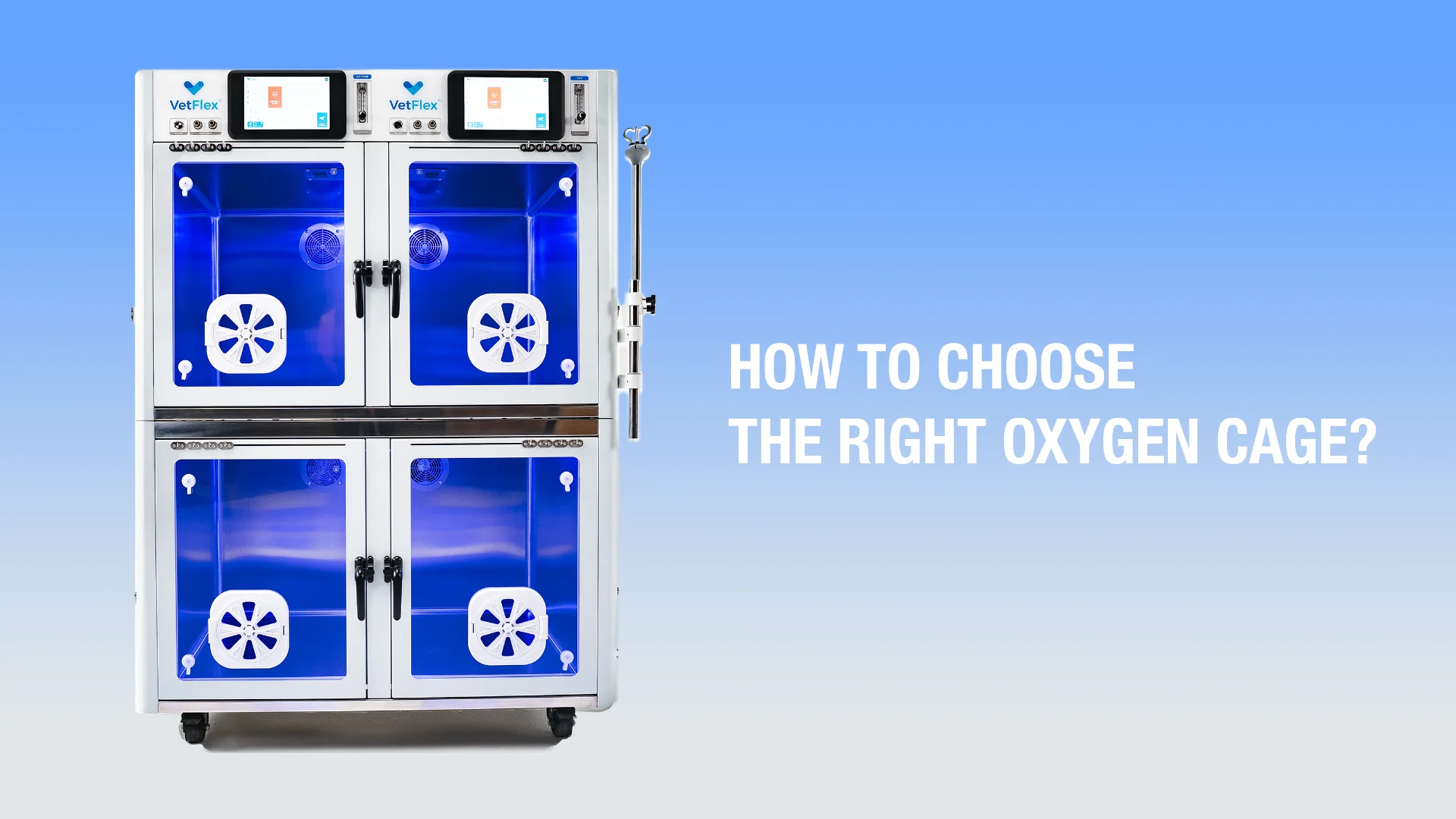
A practical guide to evaluating veterinary oxygen cages based on monitoring capabilities, environmental controls, durability, and total cost of ownership for clinics of all sizes.
Oxygen Concentrator vs Tank: Cost Comparison for Veterinary Hospitals
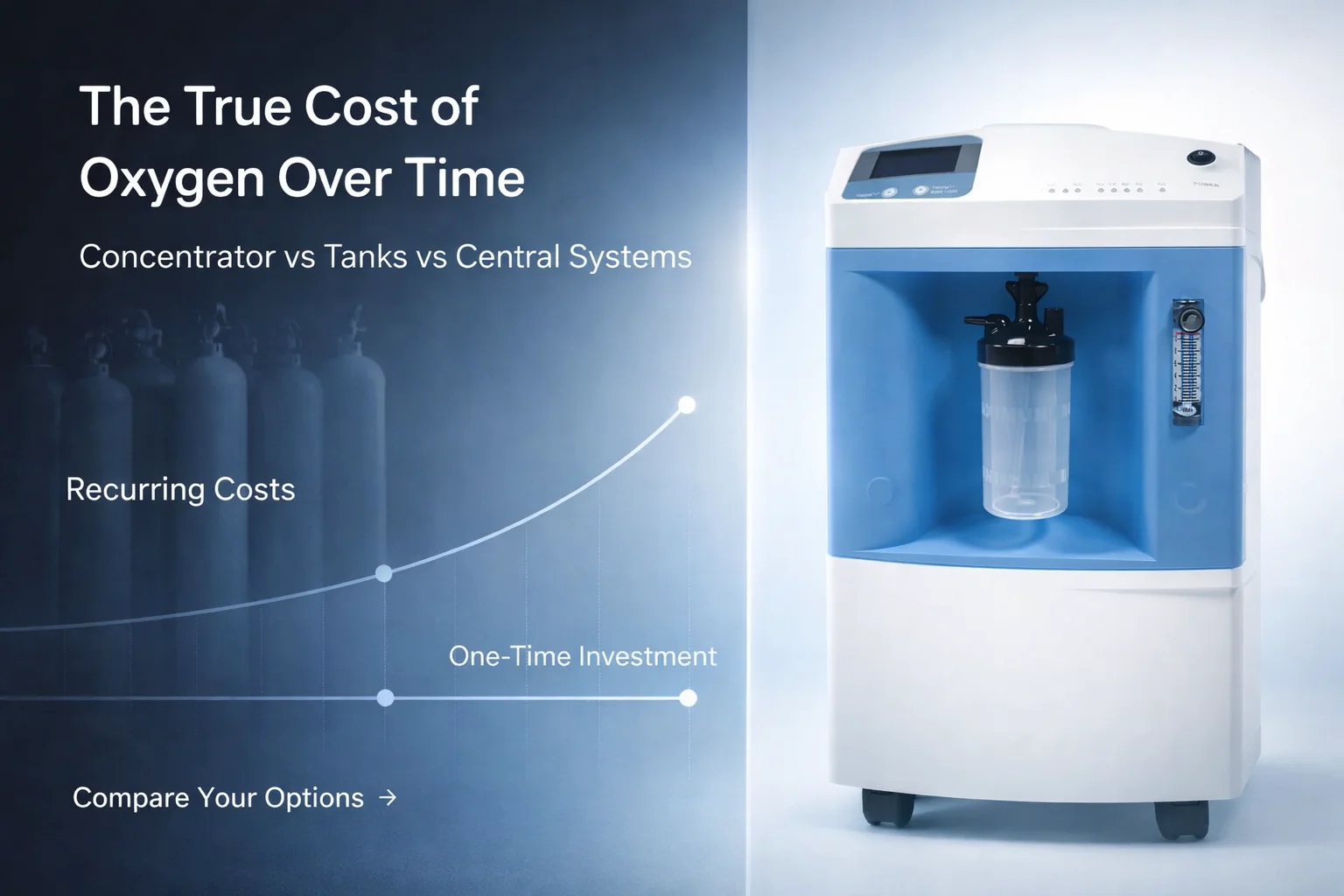
Compare oxygen concentrators, tanks, and central supply systems for veterinary hospitals. Evaluate true cost of ownership, reliability, maintenance requirements, and clinical workflow to choose the right oxygen infrastructure.
Browse the VetFlex Knowledge Center
Explore comprehensive clinical resource hubs curated for veterinary professionals.
Veterinary Oxygen Therapy Resource Hub
Oxygen therapy is a cornerstone of veterinary critical care. Whether managing post-surgical recovery, respiratory distress, or chronic conditions, understanding oxygen delivery systems and best practices helps veterinary teams provide better patient outcomes.
Veterinary ICU Cage Systems Resource Hub
Modern veterinary ICU cage systems play a critical role in patient recovery. From oxygen delivery to temperature control, the right ICU environment significantly affects outcomes.
Veterinary Gloves Resource Hub
Choosing the right gloves impacts infection control, tactile sensitivity, and environmental responsibility. This hub covers exam gloves, surgical gloves, and sustainable options.
Sustainable Veterinary Practices Resource Hub
Sustainability in veterinary medicine is evolving rapidly. From biodegradable exam gloves to soda lime-free ICU systems, veterinary hospitals have growing options to reduce their environmental footprint.
What You'll Learn
- This article provides a comprehensive guide to avoiding common mistakes in veterinary ICU setup, covering layout, equipment selection, workflow optimization, and staff training for optimal patient outcomes
Trending Topics
Most Popular
How Veterinary Oxygen Delivery Systems Work
Oxygen Concentrator vs Tank: Cost Comparison for Veterinary Hospitals
Optimizing the Veterinary ICU: Avoiding Common Setup Mistakes
Optimizing Patient Recovery: How Modern Veterinary ICU Oxygen Cages Work
How to Choose the Right Veterinary Oxygen Cage for Your Practice
Get The Flex
Veterinary insights, product updates, and Natrle news—delivered to your inbox.
